Diving in Papua New Guinea
The heart of the Coral Triangle: the sea mounts of Kimbe Bay, the muck diving of Milne Bay and wartime wrecks
2 yachts for liveaboard diving, 4 resorts
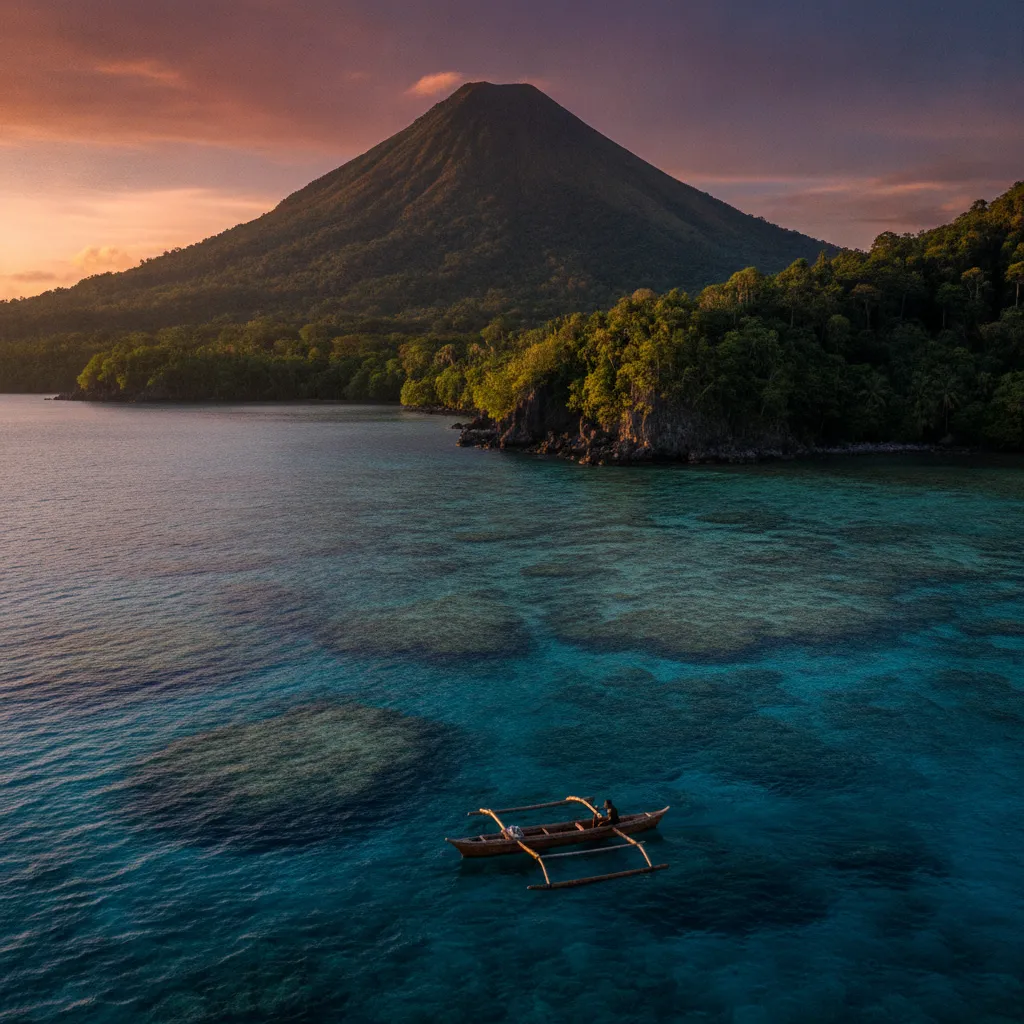
Papua New Guinea — the heart of the Coral Triangle: the sea mounts of Kimbe Bay, the muck diving of Milne Bay, Fathers Reefs and the Witu Islands, wartime wrecks. Dive resorts and liveaboards.
Why divers come here
- Kimbe Bay — sea mounts rising out of deep water and corals scientists describe as “the way things were forty years ago”
- Milne Bay — the birthplace of muck diving: black sand, frogfish, ghost pipefish and a manta cleaning station
- Fathers Reefs — remote volcanic reefs with arches, swim-throughs and silvertip sharks
- The Witu Islands — sea mounts and black sand bays on the same itinerary
- Wartime wrecks: the B-17 Black Jack on the sand in Milne Bay and the Japanese aircraft of Kavieng
- Rabaul — jetty diving for macro under the eye of the active Tavurvur volcano
What you'll meet underwater
 Hammerheads and silvertips on the offshore reefs
 Grey, whitetip and blacktip reef sharks
 Reef mantas and eagle rays
 Dolphins escort the boats; orcas and pilot whales pass occasionally
 Whale sharks
 Frogfish, ghost pipefish, mandarin fish, coconut octopus
 Schools of barracuda, trevally and tuna
 Hard and soft corals of the Coral Triangle — record species diversity
Photos: credits and licences
- Hammerheads and silvertips on the offshore reefs — Kris-Mikael Krister, CC BY 2.0, Wikimedia Commons
- Grey, whitetip and blacktip reef sharks — NOAA Photo Library, CC BY 2.0, Wikimedia Commons
- Reef mantas and eagle rays — Shiyam ElkCloner, CC BY-SA 3.0, Wikimedia Commons
- Dolphins escort the boats; orcas and pilot whales pass occasionally — NASA, Public domain, Wikimedia Commons
- Whale sharks — Abe Khao Lak, CC BY-SA 4.0, Wikimedia Commons
- Frogfish, ghost pipefish, mandarin fish, coconut octopus — Christian Gloor from Wakatobi Dive Resort, Indonesia, CC BY 2.0, Wikimedia Commons
- Schools of barracuda, trevally and tuna — Diego Delso, CC BY-SA 4.0, Wikimedia Commons
- Hard and soft corals of the Coral Triangle — record species diversity — Albert Kok at Dutch Wikipedia, Public domain, Wikimedia Commons
Practical information
- Best season
All year. The best weather in the Bismarck Sea runs from mid-September to November and from April to June
Milne Bay is scheduled in February and March.
From September to November the water is slightly cooler and the reefs hold more of the small stuff
- Water temperature
- 27–30 °C
- Visibility
- 15–40 m
- Wetsuit
3 mm year-round, a shorty is enough
5 mm for four dives a day
- Experience level
Open Water for the reefs and muck diving
Advanced and drift experience for the sea mounts, the Kavieng channels and the deeper wrecks
- Getting there
From Moscow the journey takes 24–32 hours: there are no direct flights, so you fly to Port Moresby (POM) via Singapore, Manila, Hong Kong, Sydney or Brisbane.
From there Air Niugini or PNG Air run domestic flights: Hoskins (HKN) for Kimbe Bay and Walindi, Alotau (GUR) for Milne Bay, Rabaul (RAB) and Kavieng (KVG) for the eastern routes.
Check the embarkation port against your own itinerary — it differs from trip to trip.
- Airports
Port Moresby (POM) — international, Hoskins, listed as Kimbe (HKN), Tokua, Rabaul (RAB), Gurney, Alotau (GUR), Kavieng (KVG)
- Visa
A visa is required. A tourist visa is applied for online before departure or at a consulate
the rules for Russian citizens change, so check the current requirements before booking flights.
Transit is almost always through Australia or Singapore — an Australian transit visa is a separate matter.
- Climate
Equatorial, air 24–31 °C year-round, humid always, heaviest rain December to March
- Currency
Kina (PGK); resorts and boats take US dollars and cards
- Language
Tok Pisin, English, Hiri Motu
more than eight hundred living languages
- Time zone
- UTC+10


Yachts & liveaboards — Papua New Guinea
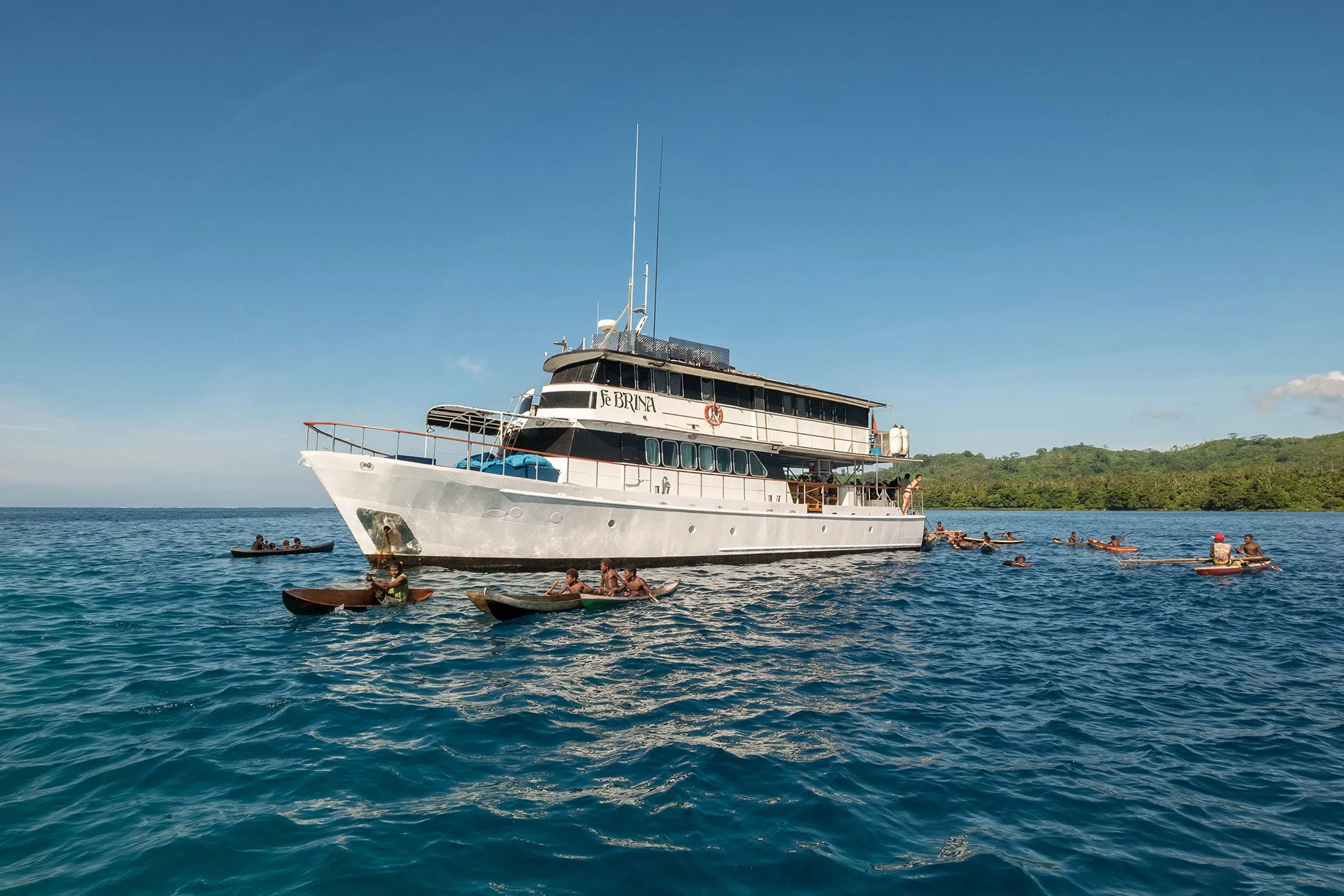
Febrina
Liveaboard · Papua New Guinea
22 m · 10 guests · 7 cabins
from 3810 USD
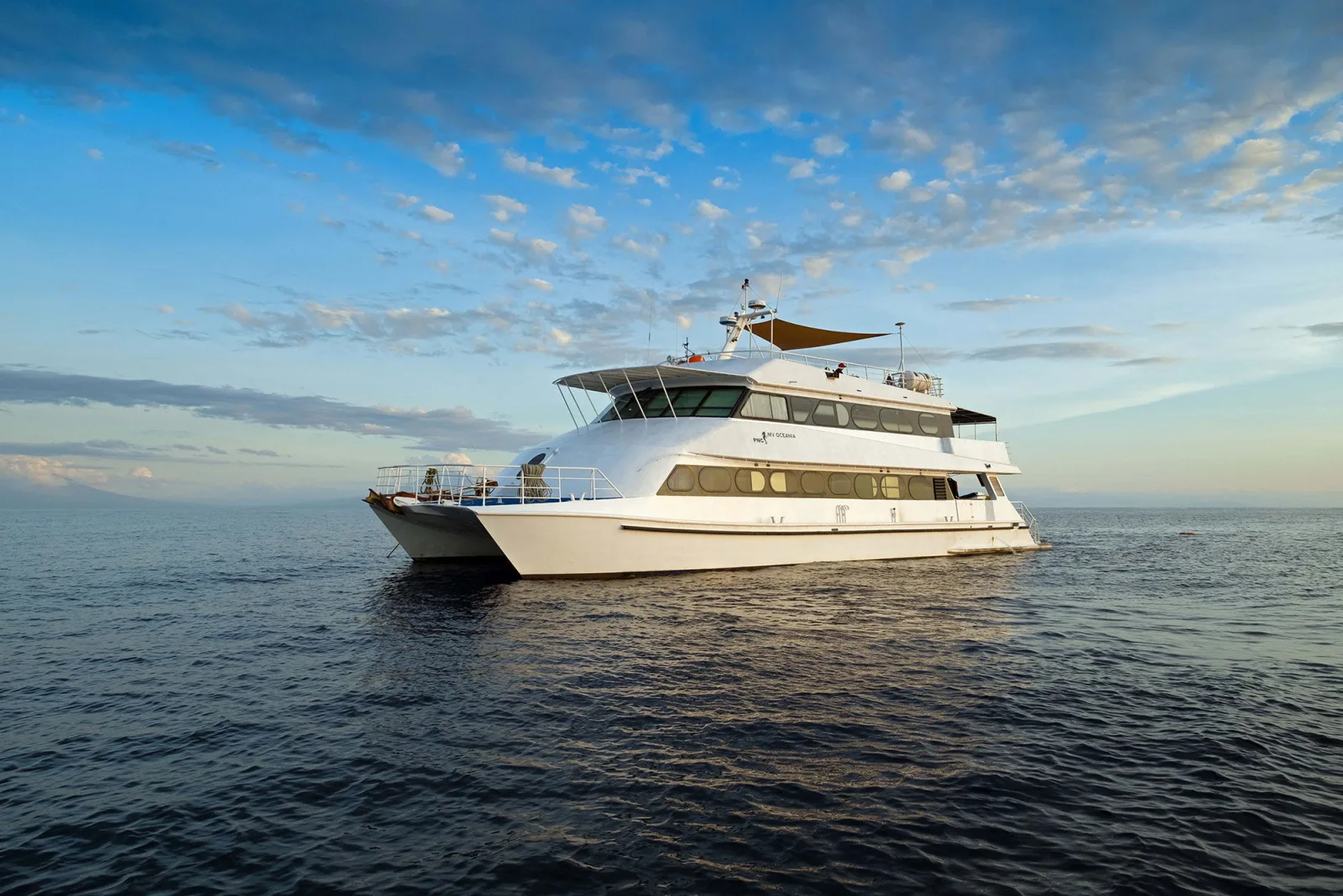
Oceania
Liveaboard · Papua New Guinea
27 m · 16 guests · 8 cabins
from 3367 EUR
Yachts for this destination are coming soon — get in touch and we'll find one for you.
Dive resorts — Papua New Guinea
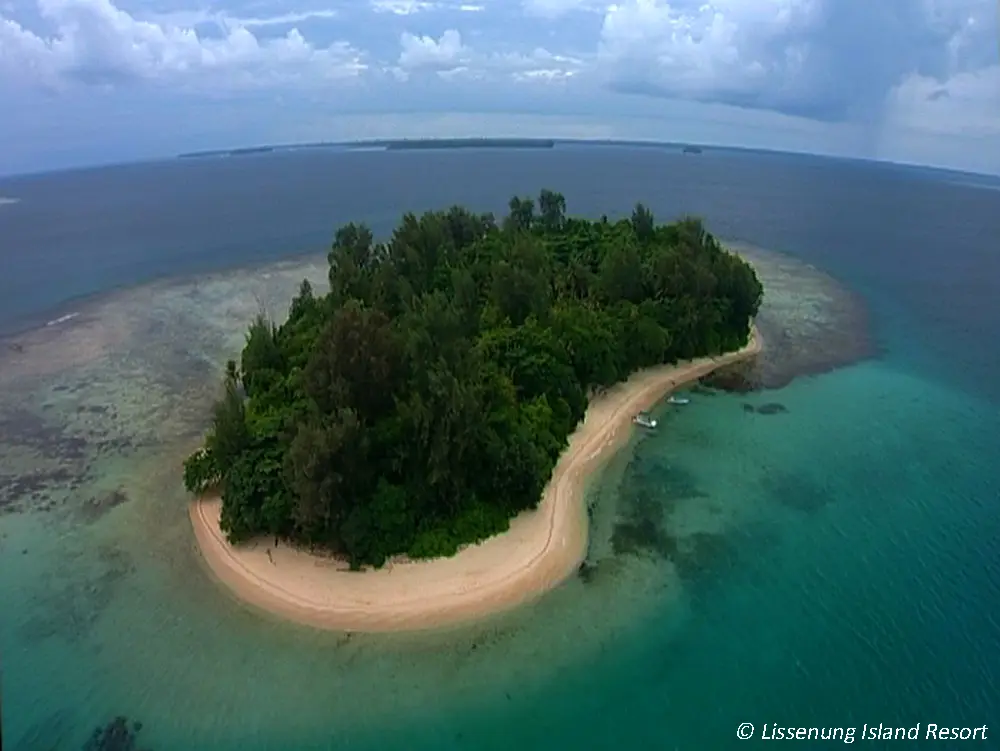
Lissenung Island Resort
Dive resort · Papua New Guinea
Kavieng, New Ireland
from 700 PGK per person per night, double occupancy in a Budget room, all meals included
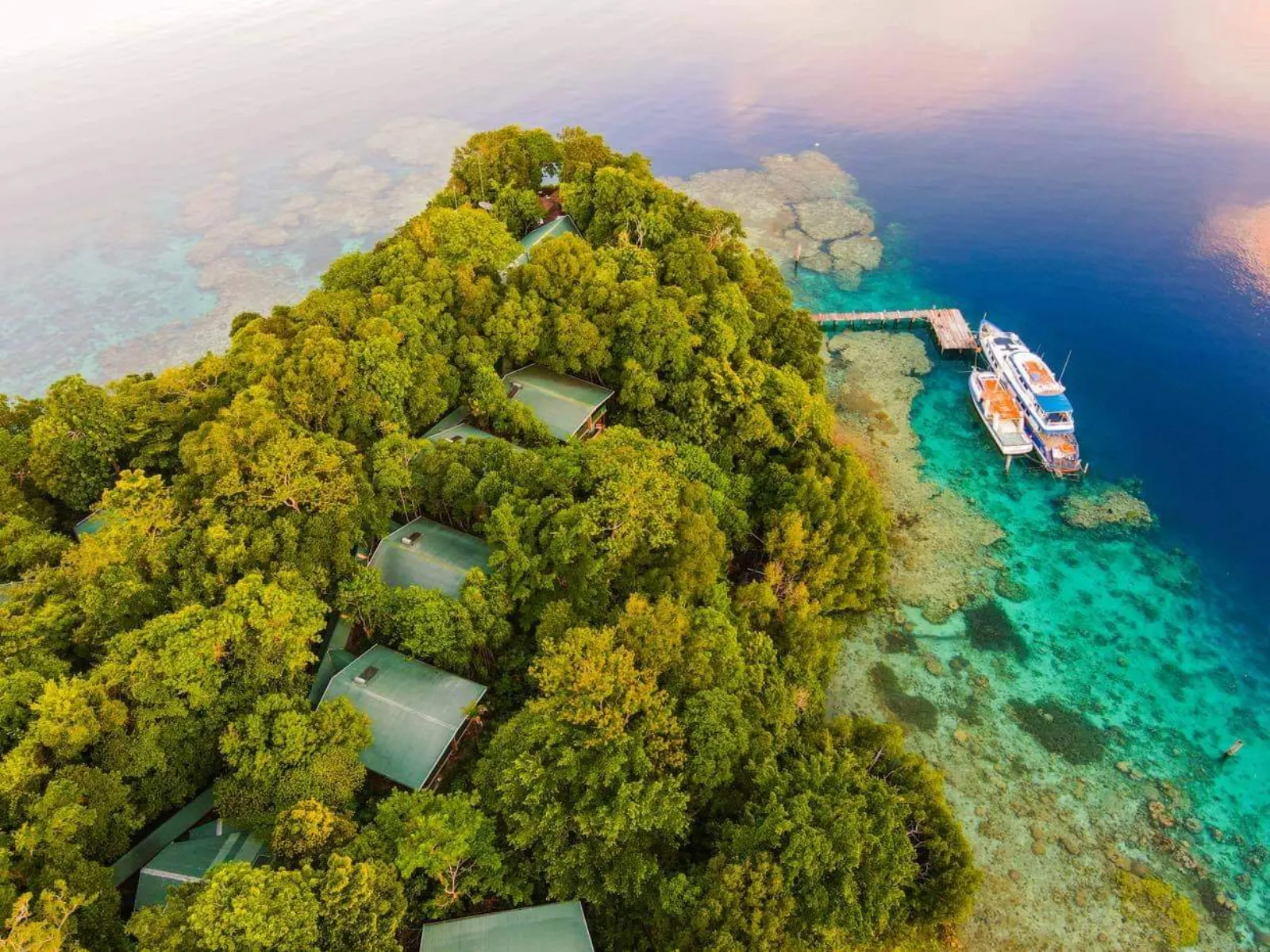
Tawali Leisure & Dive Resort
Dive resort · Papua New Guinea
Milne Bay
from 2900 USD per person for 7 nights with 15 dives
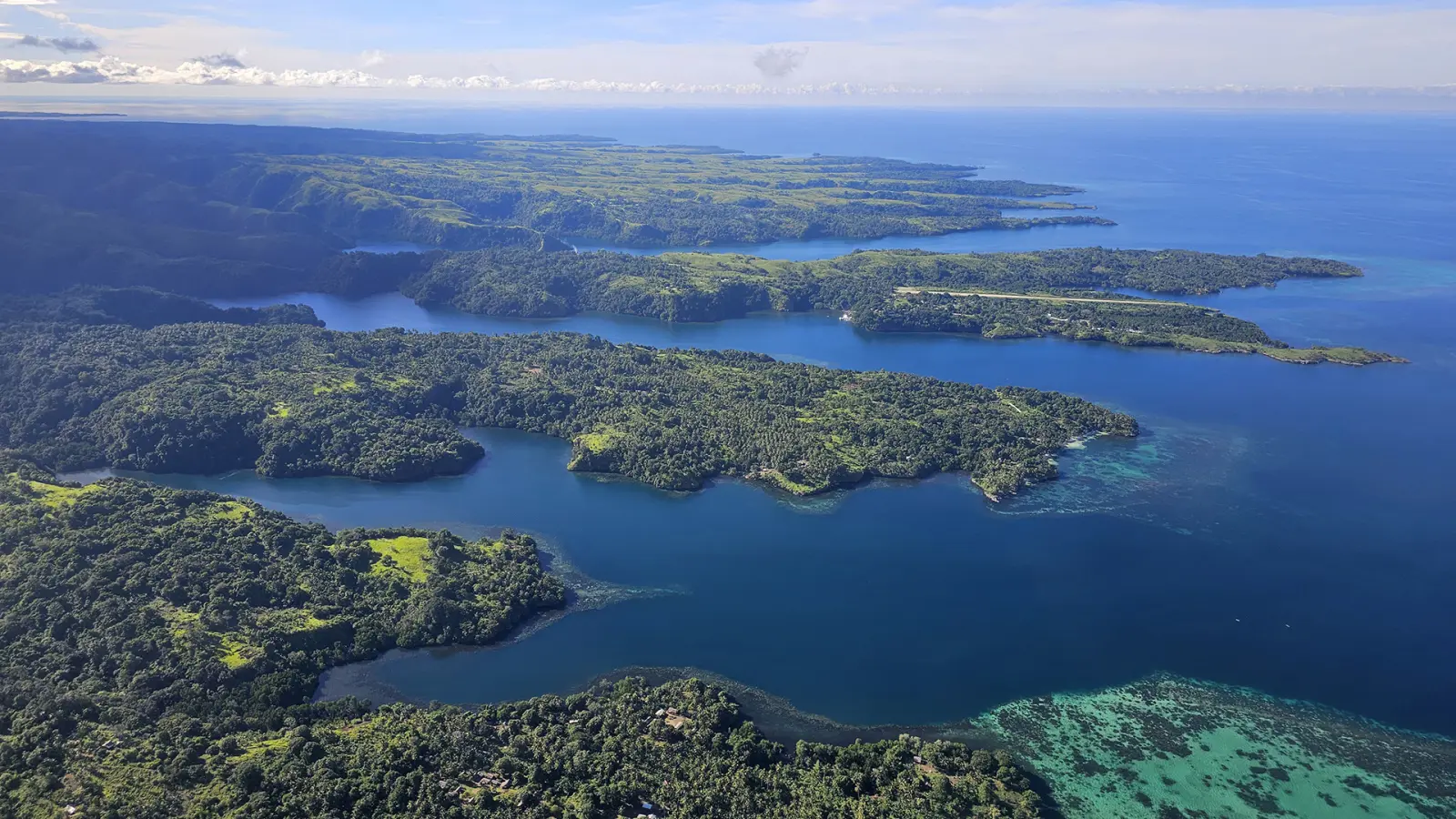
Tufi Resort
Dive resort · Papua New Guinea
Cape Nelson, Oro Province
from 175 USD per person per night, double occupancy in a Standard Room, meals included
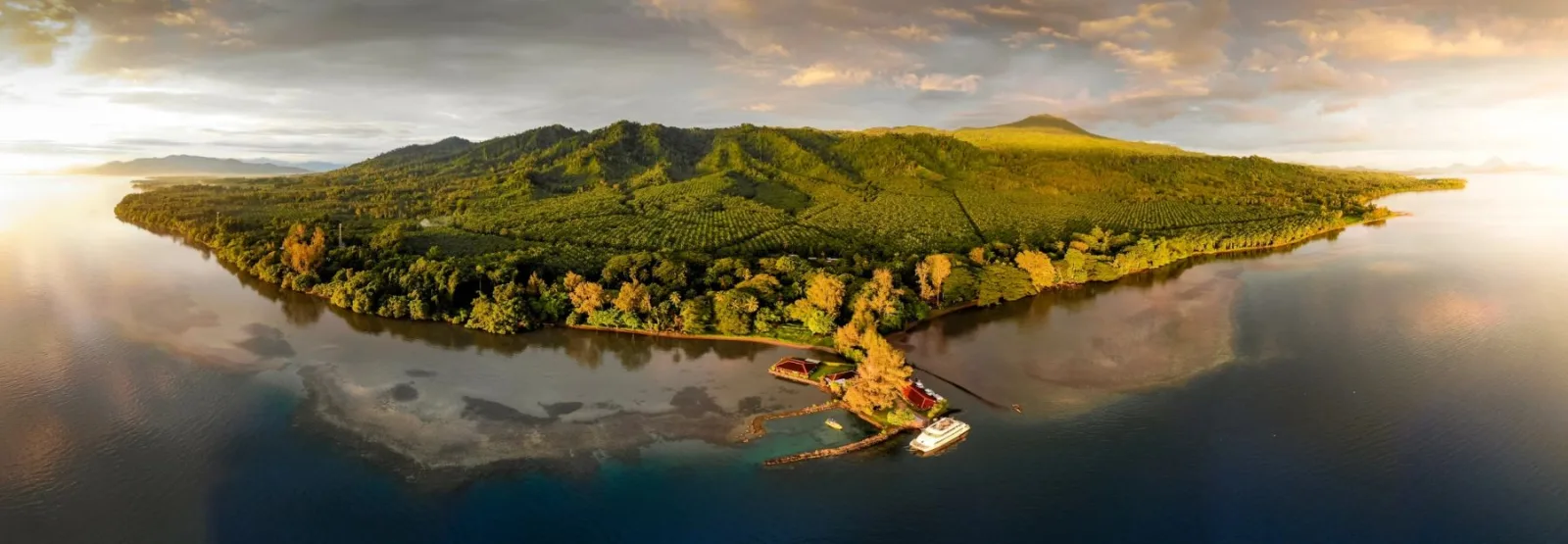
Walindi Plantation Resort
Dive resort · Papua New Guinea
Kimbe Bay, New Britain
from 175 USD per person per night, two sharing, all meals included
Other destinations
Haven't found the right yacht?
Get in touch — we'll find the best option for your dates and budget