Best of Palau
 1 / 1
1 / 1
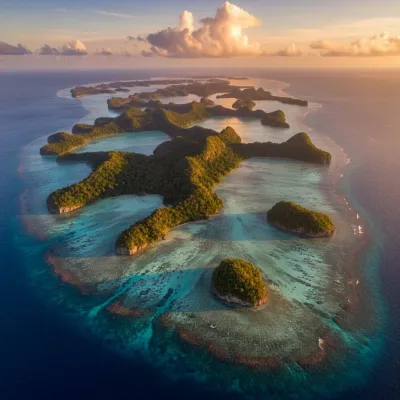
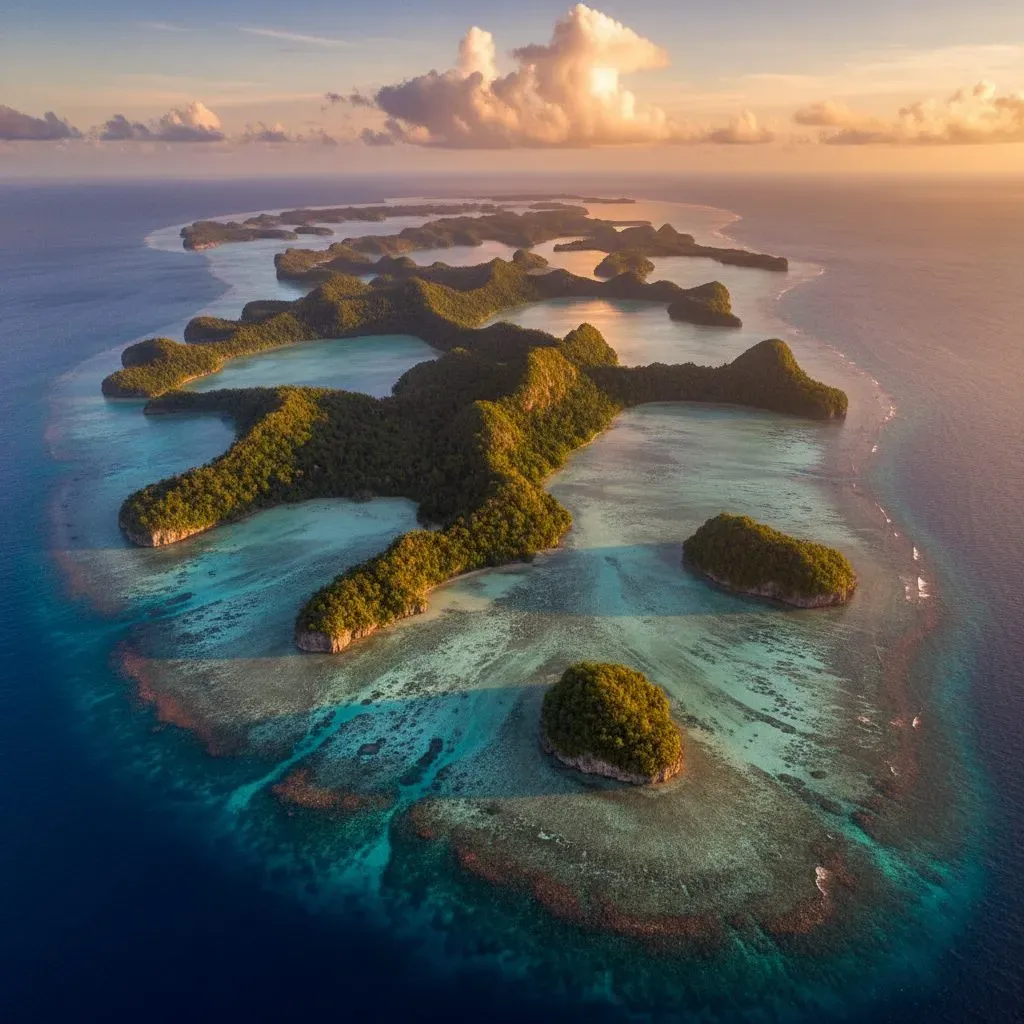
“Best of Palau” is the main diving route through the Palau archipelago, one of the 7 underwater wonders of the world. The route passes around the Rock Islands and includes legendary dive sites: Blue Corner, Big Drop-Off, German Channel, Jellyfish Lake.
Palau boasts over 1,500 fish species and around 700 coral species. Encounters with grey reef sharks, mantas, turtles, and massive schools of barracuda are virtually guaranteed. The unique Jellyfish Lake — a lake with millions of stingless golden jellyfish — is one of the few such places on the planet.
The route starts and ends in Koror. The standard program is 7 nights with 4–5 dives per day, including night dives. The extended program (10 nights) adds days at the remote island of Peleliu with its walls, channels, and World War II relics. Special spawning trips are timed to the new or full moon, when mass spawning of bumphead parrotfish and snappers occurs on the reefs.
Currents in Palau are strong and variable — Advanced Open Water level is recommended. Divers use reef hooks to anchor in the current at Blue Corner. Water temperature is 25–30°C year-round, visibility 20–40 meters. The dry season (October–June) is the best time, with less rainfall and better visibility.
World War II wrecks (Iro Maru, Chuyo Maru, Jake Seaplane) and Chandelier Cave with its stalactites add variety to the reef diving.
What You'll See
Conditions
Season
Year-round (best time: October–June)
Visibility
20–40 meters
Water Temperature
25–30°C
Level
Advanced Open Water
Duration
7–10 nights
Min. Dives
30
Dive Sites
Big Drop-Off
An impressive sheer wall off Ngemelis Island, dropping from the surface to over 200 meters deep. The wall is covered in soft corals of every color — red, yellow, and orange gorgonians. In the shallows, dense schools of anthias and glassfish swirl around the reef.
Depth: 1–200 m
Blue Corner
Considered one of the best dive sites in the world. An underwater plateau on the western shore of Ngemelis Island where ocean currents converge. Dozens of grey reef sharks patrol the wall, and mantas visit the cleaning station. Divers use reef hooks to hover in the current and watch the parade of pelagic fish.
Depth: 5–40 m
⚠ Highly variable currents — conditions can change in seconds
⚠ Reef hook recommended
Blue Holes
Four vertical openings in the reef platform leading into a vast underwater cave. Sunlight streaming through the holes creates dramatic lighting effects. Inside the cave — soft corals, sponges, and sleeping nurse sharks.
Depth: 3–40 m
Chandelier Cave
A system of five interconnected caves with stalactites and stalagmites formed thousands of years ago. Each cave has air domes where divers can surface. Crystal-clear water and shimmering limestone formations create a surreal atmosphere.
Depth: 3–15 m
⚠ Not recommended for those with claustrophobia
⚠ Touching the formations is prohibited
German Channel
An artificial channel dug by the Germans in the early 20th century to transport phosphates. Today it is one of the world's best manta ray cleaning stations. Mantas visit regularly, especially during high tide. Eagle rays and reef sharks glide over the sandy bottom.
Depth: 5–30 m
Helmet Wreck
A Japanese cargo ship sunk during World War II, named after the Japanese military helmets scattered around it. The hull is covered in corals and sponges, with schools of fish inside. An excellent dive for a first introduction to wreck diving.
Depth: 15–35 m
Iro Maru
A 143-meter Japanese oil tanker sunk in 1944 during Operation Desecrate. It rests at a depth of 25-40 meters. The hull is covered in soft corals and sponges, with schools of glassfish inside. One of the best wrecks in Palau.
Depth: 15–40 m
Jake Seaplane
A Japanese Aichi E13A "Jake" seaplane sunk during World War II. It rests in shallow water (12-15 m) in an upright position on a sandy bottom, nearly intact. One of the most photogenic wrecks in Palau, ideal for beginners.
Depth: 10–15 m
Jellyfish Lake
A unique marine lake on Eil Malk Island, home to millions of golden Mastigias jellyfish that have lost their ability to sting. The jellyfish migrate across the lake daily, following the sun. Snorkeling only — scuba diving is prohibited due to a toxic hydrogen sulfide layer at depth.
Depth: 0–15 m
⚠ Scuba diving is prohibited — toxic hydrogen sulfide layer at depth
⚠ A separate permit is required (Jellyfish Lake permit)
Ngedebus Coral Gardens
Expansive coral gardens in the shallows off Ngedebus Island. An ideal spot for macro photography and beginner divers. Home to mandarin fish, nudibranchs, harlequin shrimp, and many other small creatures among healthy table and branching corals.
Depth: 3–15 m
Peleliu Corner
An underwater reef corner off Peleliu Island where currents converge from two sides. A magnet for large fish — grey reef sharks, hammerhead sharks, and schools of jack fish. Stunning soft corals adorn the walls.
Depth: 10–40 m
Peleliu Wall
A sheer wall off the southern island of Peleliu with strong currents that attract large pelagic fish. Here you can encounter hammerhead sharks, large barracudas, and huge schools of jack fish. Variable currents make this one of the most thrilling and challenging dive sites in Palau.
Depth: 10–60 m
⚠ Strong and variable currents
⚠ For experienced divers only (50+ dives)
Siaes Tunnel
A deep tunnel through the reef wall, starting at 5 meters and exiting onto the outer wall at 40-43 meters depth. Inside the tunnel — vibrant soft corals and gorgonians. The exit from the tunnel onto the sheer wall facing the open ocean is one of the most breathtaking moments in Palau diving.
Depth: 5–43 m
⚠ Deep dive — Advanced certification with deep diving experience required
⚠ Strong currents possible at the tunnel exit
Ulong Channel
Exhilarating drift diving through a narrow channel between islands. A strong current carries divers over gardens of soft corals and sea fans. Along the sides of the channel — grey reef sharks and huge schools of jack fish. Considered one of the best drift dives in Palau.
Depth: 5–25 m
Wonder Channel
A wide channel with a sandy bottom and coral bommies on the sides. Regular encounters with manta rays that come for cleaning. A less crowded alternative to German Channel — you can often observe mantas in complete solitude.
Depth: 5–20 m
Useful Information
Best Season
October–June (dry season, minimal rainfall, best visibility)
Visa
Visa-free entry for up to 30 days for Russian citizens
How to Get There
Flights via Seoul (Incheon), Manila, or Taipei. No direct flights from Russia. Travel time from Moscow is 15–20 hours with a layover.
Climate
Equatorial, average air temperature 27°C year-round, rainfall 3500 mm/year
Currency
US Dollar (USD)
Time Zone
UTC+9