Before the COVID-19 pandemic swept across the world, most people never gave much thought to travelling to a place like Tanzania. Yet it has no shortage of surprises. Consider this: when we hear that the human race originated in Africa, it is Tanzania that is being referred to. The first trace of Homo Sapiens was found right here on its soil — a fact commemorated by a monument standing alone in the middle of an empty savanna. But that is a story for another time.
Truth be told, we have been bringing groups to Tanzania at least once a year for the past seven or eight years. But the 2020 journey was the most extraordinary of them all!
PACKING AND THE FLIGHTAt the outset our group was bursting at the seams with participants. At that point Tanzania was one of the few countries still allowing entry. But the news and the internet kept stoking fear with grim infection statistics, and the ranks of the brave thinned considerably. Out of 17 people, only 6 decided to fly. Plus the trip leader — that is, me.
So off we went: convenient dates in November 2020, a direct charter flight from Moscow to Zanzibar. Let's go!
The plane was brand new, but that, it must be said, was where its advantages ended. The legroom was minimal. I had a cunning plan: at boarding I paid for aisle seats for myself and anyone who wanted one. The plan, however, did not work out. The seats were in the middle of the cabin, and the other passengers spent the entire overnight flight sprinting back and forth like athletes in a steeplechase, hurdling over our outstretched legs. Just as you managed to doze off, a neighbour would launch another assault through the forest of legs. I suspect many will recognise this experience. We made it safely and touched down — at the very same moment a massive Boeing from Ukraine was also coming in to land. Zanzibar Airport was not prepared for this.
Everyone poured out onto the tarmac in a cheerful avalanche, ready to meet the sun — but then... oops. The airport is small and there were a lot of us. Unfortunately, the sheer number of people meant we spent two hours of our journey battling through passport control. But once we reached the hotel, took a swim and strolled along the shore, the flight and the airport were quickly forgotten.
ZANZIBARYou will find all sorts of opinions about this place online — glowing and otherwise. In reality, the island is extraordinarily varied, fascinating and beautiful.
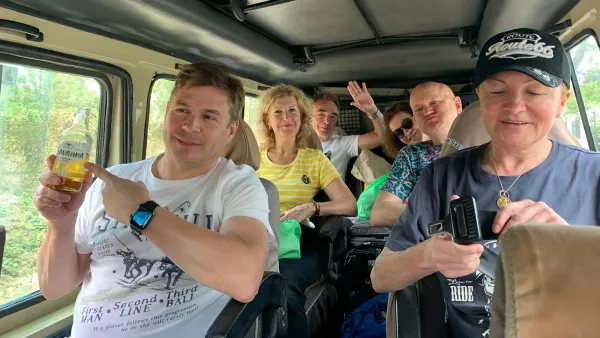
We spent the first three days and two nights in the historic city of Stone Town, just two blocks from the apartment where Freddie Mercury was born. Our magnificent colonial-era hotel offered a panoramic view of the ocean. Sitting on the balcony with a cup of coffee or tea, it was easy to lose all track of time watching sailing dhows drift past.
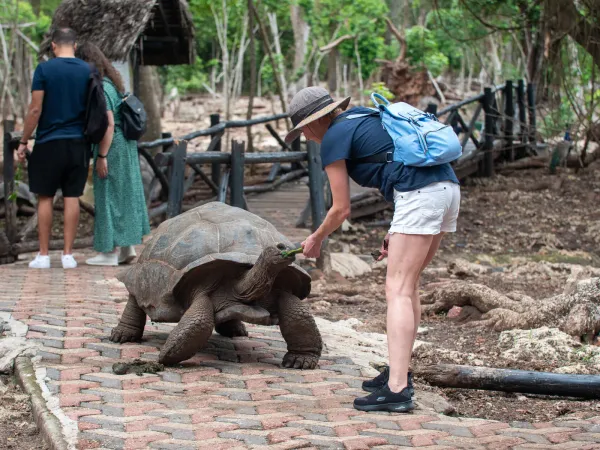
The following morning we immersed ourselves in the local sights and everything this part of Zanzibar has to offer. Ahead of the main tourist crowds, we landed on a small island to feed giant tortoises and explore the ruins of an old prison-turned-hospital.
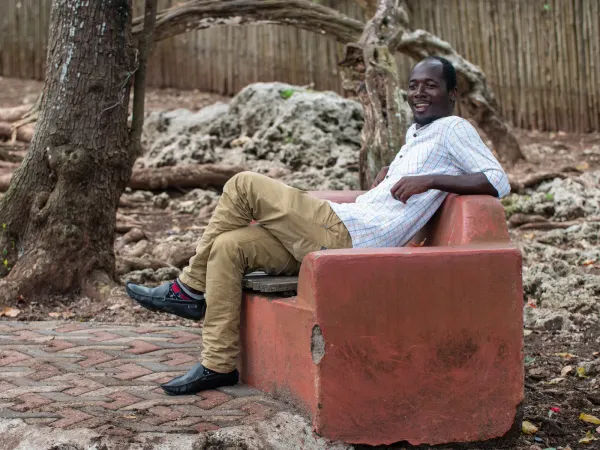
Our guide, despite his very dark complexion, spoke excellent Russian and could boast an impressive knowledge of the country's history and traditions.
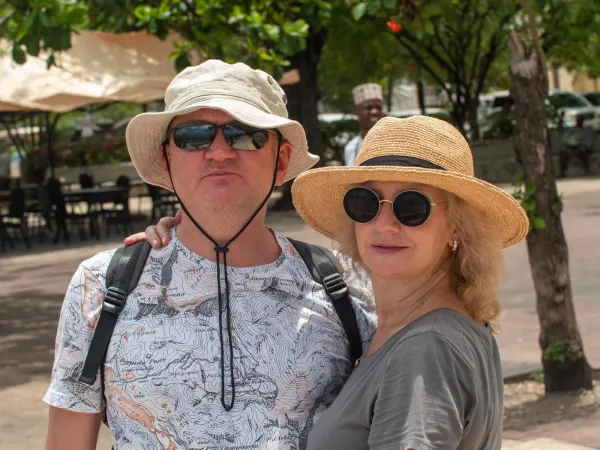
For lunch we stopped at a traditional bistro-style restaurant. As foreign guests we were treated with great warmth and promptly seated at a cosy table on the upper terrace — a spot from which you could see everyone, but no one could see you.
In the afternoon we headed off to a mangrove park to observe primates and lemurs in their natural habitat.
In the evening, after a brief rest, we fell headlong into a gastronomic whirlpool. Not far from our hotel there was one particularly remarkable restaurant — grab a pen and write down the name: "6 Degrees". The menu is almost as thick as the one at a Chinese restaurant, and it seems to have absolutely everything. We agreed to order different dishes so we could try as much as possible. These things rarely work out in practice, but everything we were served was simply extraordinary. The brain said stop, but the mouth kept eating.
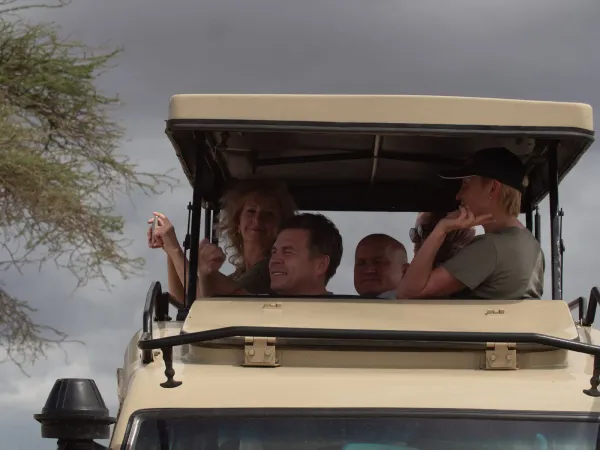
The next morning, leaving our bulky bags of diving gear in storage, our little crew set course for the mainland to see wildlife in its natural setting — a classic African safari.
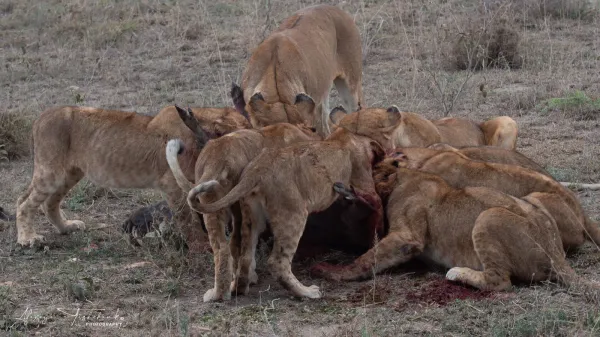
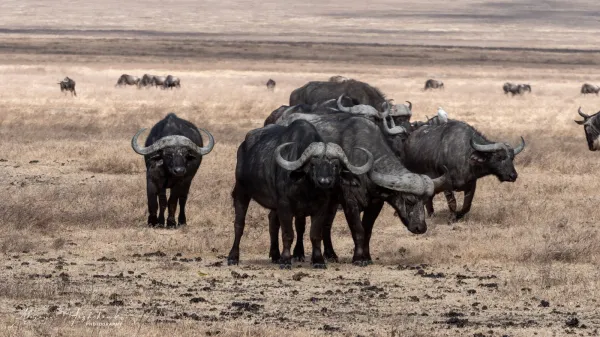
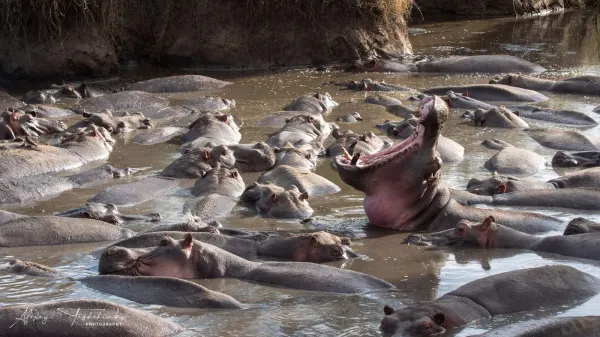
SAFARI IN TANZANIATanzania has several distinct seasons for wildlife watching: the great migration, the birthing season, the crossing of the Mara and Grumeti rivers, and so on. November is wonderful because, even without the mass migration of wildebeest and zebras, every park is teeming with animals.
Our route was a classic one: Lake Manyara — Tarangire — Ngorongoro — Serengeti. But as I mentioned earlier, this year everything was different from usual.
First, there were very few other vehicles on the roads, which meant we could lose ourselves in the savanna and go almost the entire day without crossing paths with anyone else.
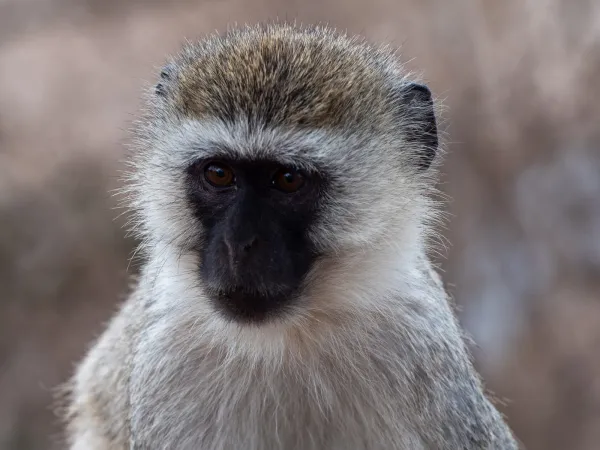
Second, nearly 90% of the other travellers we did encounter spoke Russian.
We took great care in selecting our hotels so that each evening brought comfort, a panoramic view and the chance for close encounters with wildlife.
We wrapped up our drive through the parks in the Serengeti and flew back to the Zanzibar coast on a small plane. This time we checked into a French diving lodge.
DIVING IN ZANZIBAREvery diving guide will tell you that if you are going to dive in Zanzibar, you simply must go to the waters around Mnemba Island.
But an equally important factor for a great diving holiday in Zanzibar is choosing where to stay and who to dive with. Even at the planning stage, we gave this question very careful thought.
Diving in Tanzania simply cannot be compared to diving in the Maldives, for example — even though both are in the Indian Ocean. Because of the large tidal ranges in Tanzania, you can typically manage no more than two dives per day. In practice this leaves you with a great deal of free time, and where and how you spend it matters enormously.
Another difference from the Maldives: among larger animals, you will really only encounter dolphins here. But they are always around, and every day brings the opportunity to snorkel with them.
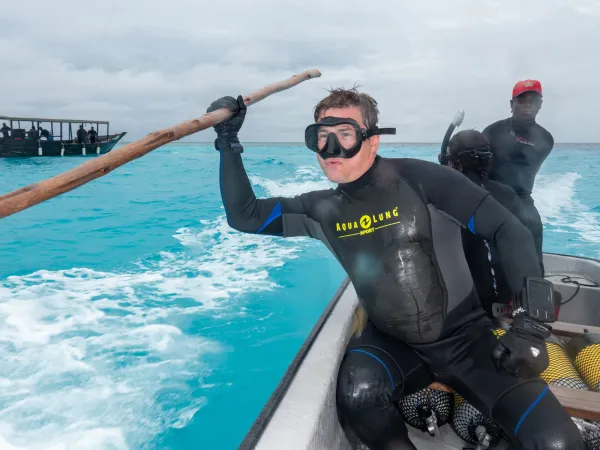
The water is crystal clear and warm. The dive centre's boat is built in the traditional style, but it is large, comfortable and designed specifically for diving — not fishing, as is the case with most dive centres.
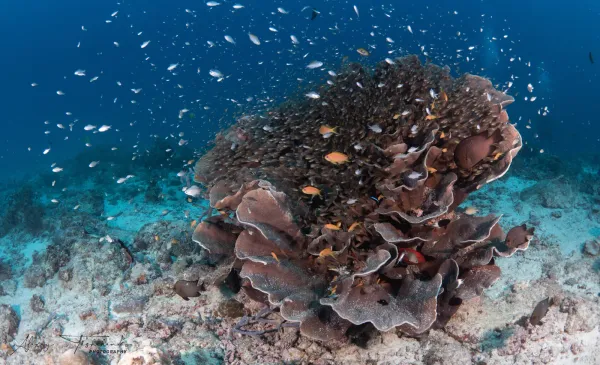
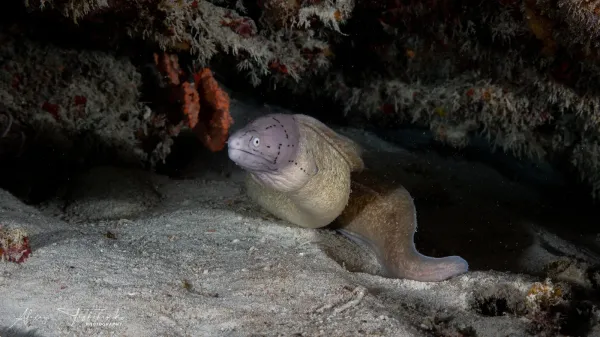
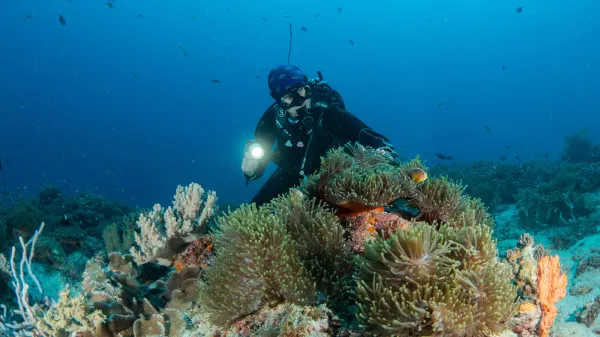
The reefs are modest in size but healthy and bursting with life. The macro world underwater is incredibly rich — easily on a par with Indonesia — though unfortunately I did not bring my macro lens.
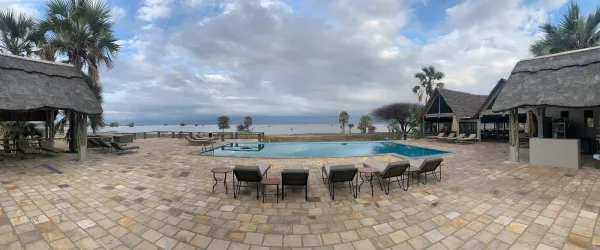
At the beach hotel we had a wonderful near-Olympic-sized 20-metre pool and an excellent restaurant with a balanced, delicious and wholesome menu. There was also a spa offering massage and therapy. Best of all, the hotel was tucked away in a quiet spot, set apart from the busier areas. This created the impression that there was nothing in the world but our bungalow and the ocean, with a stunning view of the tiny private island of Mnemba.
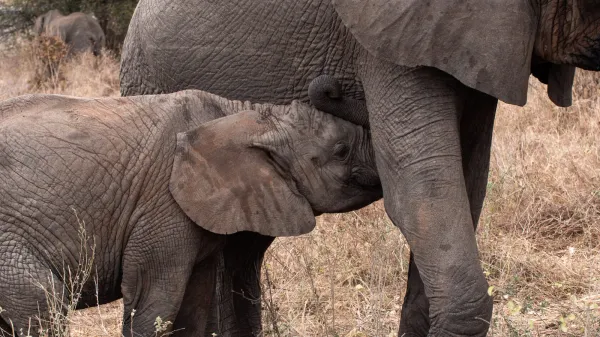
Fascinating excursions, an unforgettable safari, excellent diving and carefully chosen hotels together paint a perfect picture of rest and relaxation — one that makes you want to come back again and again.