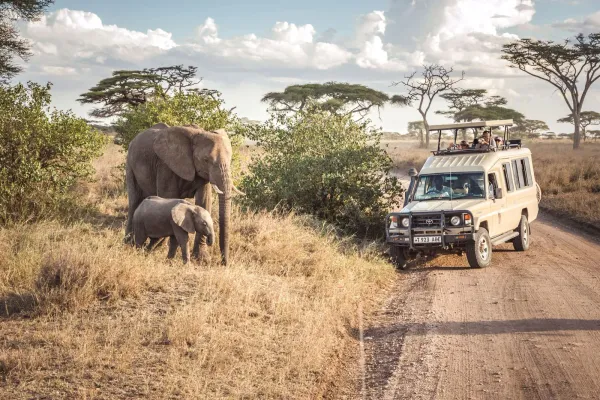
What to Bring on a Jeep Safari
Modern safaris in Africa are far from the rugged and dangerous adventure they once were. That said, proper preparation will ensure you get the most comfort and enjoyment out of your journey.
Clothing should be made from light natural fabrics (cotton, linen) in neutral tones — beige, sand, olive. Bright colors are best avoided — they can attract insects and startle wildlife. Camouflage patterns are prohibited in some African countries, where they are reserved for military use only.
Be sure to pack high-SPF sunscreen (SPF 50+), a wide-brimmed hat, quality sunglasses, and insect repellent. Binoculars are one of the most useful items on a safari — they let you observe animals in detail even from a great distance.
A camera with a good zoom lens (at least 200mm, ideally 100–400mm) is your primary tool for capturing memories. Don't forget spare memory cards and batteries — on a safari you'll shoot far more than you normally would.
What Not to Bring to Kenya and Tanzania
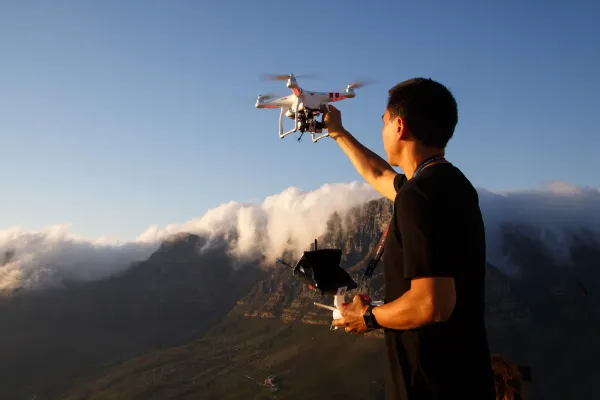
Drones are prohibited in most national parks. Camouflage clothing can cause problems with local police. Avoid overpacking — jeep safari vehicles have limited luggage space.
Safety Rules and Safari Etiquette
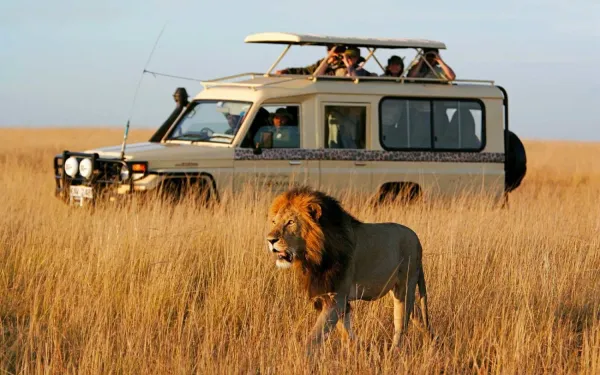
The golden rule — never leave the vehicle without your guide's permission. Even if everything seems safe around you. Wild animals are masters of camouflage, and a predator can be completely hidden in tall grass without you ever noticing.
Do not feed animals or try to attract their attention with shouts or gestures. Keep your distance — your guide knows the safe approach distance for each species.

Smoking / Drinking Water / Food
Smoking is strictly prohibited in national parks — the dry savannah grass ignites easily. Bring enough drinking water with you. Food on a safari is usually arranged by your host — you won't need to worry about snacks.
The Most "Dangerous" Animals
Contrary to popular belief, Africa's most dangerous animals are not lions and leopards — they are hippos, buffalo, and mosquitoes. Hippos kill more people in Africa than any other large animal.
Souvenirs — From the Trip and For the Trip
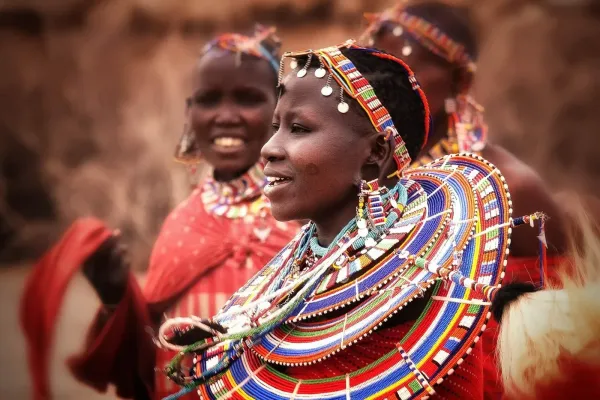
In Maasai villages you can find unique handmade jewelry — beads, bracelets, and wooden figurines. Bargain if you like, but keep in mind that for local residents this is their primary source of income.
Summary
Good preparation is the key to a comfortable and safe safari. Travel light, bring only the essentials, listen to your guide, and enjoy one of the most breathtaking expeditions of your life!