With the Philippines, it all begins before you even get in the water. And that, perhaps, is the first thing that makes this trip entirely different — unlike anything that came before it.
Usually the formula is simple: land, transfer, hotel, first dive the next morning. Your body is still on the plane, your head still stuck in work chats, and they're already suiting you up in neoprene and nudging you toward the water. Here it's different. We landed — and went straight into motion. Not "rest up", not "acclimatize", but into real, living adventure. The kind that makes you forget, within an hour, which time zone you even came from.
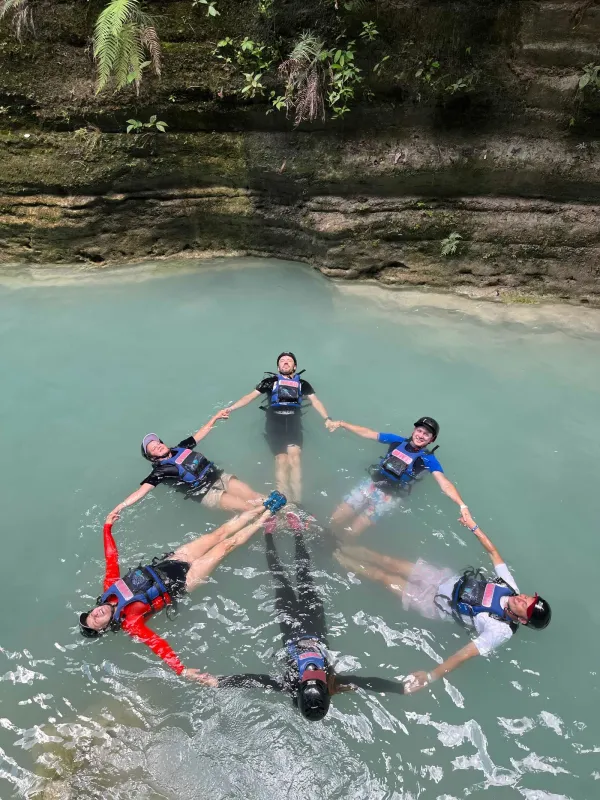
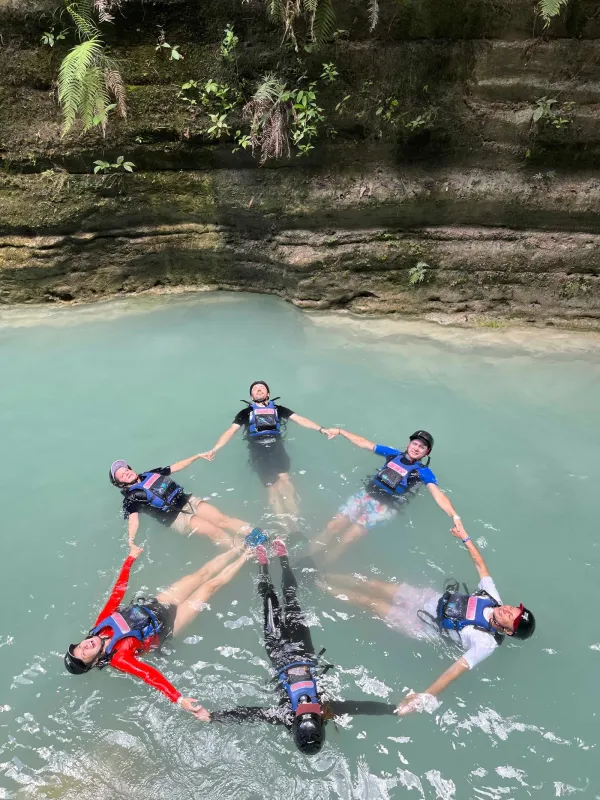
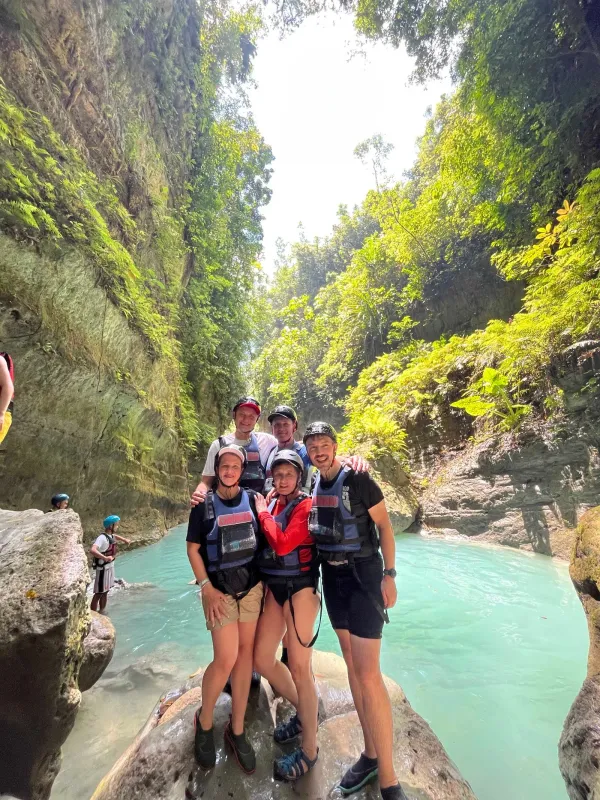
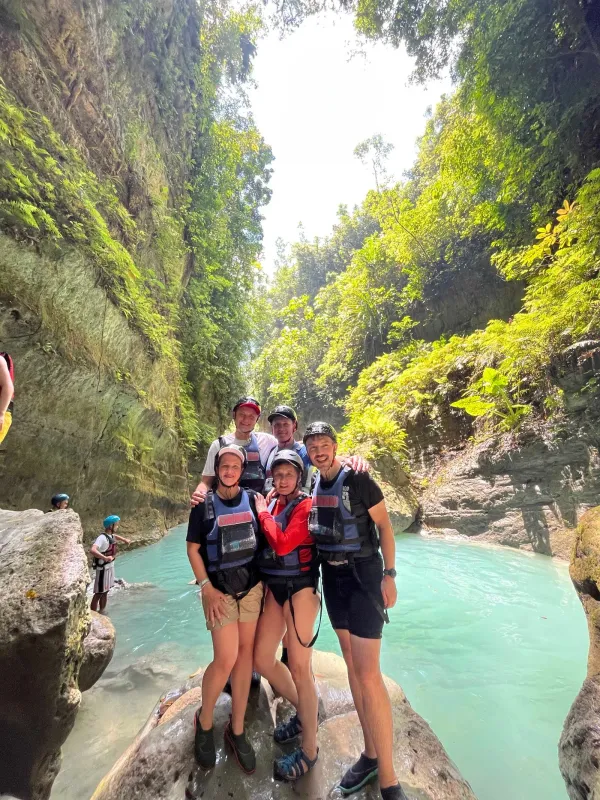
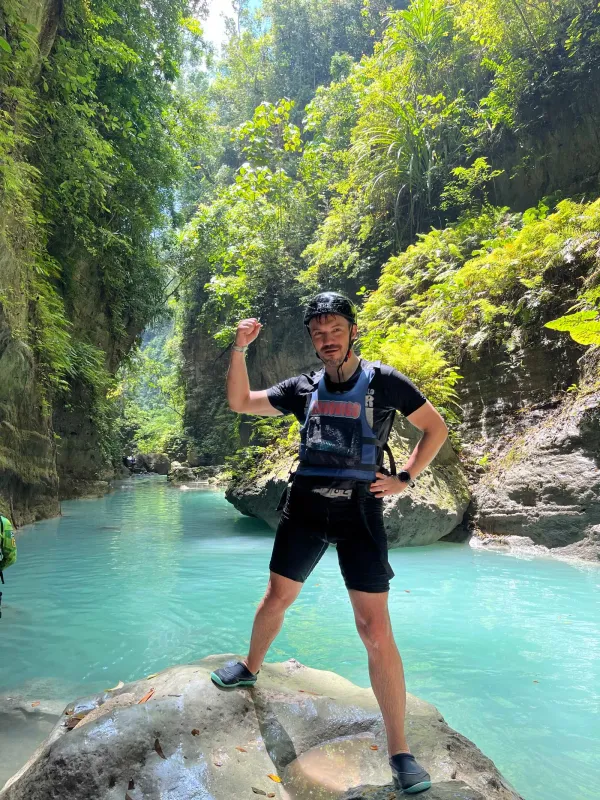
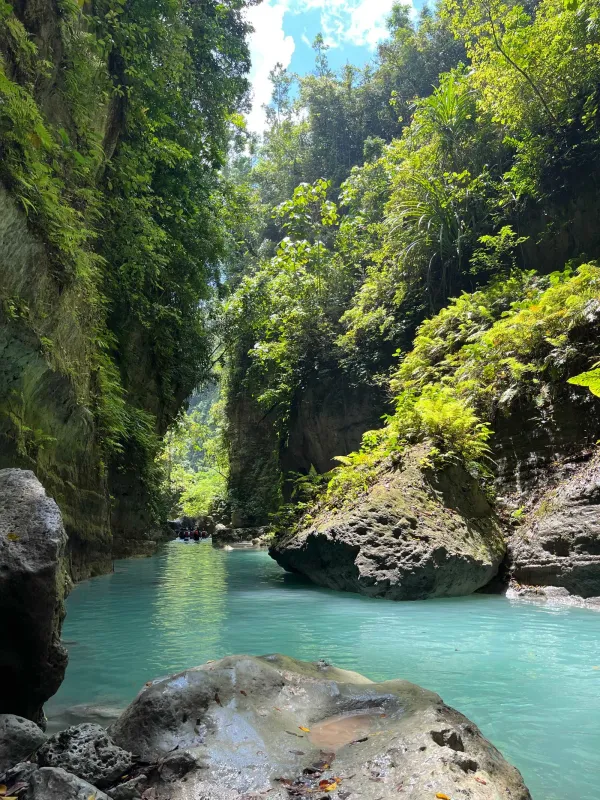
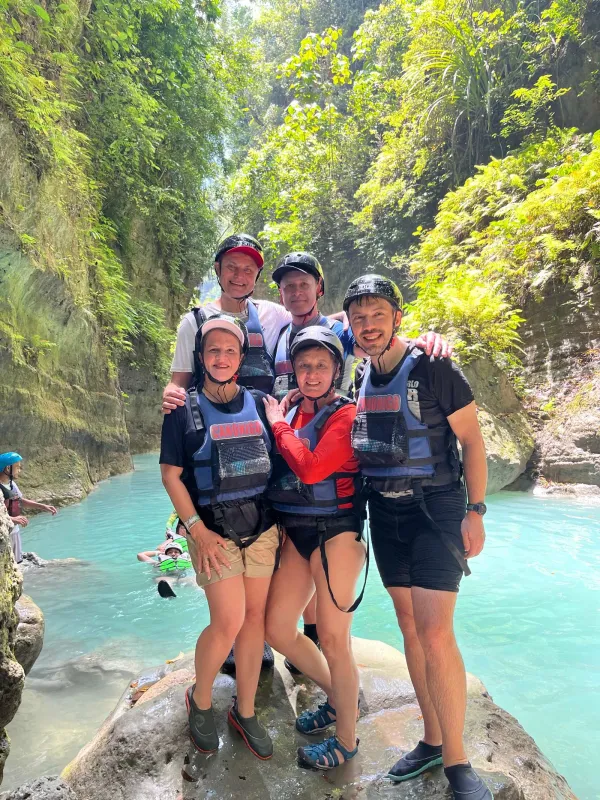
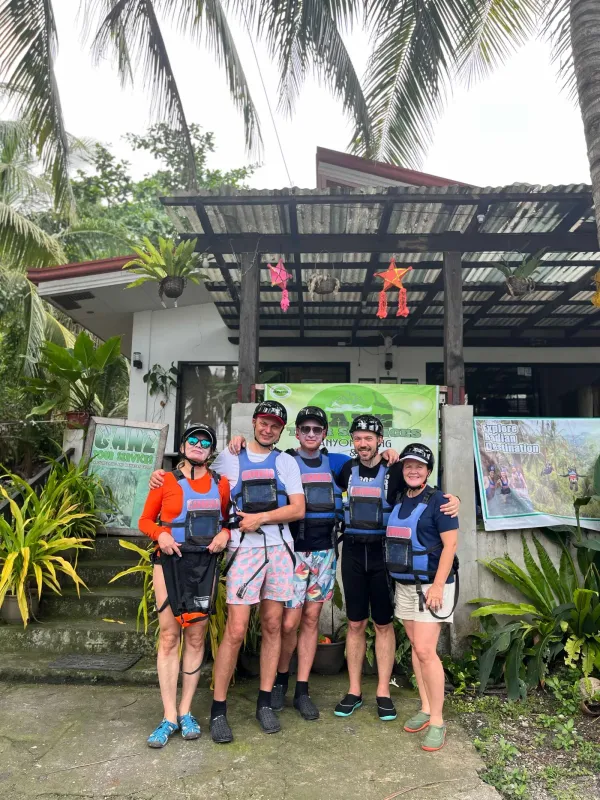
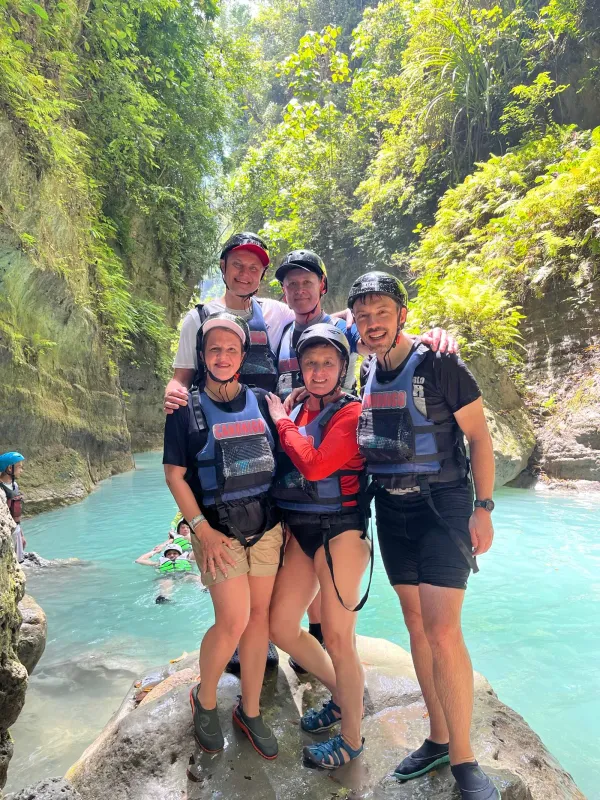
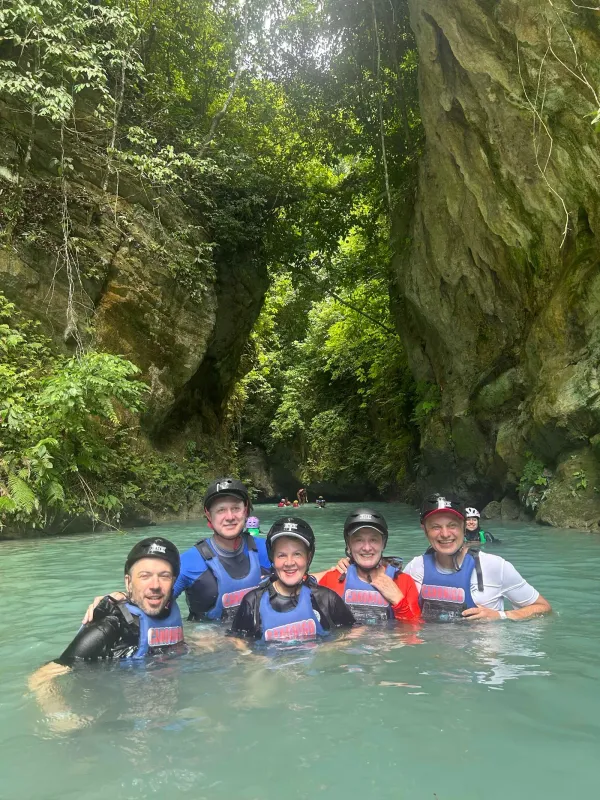
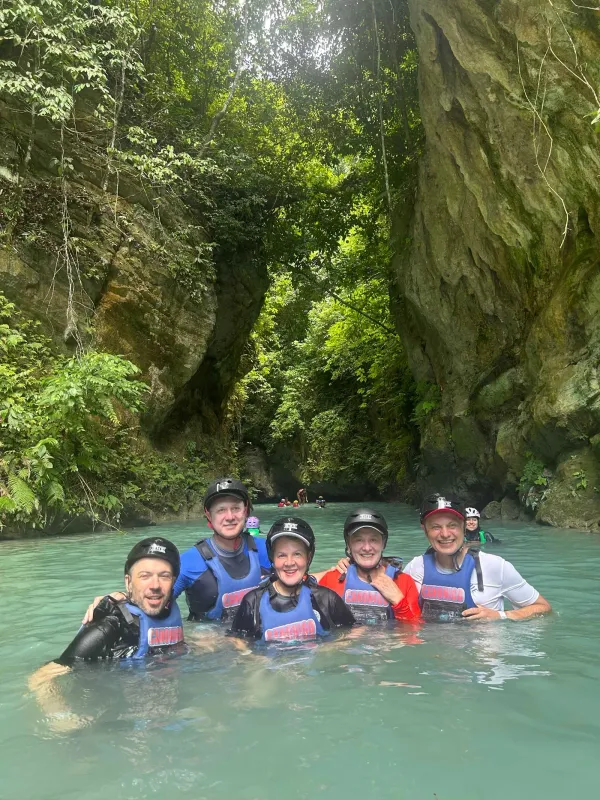
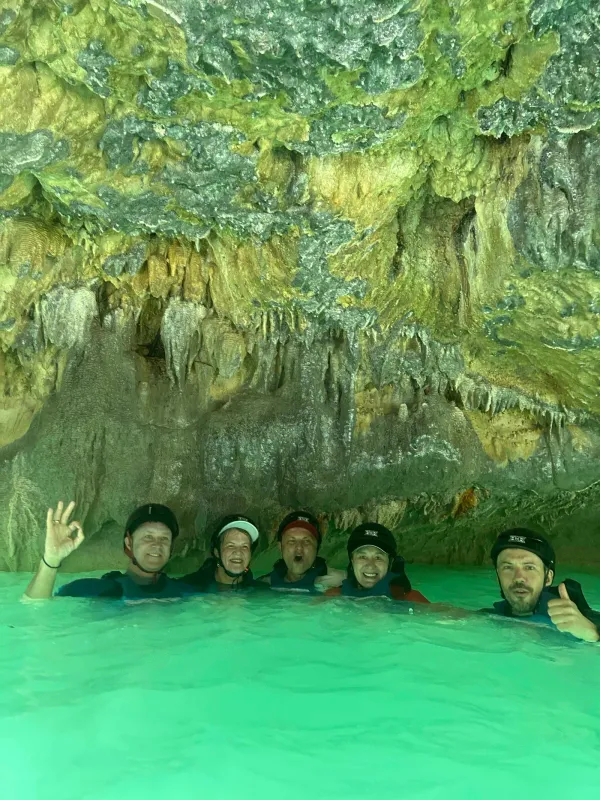
Canyoning. I'd heard the word many times, but until the Philippines I had no real sense of what it meant. Here's what it means: a mountain river that carries you through a gorge, and you don't walk along it — you jump, slide, plunge, and surface. The cliffs on either side rise so high that sunlight reaches the water only in narrow bands, and where it touches the surface, the water turns an impossible shade of emerald — so vivid you want to squint.
Waterfalls. Not the kind you stand below with your head tilted back. The kind you enter from the top. You stand at the edge, several metres of thundering white water below, the instructor nods, and you take a step. Not even a jump — just a step into nothing. And in that one second of freefall, you feel everything at once: exhilaration, fear, the cold spray on your face, and a absolute, ringing clarity in your head. You surface — and everything has shifted. As if the river rinsed out not just your lungs, but everything that had accumulated over months of city life.
Somewhere between waterfalls you stop. You just stand waist-deep in the current and watch the water do its work — quietly, unstoppably, as it has for thousands of years. The stones are polished to silk. The moss on the rocks is soft as velvet. And there is silence — that particular silence found only inside gorges, where the roar of the water becomes so constant that it stops being noise and turns into stillness.
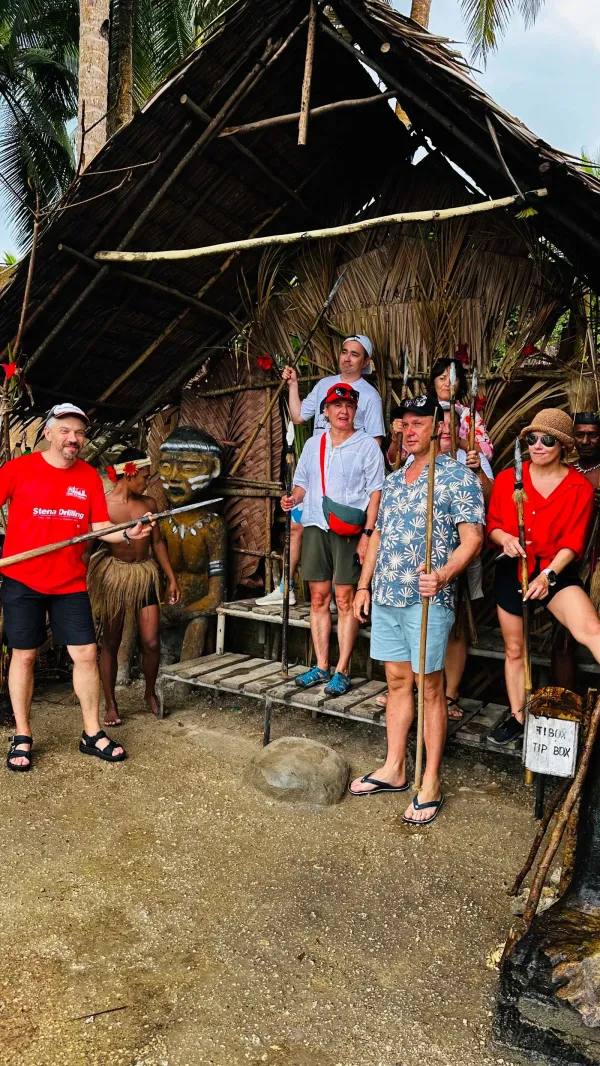
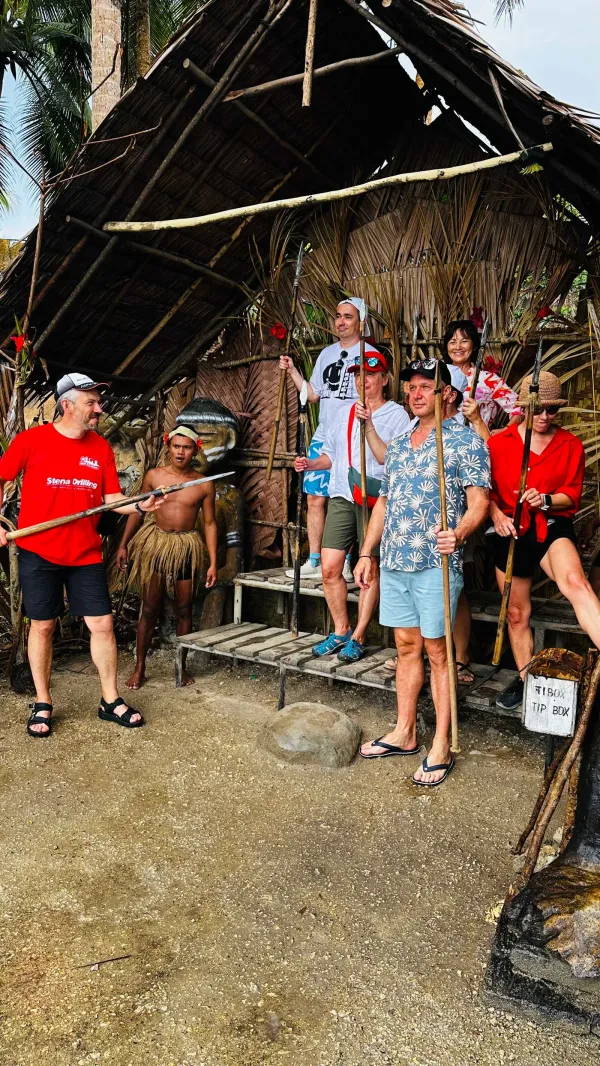
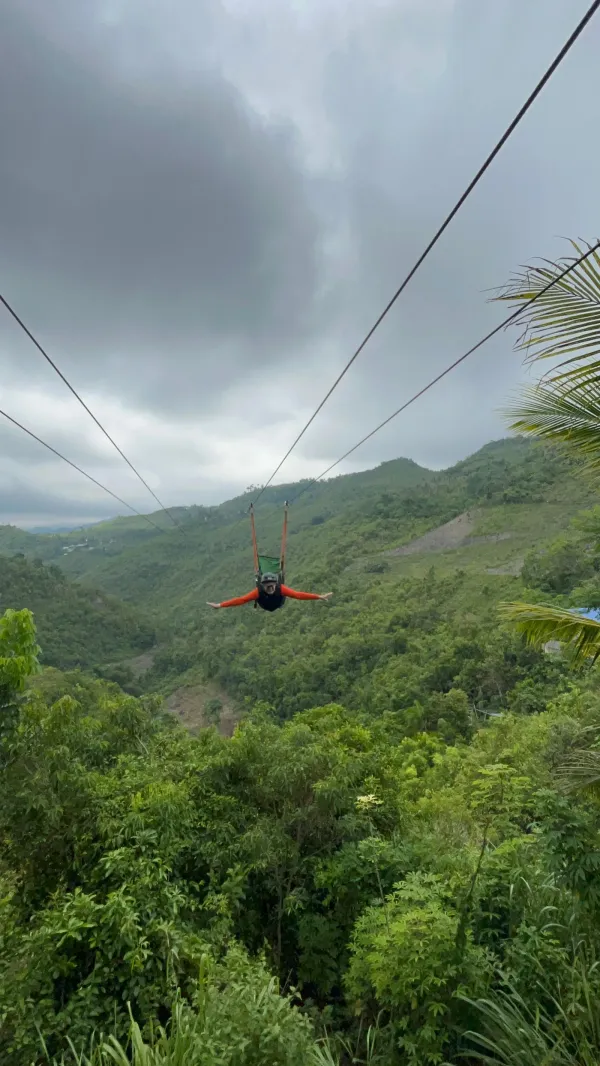
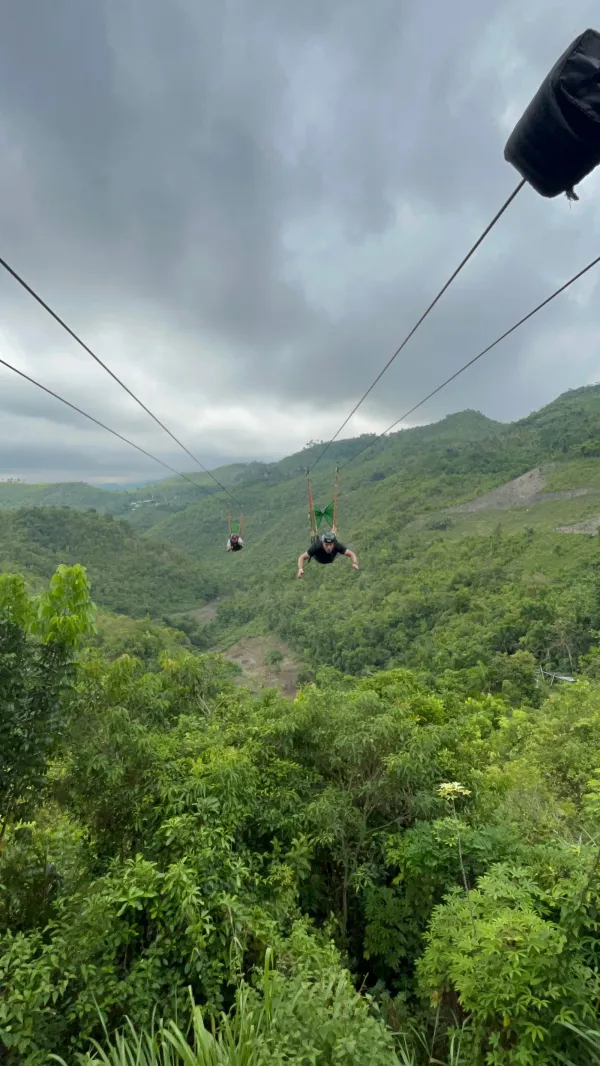
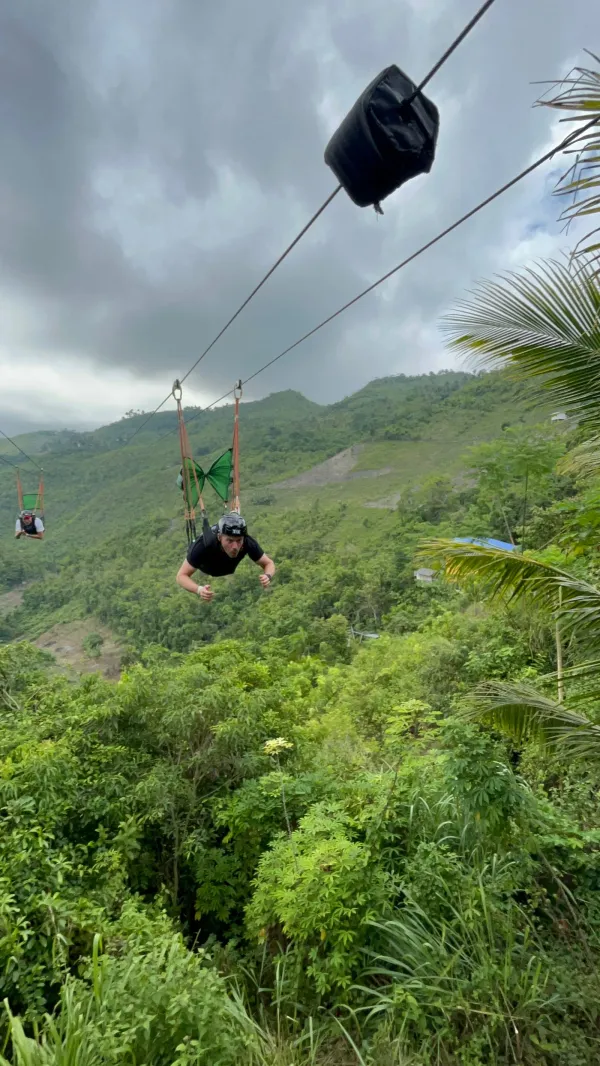
After the river — a canopy walk. Suspension bridges strung between trees at a height that makes your palms sweat. Beneath your feet — netting and planks, and beneath the planks — jungle. Real, dense, deep-green jungle, smelling of damp earth and life. The air is hot and thick, like fabric. Cicadas scream as if it's the last day of their lives. And gradually you sink into that particular Asian ease — when you stop rushing, stop planning, stop counting time. You simply walk. Simply breathe. Simply look.
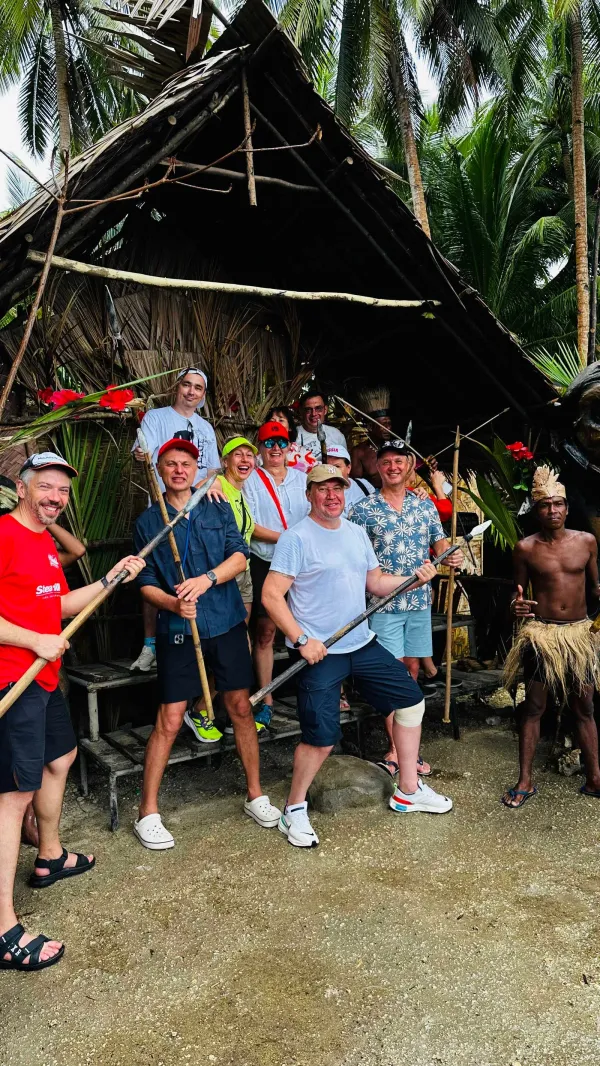
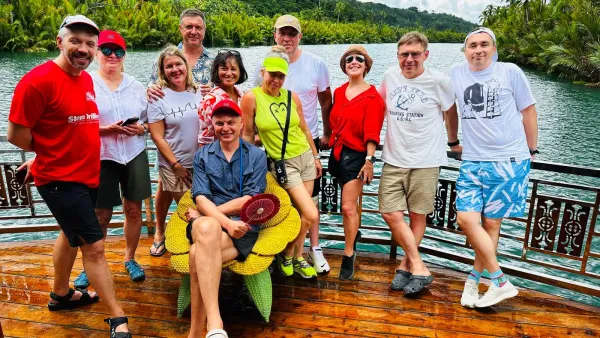
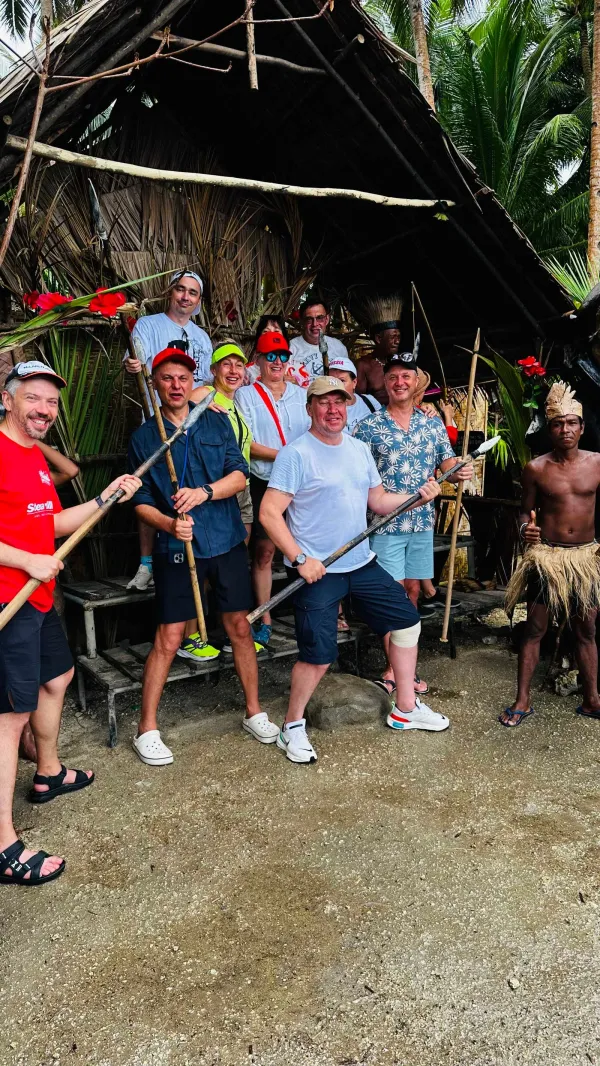
And from this point the trip begins to pick up pace. Because the water lies ahead.
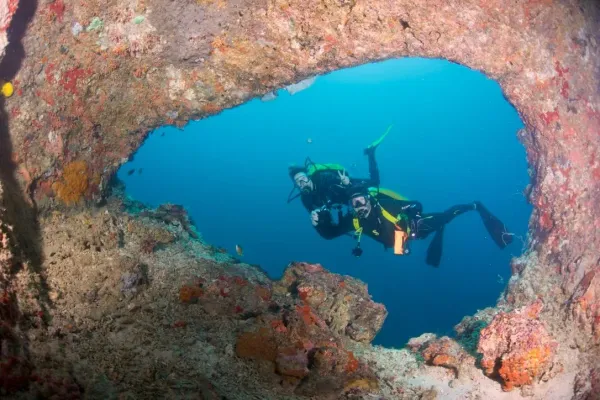
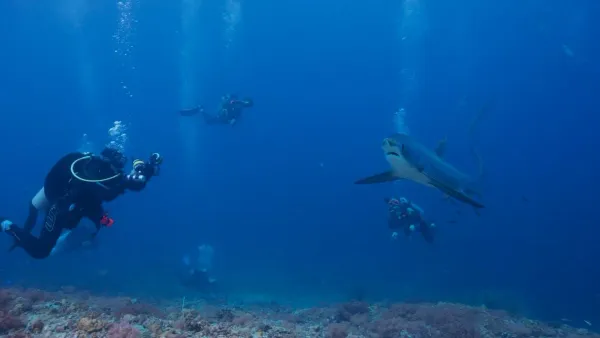
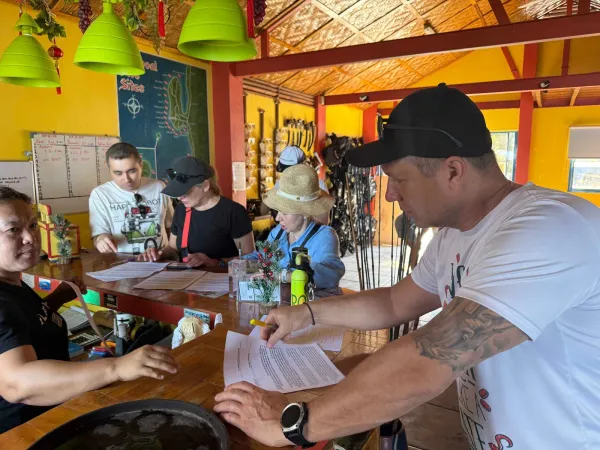

The first encounter with the ocean was the kind that raises the bar instantly and permanently.
Whale sharks.
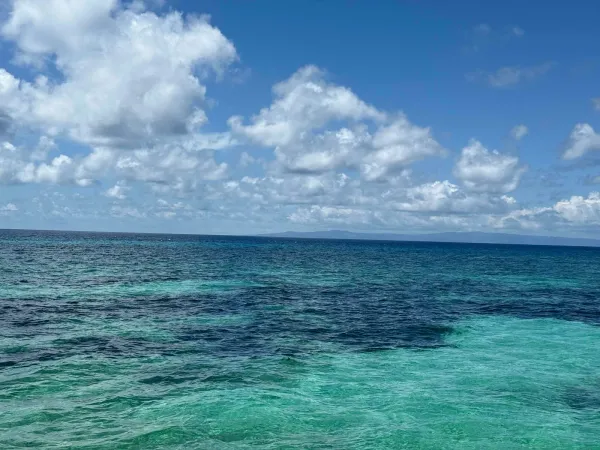
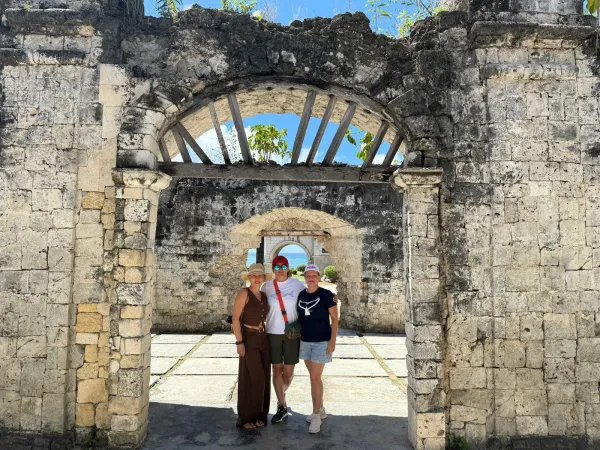
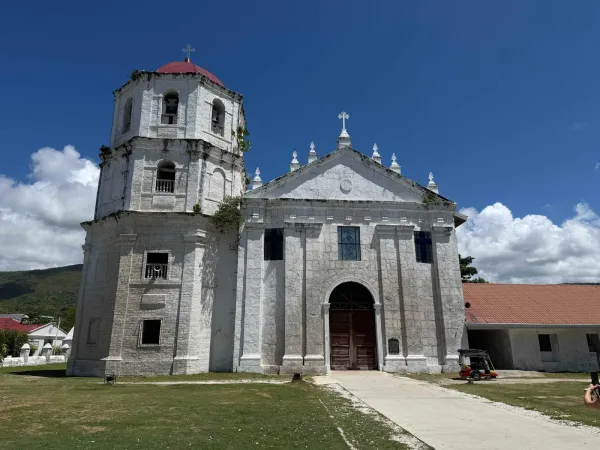
Even people who have never dived know about them. Everyone has seen the photos, read the descriptions, and everyone has a prepared reaction ready: "Well, let's see, should be interesting." And then you find yourself in the water, and a creature the size of a bus passes alongside you — slowly, majestically, utterly indifferent to your presence. A mouth open wide as a tunnel entrance. Skin scattered with white spots, as if someone had sprinkled stars across it. An eye — small, calm, ancient.
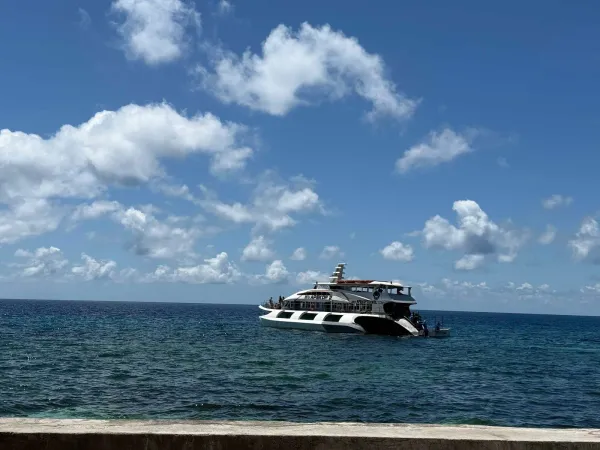
And you hang there. Not in the sense of "holding your breath" — though that too. But in the sense of freezing completely. You stop thinking about the camera, about your position, about getting the best shot. You simply watch. And they — large, calm, fluid — pass by as if you are part of the scenery. Not a threat, not an obstacle. Just another creature in their ocean.
After that, diving begins to truly open up.
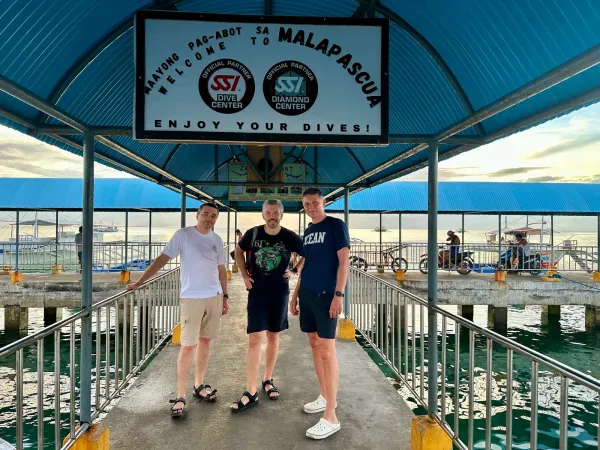
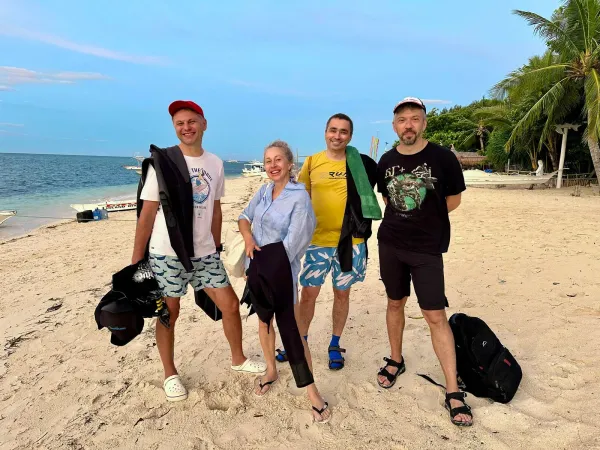
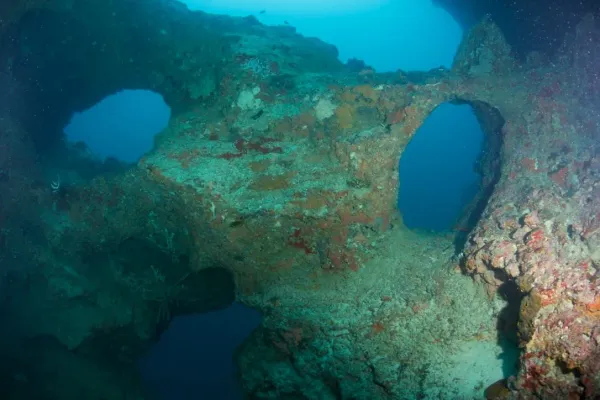
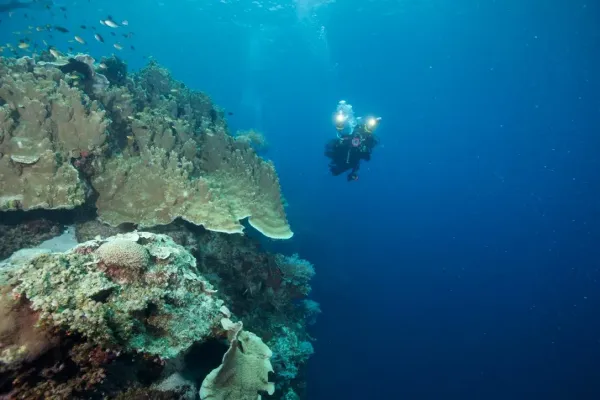
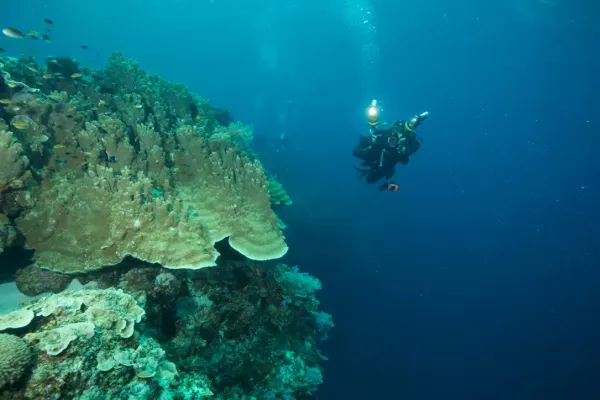
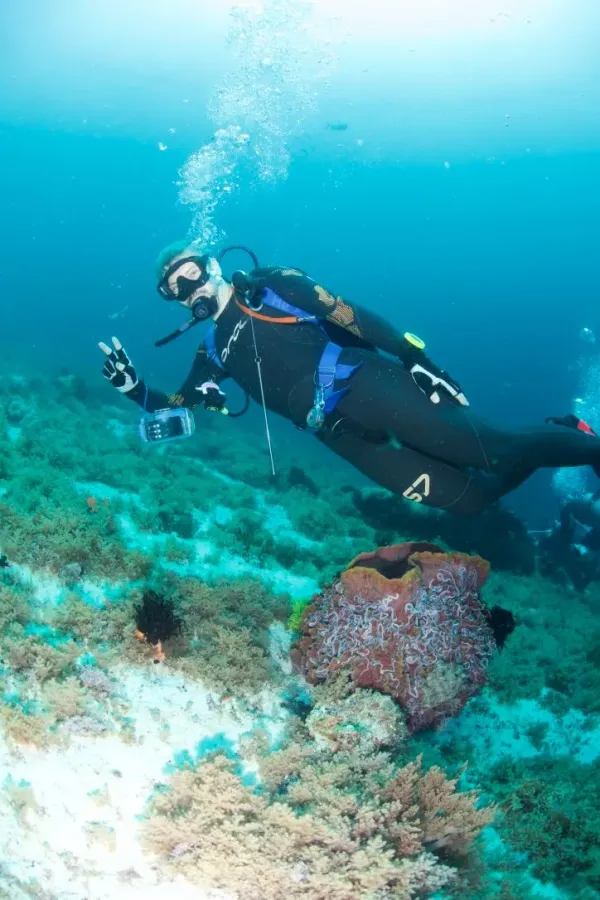
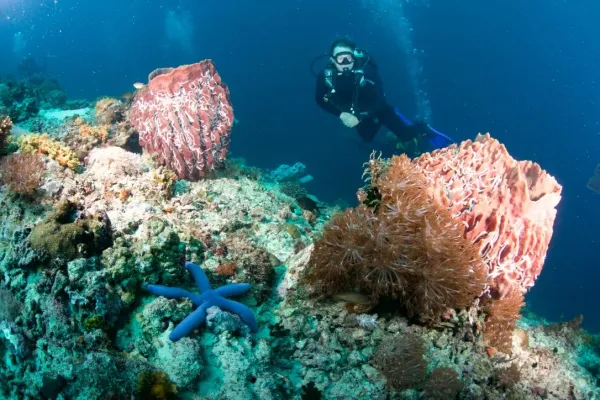
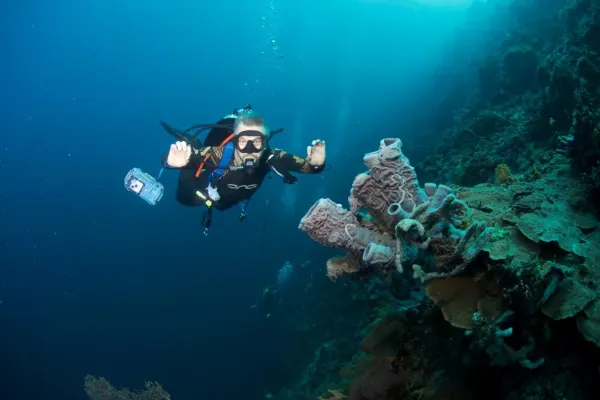
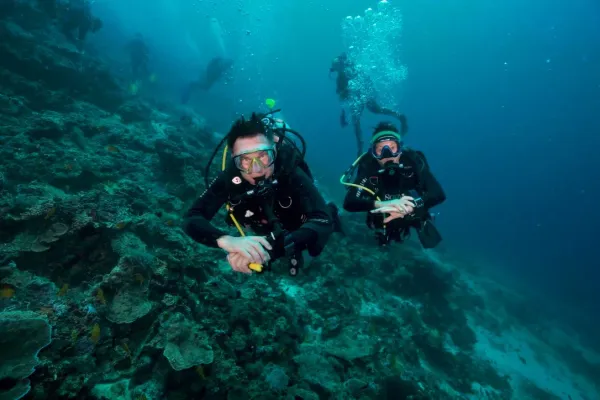
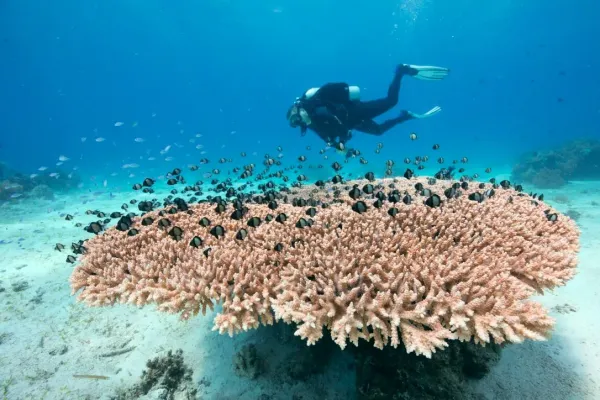
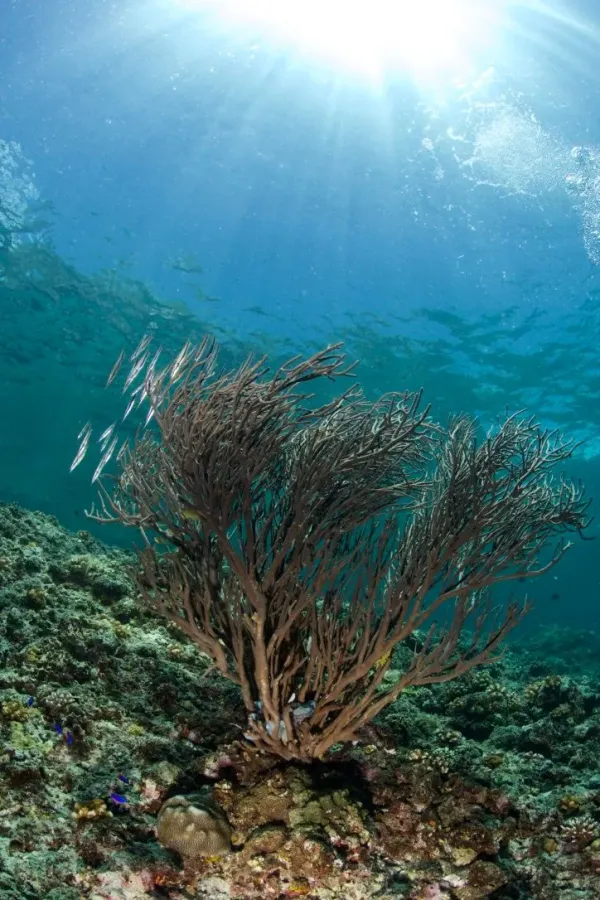
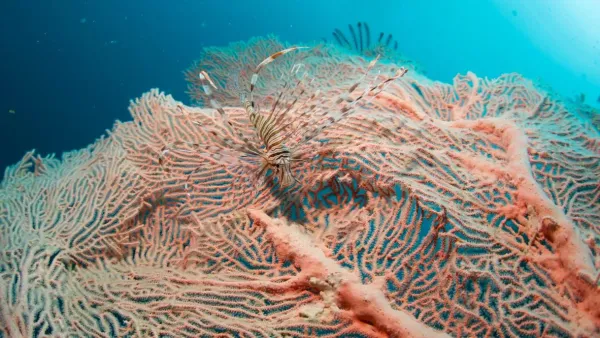
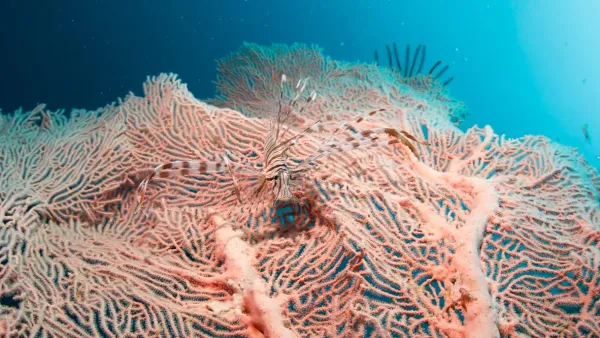
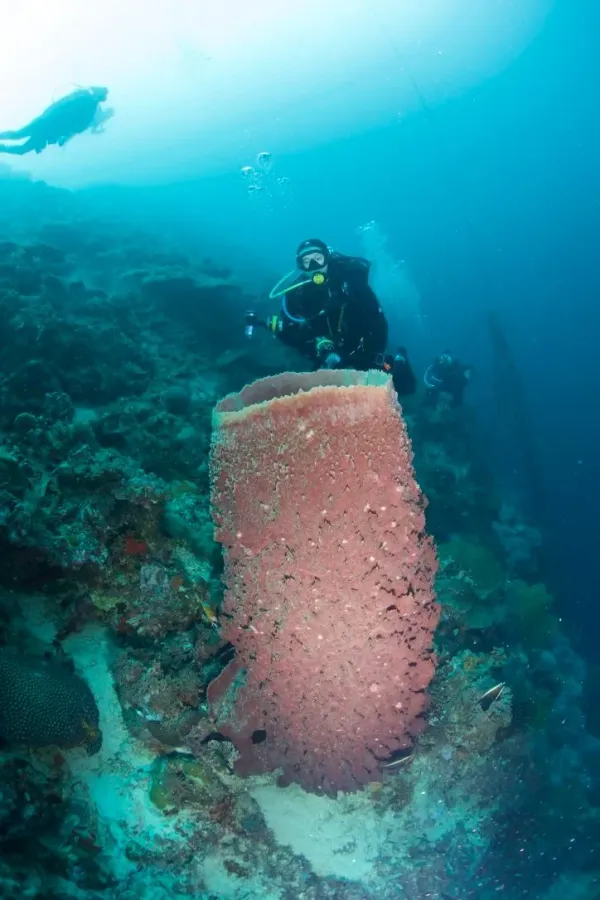
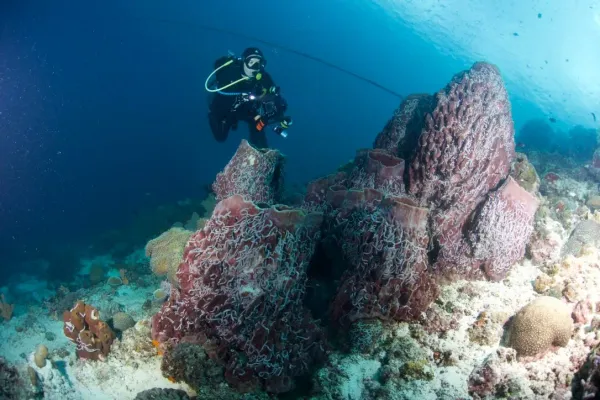
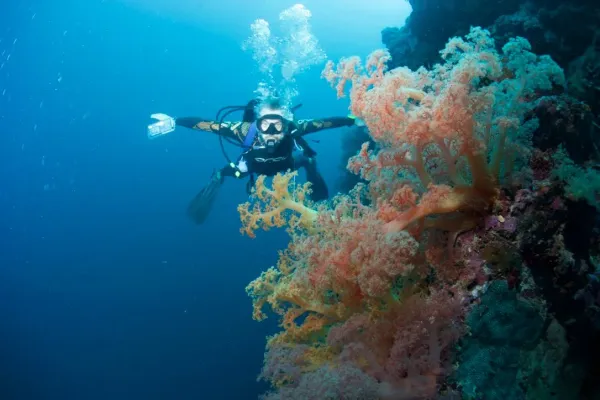
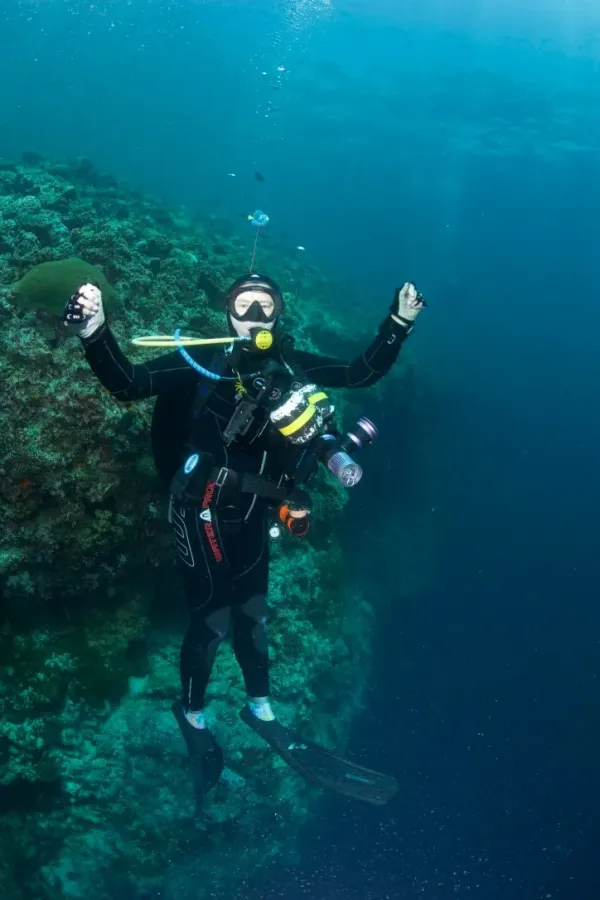
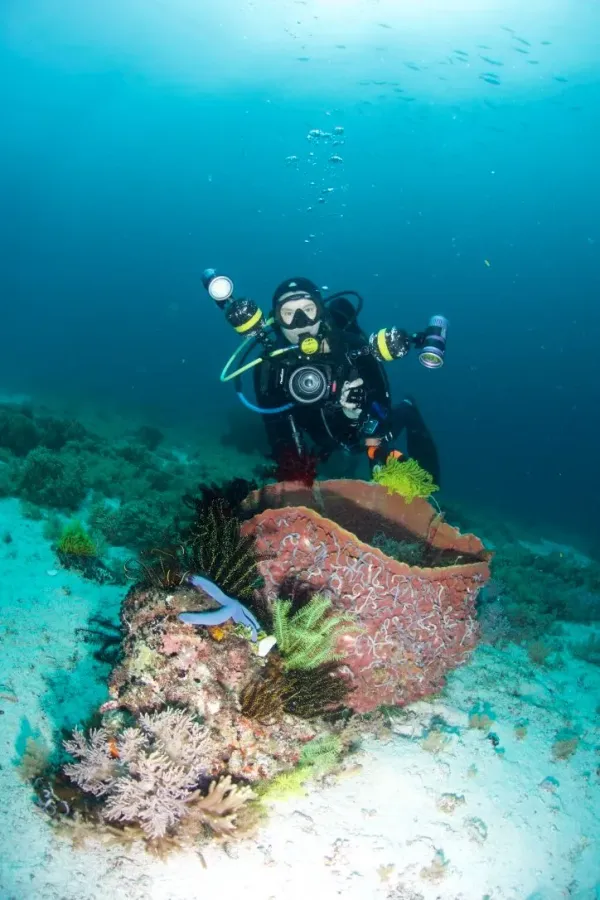
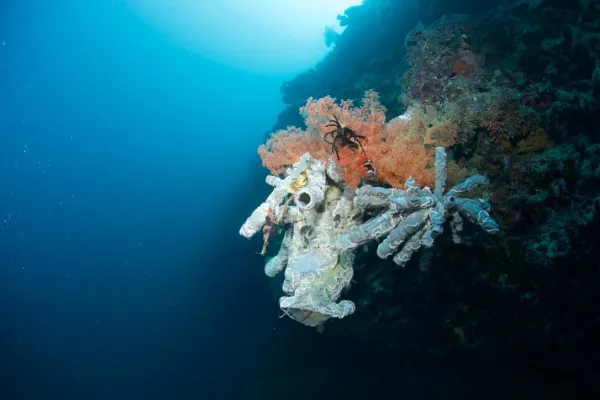
Walls. Sheer coral walls dropping away without visible end — down to where the blue deepens to an inky darkness. You glide along such a wall and it feels like flying alongside a skyscraper: to your left, a living, breathing facade of corals, sponges, and sea fans; to your right, the abyss. The current doesn't fight you — it adds momentum, carries you forward, and you drift, barely working your fins, just steering your body the way a glider steers its wings.
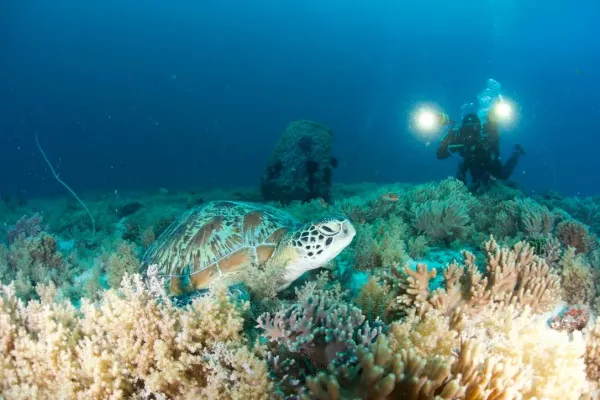
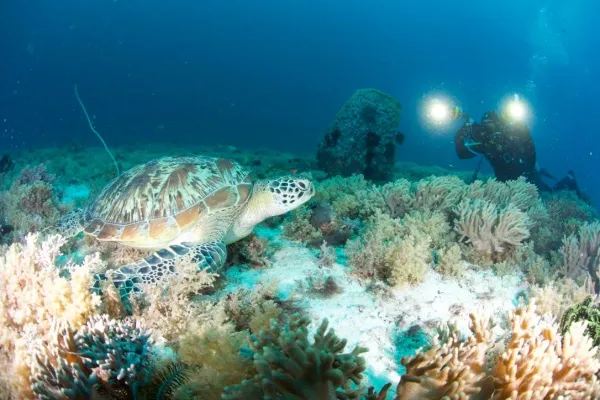
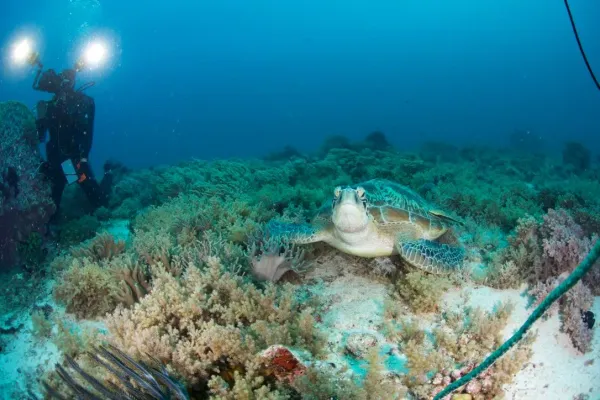
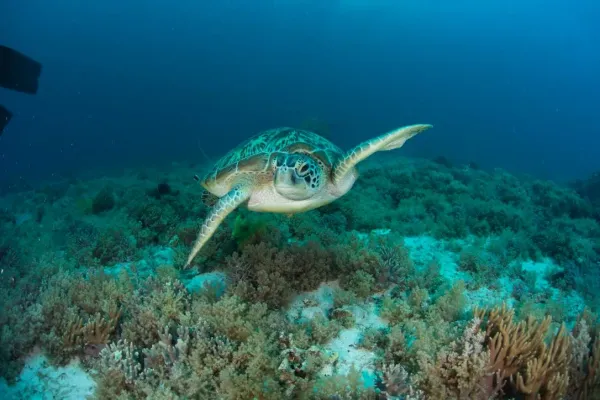
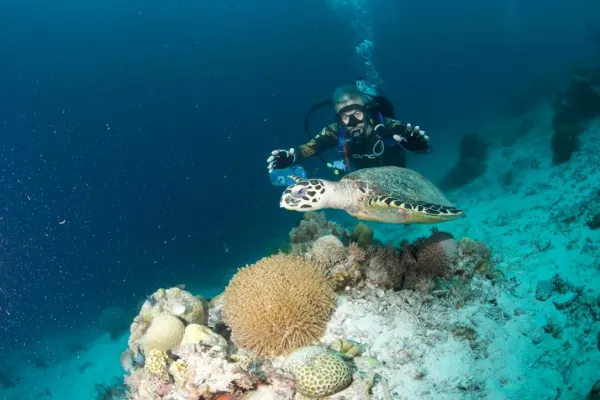
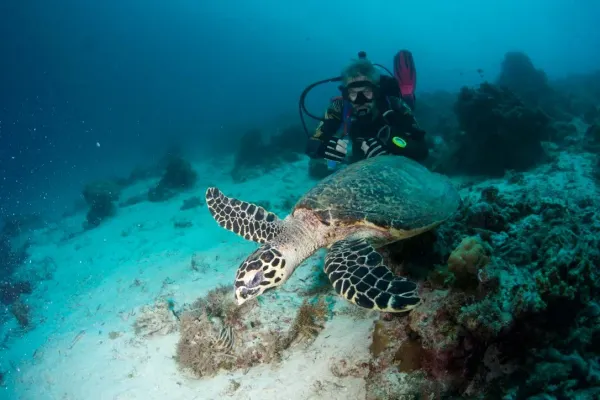
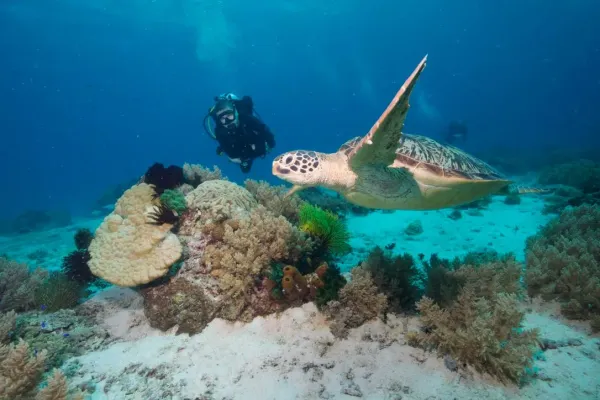
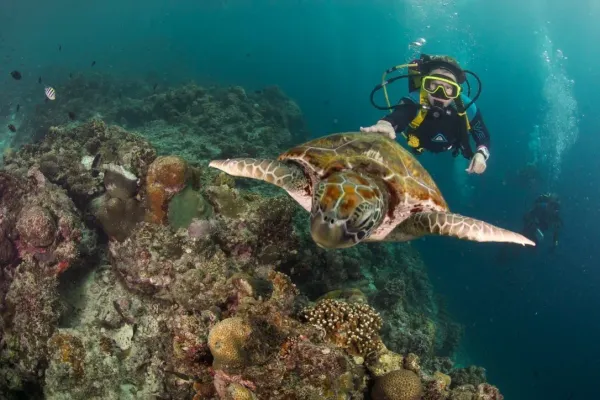
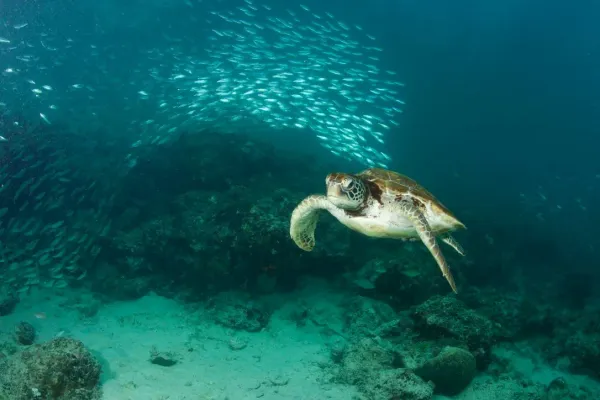
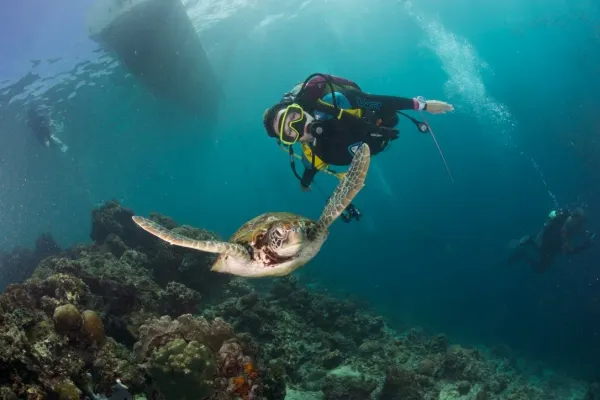
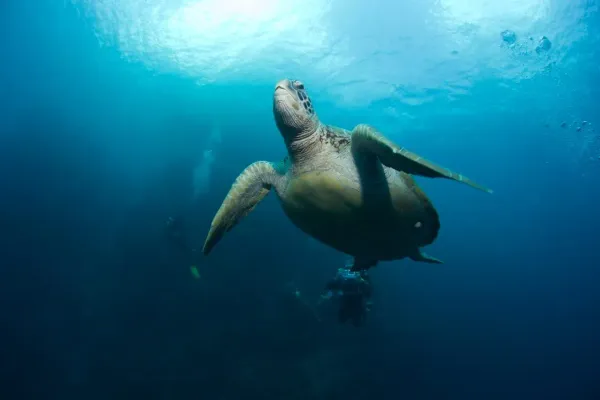
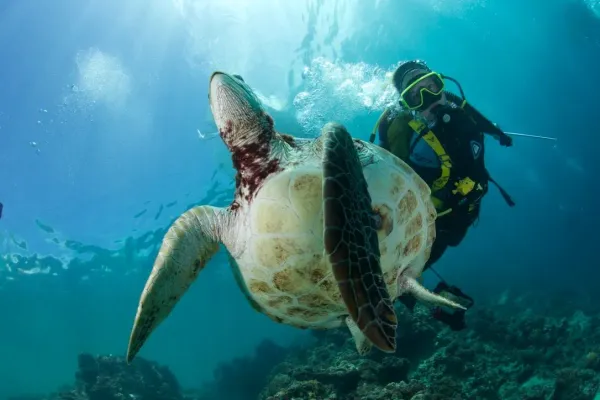
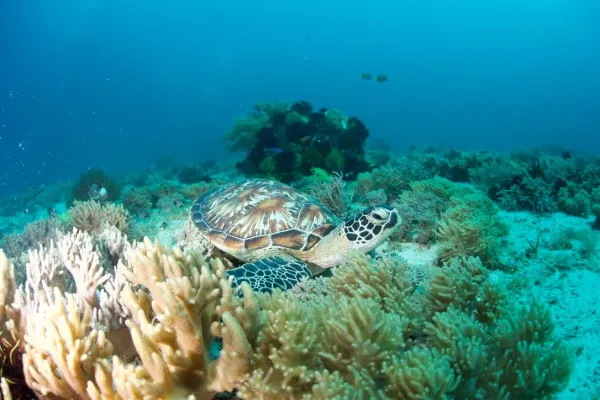
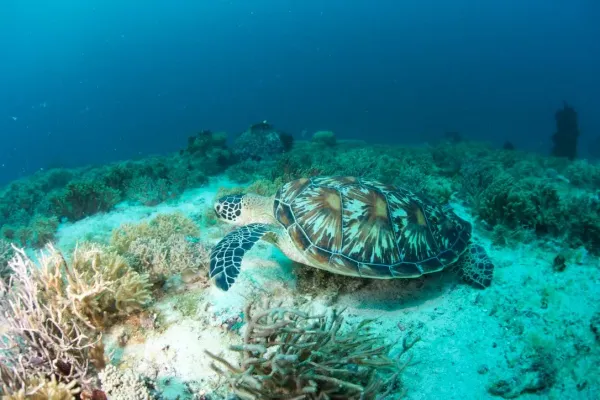
And turtles. Many. Not "one, lucky to spot it," but a feeling that this is their territory and you are a guest who has been permitted entry. Green turtles rest on the coral, nibble at sponges, watch you with one eye, and don't move. A hawksbill passes directly overhead — so close you can see every plate on its shell, every scale on its flippers. One of them hovered beside me for a minute, maybe more — motionless in the water column — and we simply looked at each other. In moments like that you start to believe that some kind of connection is possible underwater — not spoken, not logical, just a quiet mutual recognition.
Somewhere between dives you catch yourself realising it's no longer possible to pick out a single best day. Because each one adds something new.
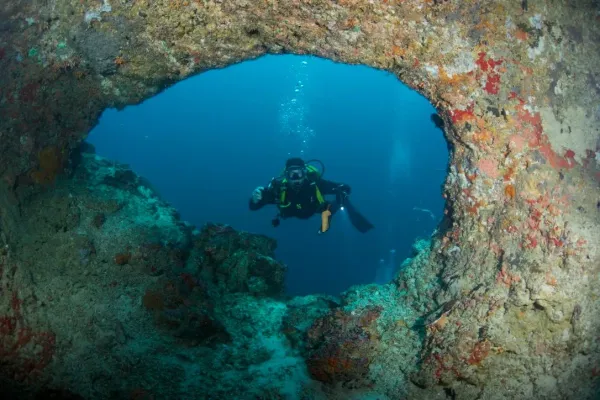
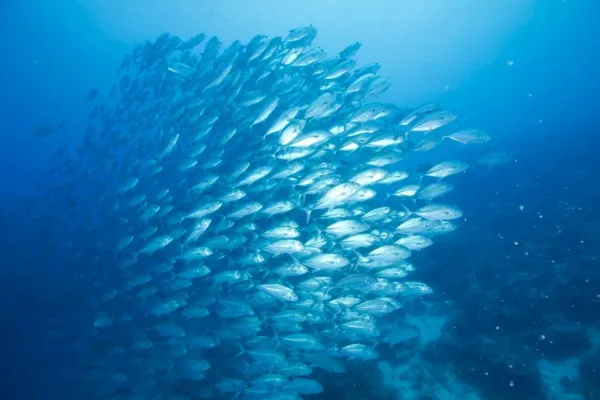
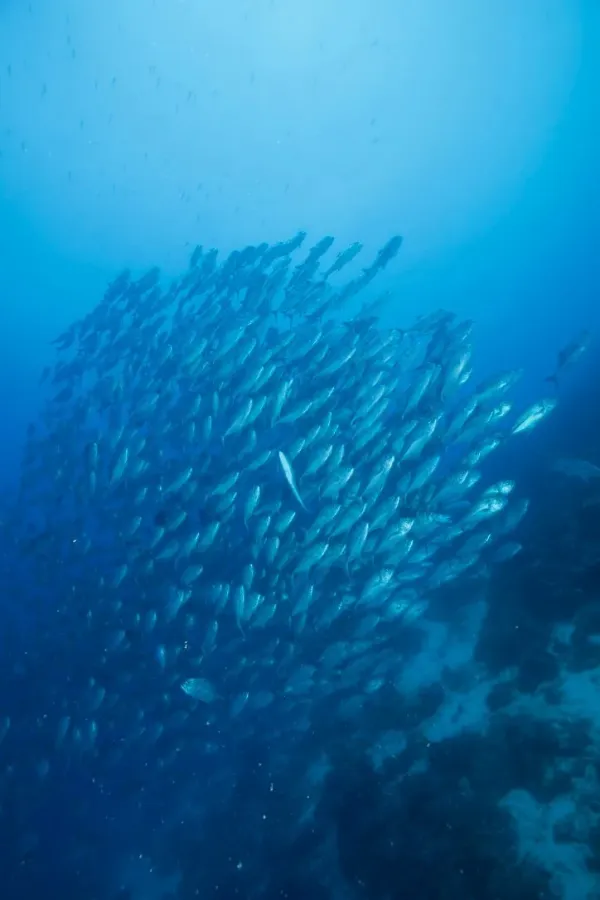
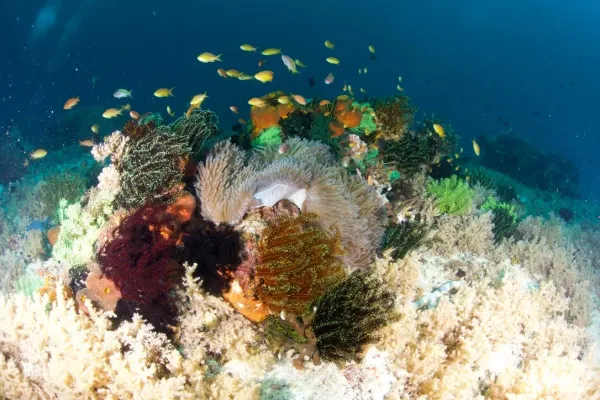
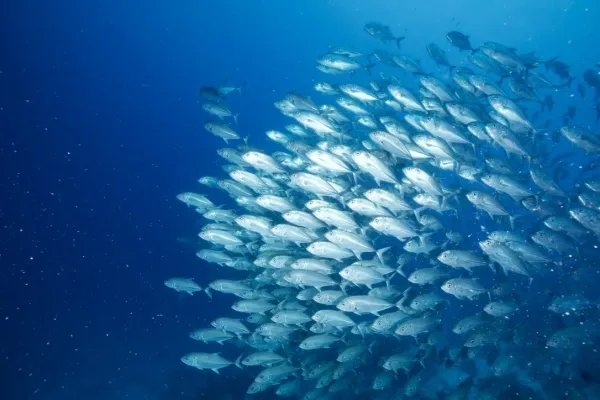
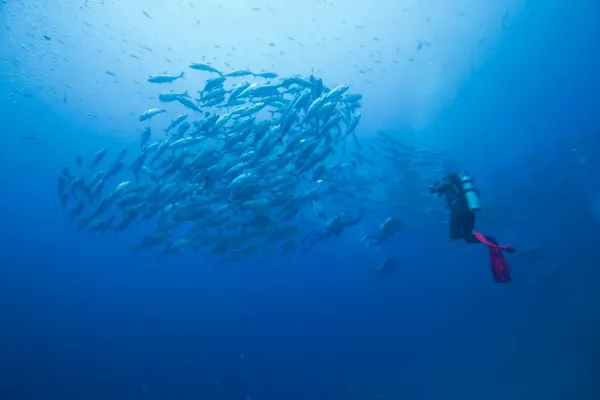
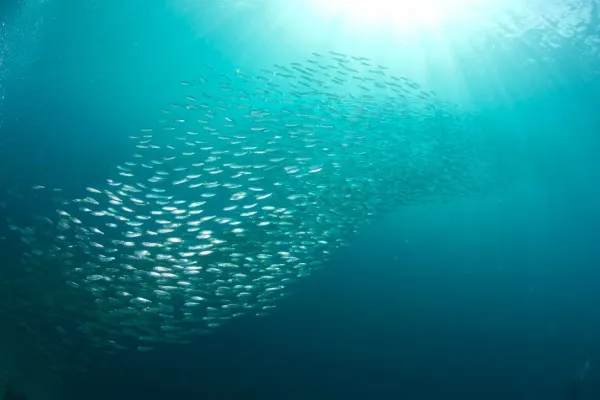
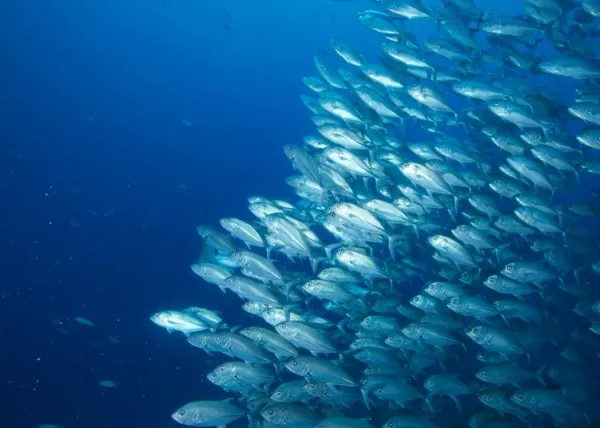
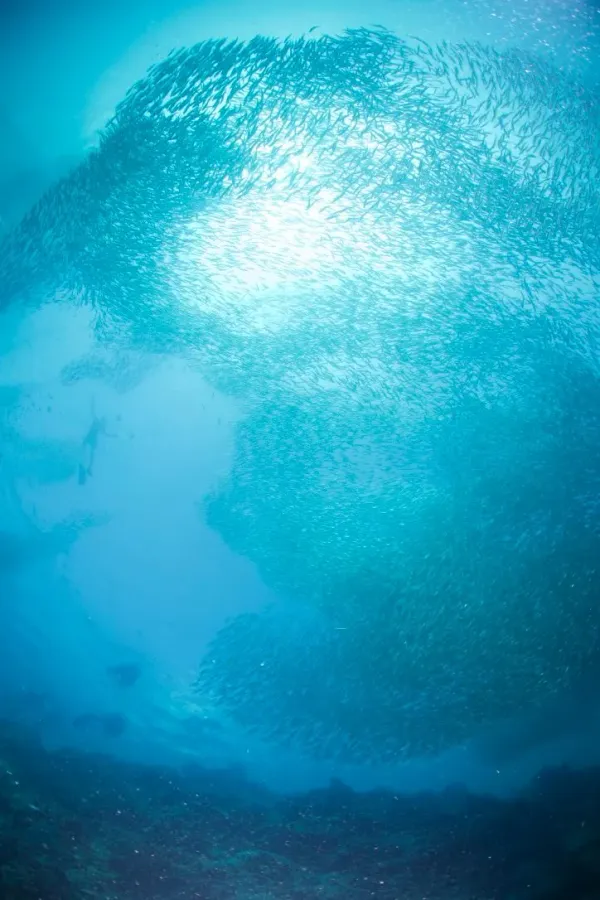
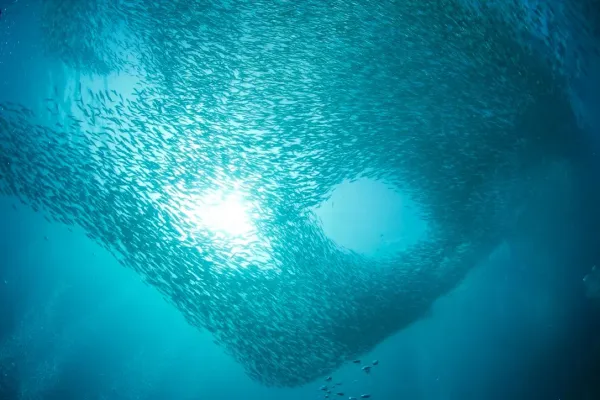
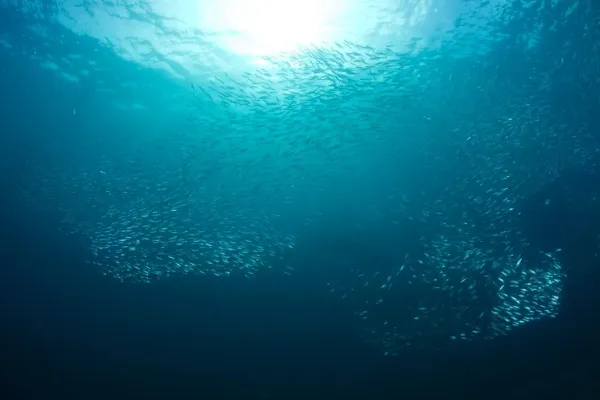
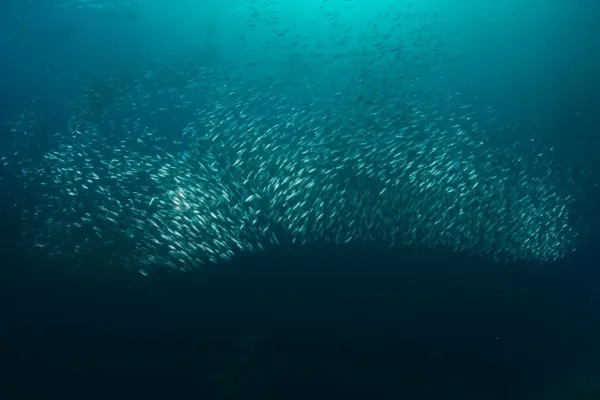
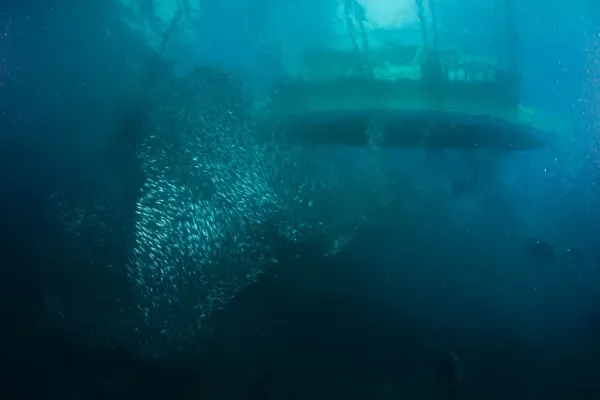
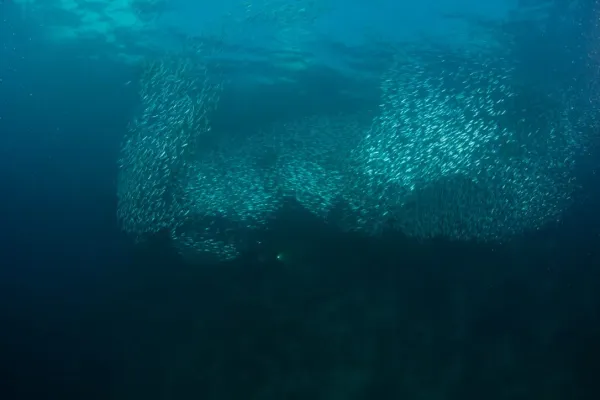
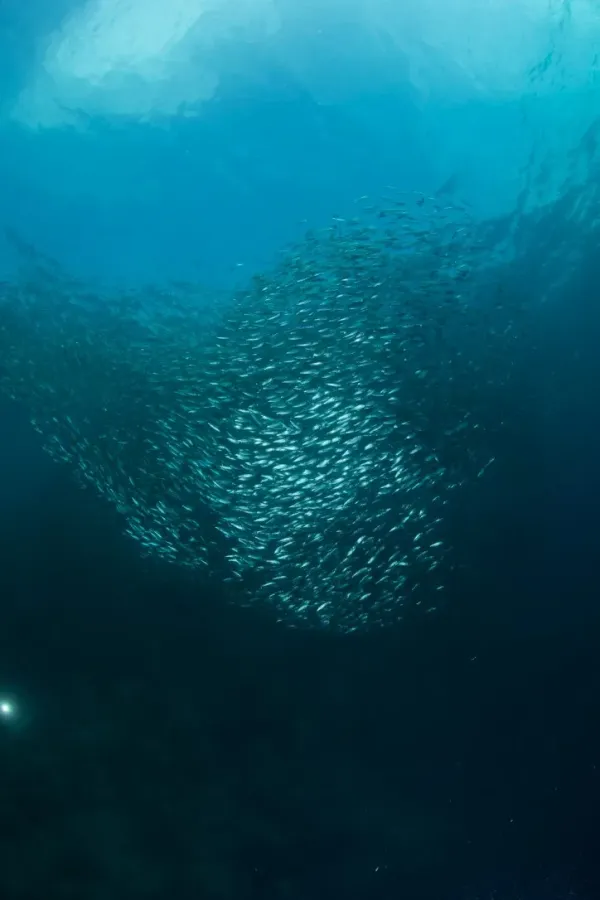
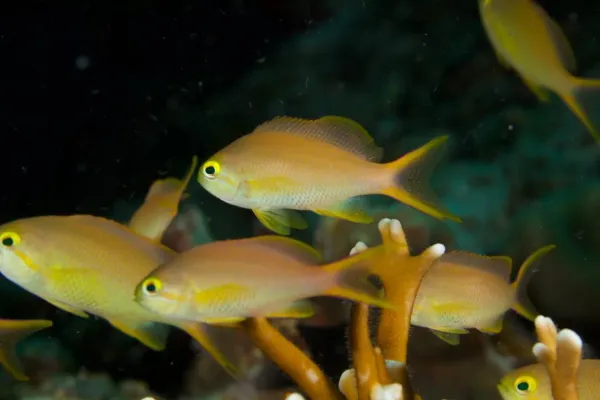
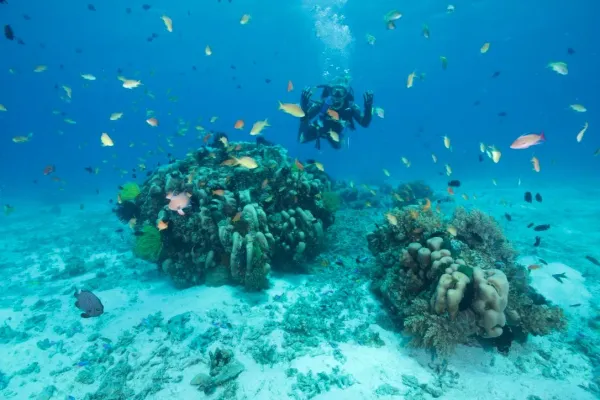
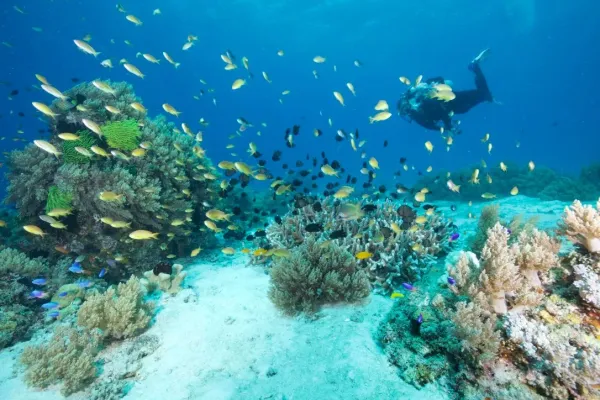
Schools of fish. Not just schools — the kind that gather into dense, pulsing clouds, living by their own laws. Thousands of silver bodies moving as one — a turn, a tightening, an expansion, another turn. You swim through such a cloud and the fish part around you on all sides, and for a moment it feels as though you are inside another world — liquid, shimmering, endlessly in motion. The visibility is so clear you can see thirty metres in every direction, and sometimes it seems unreal — as if there is no water at all, as if you are simply hanging in the air above the reef.
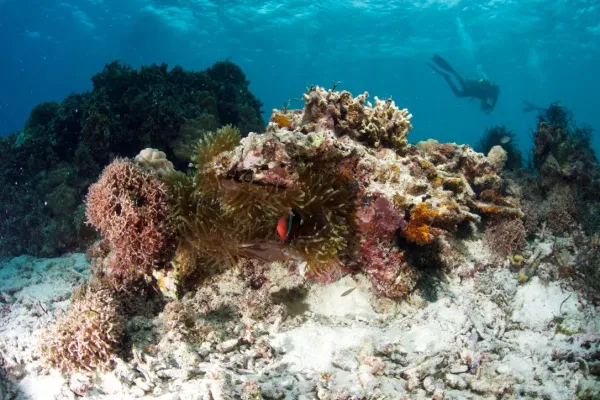
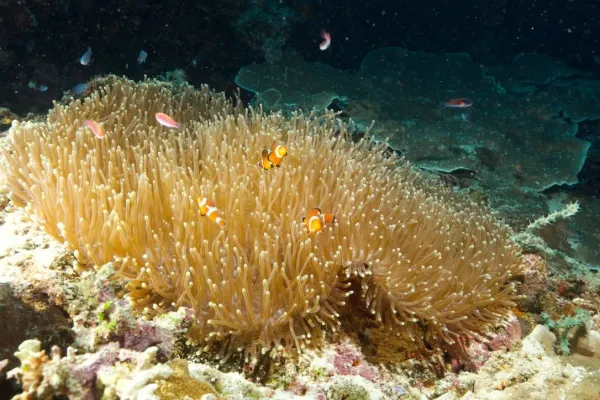
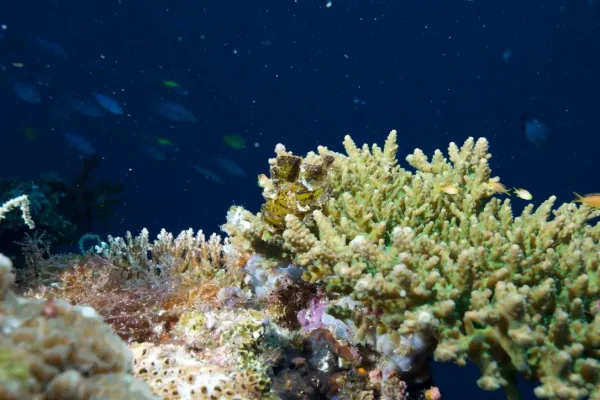
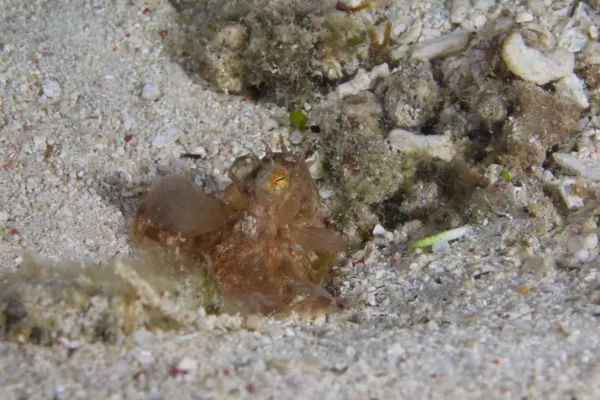
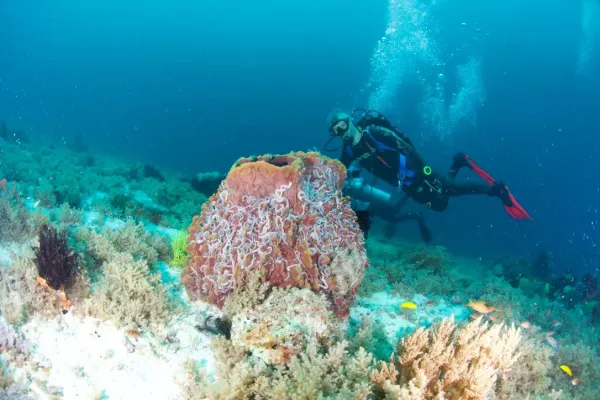
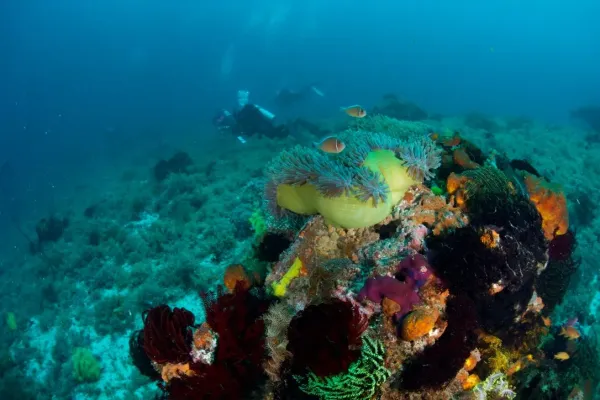
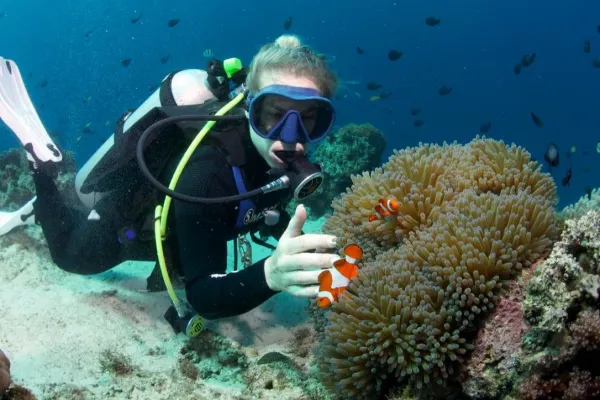
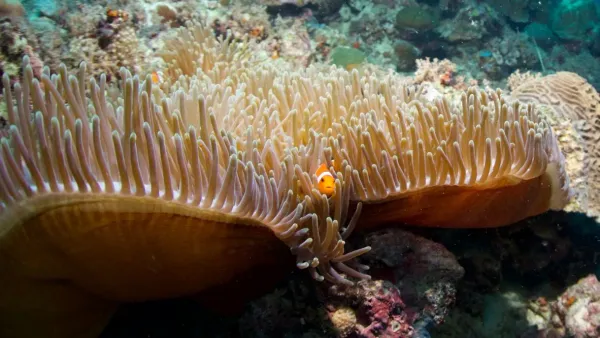
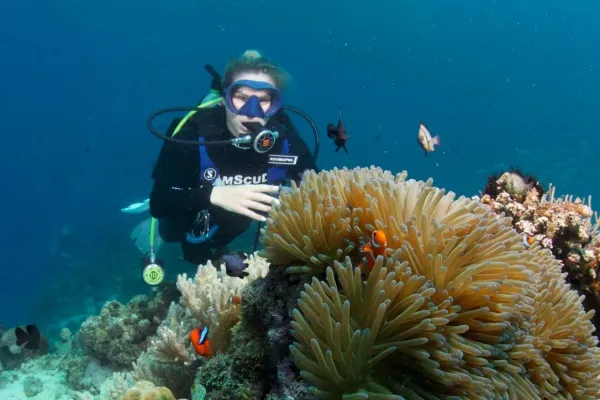
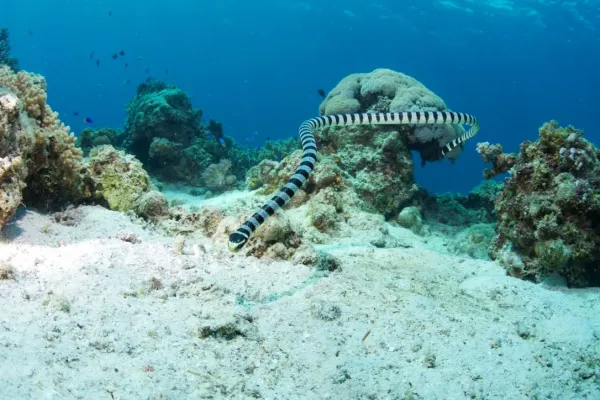
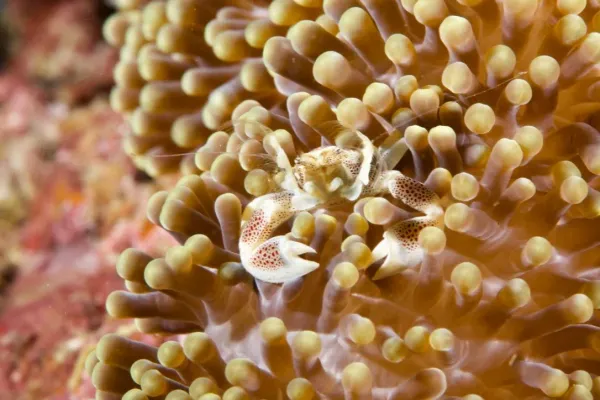
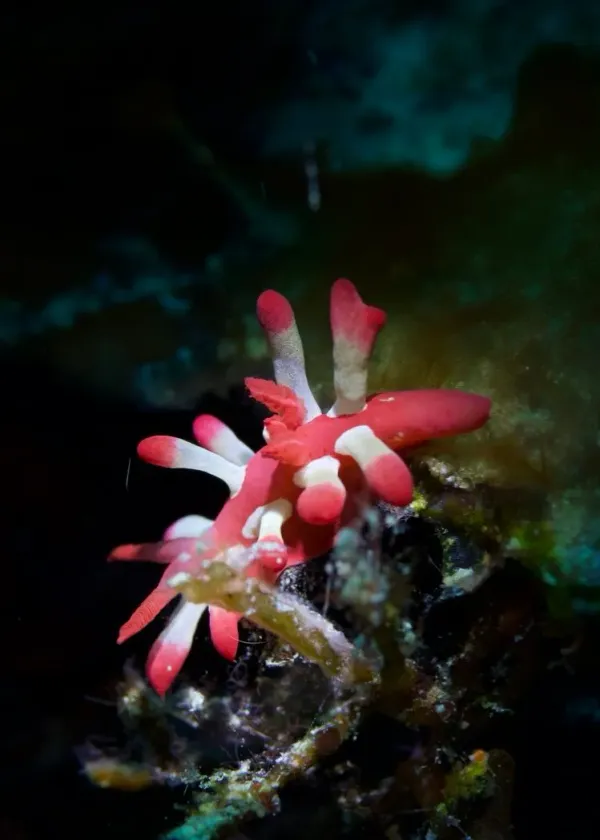
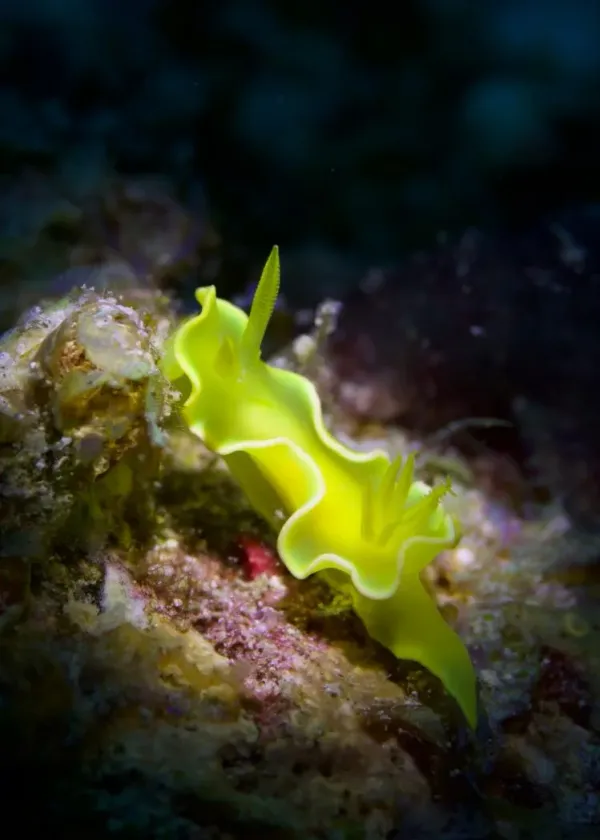
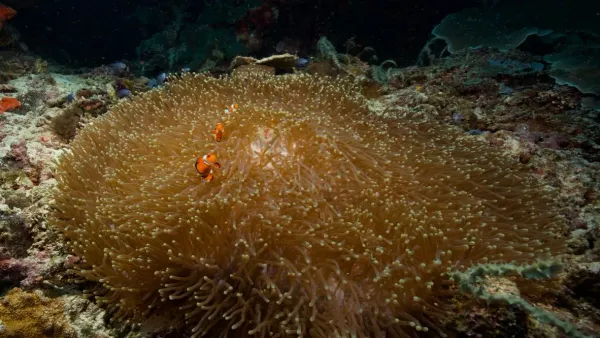
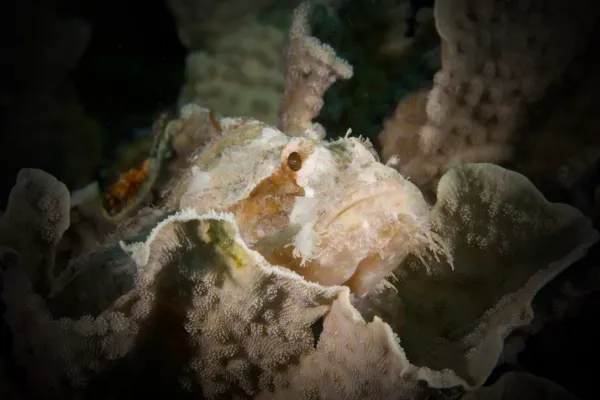
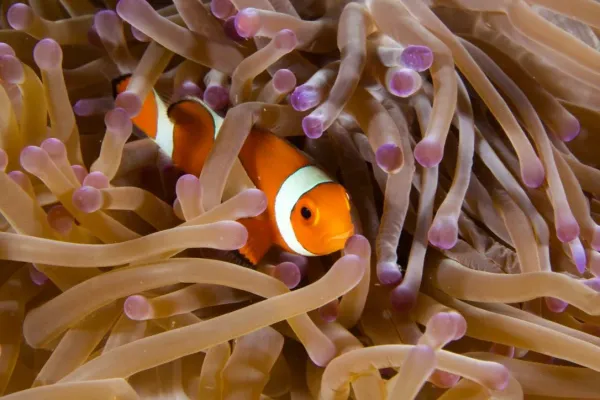
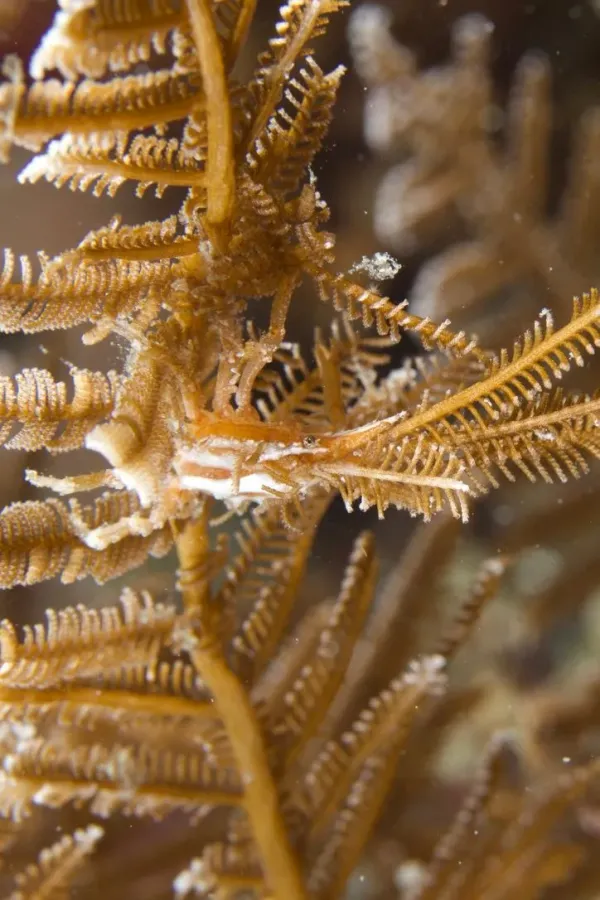
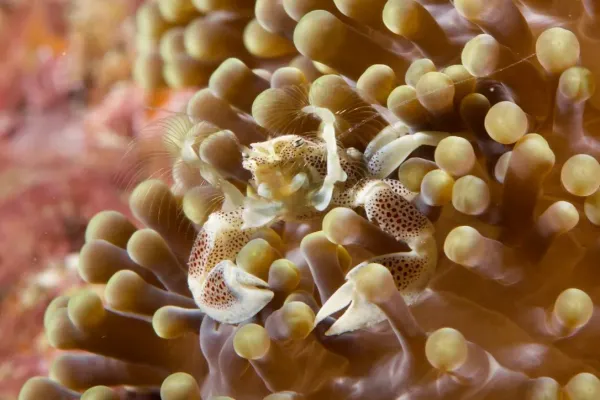
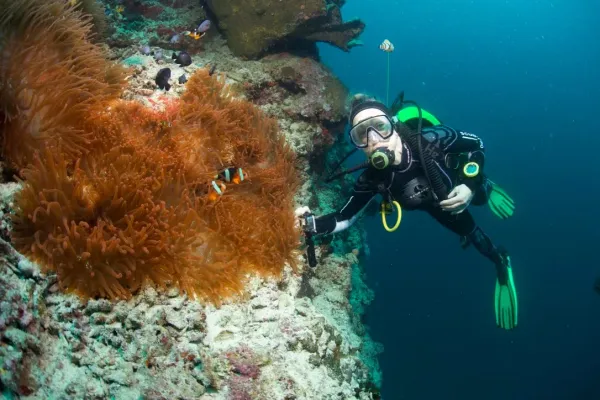
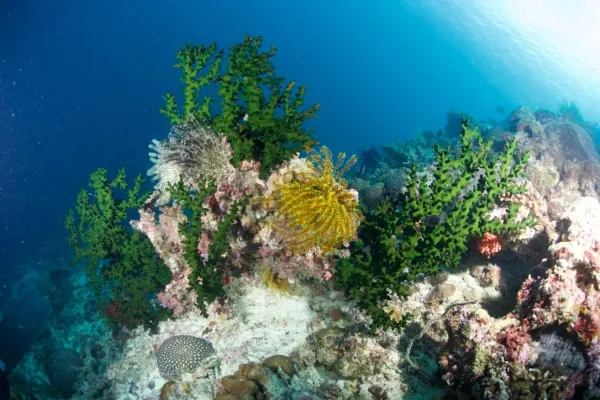
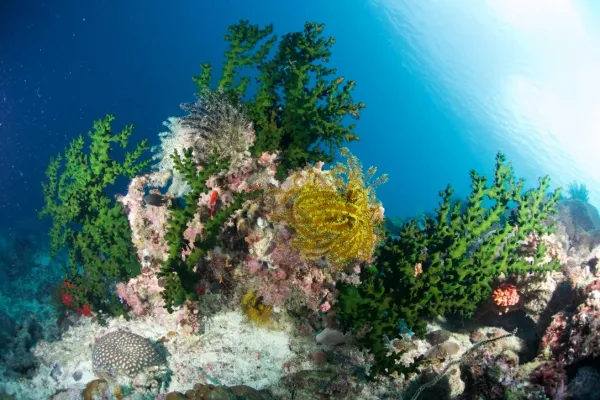
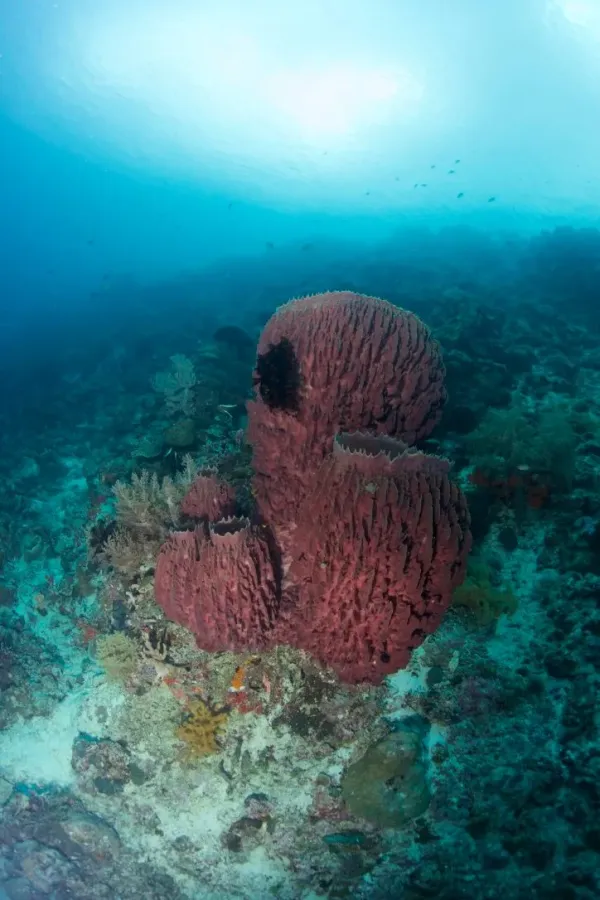
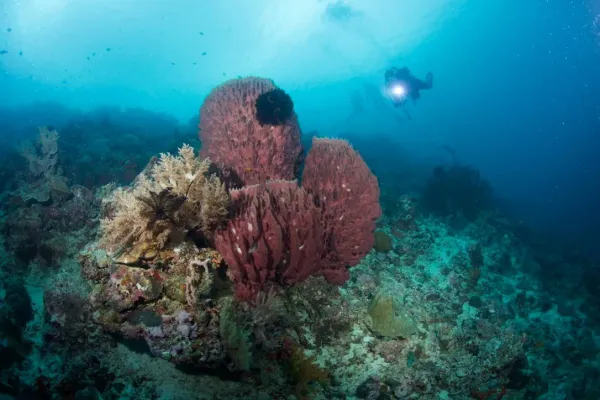
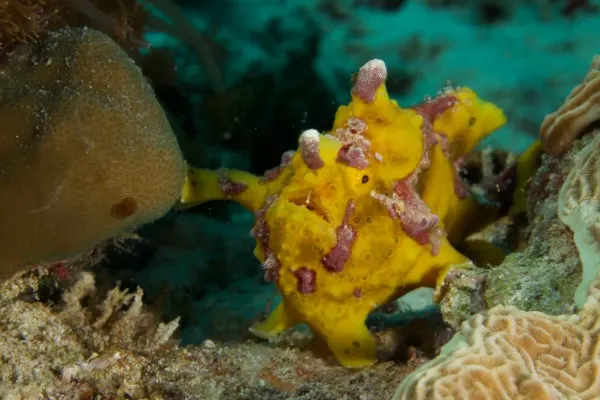
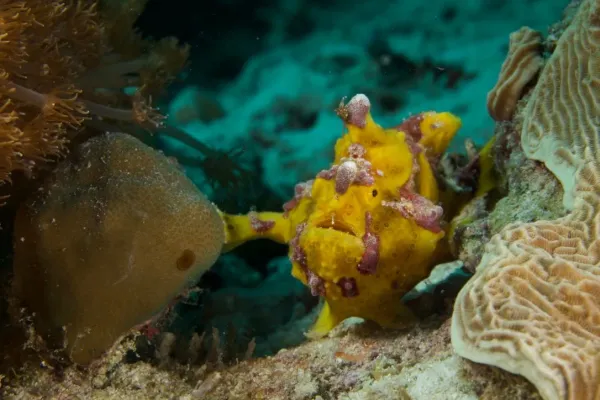
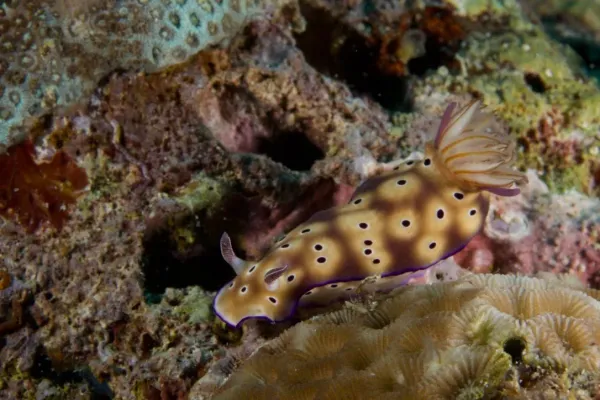
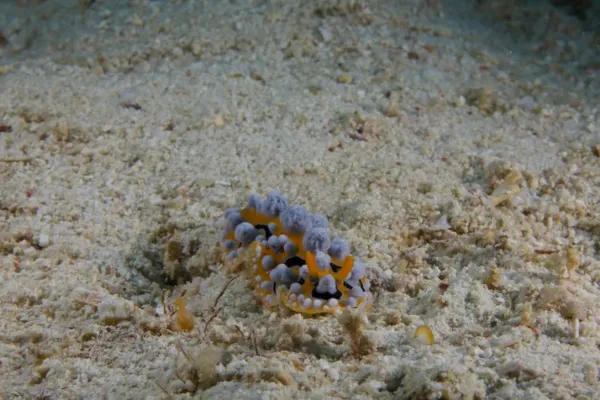
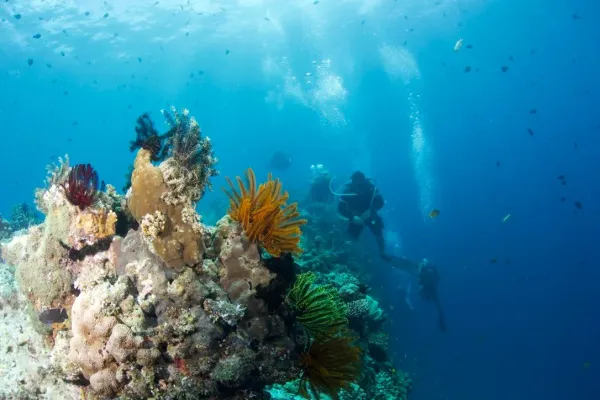
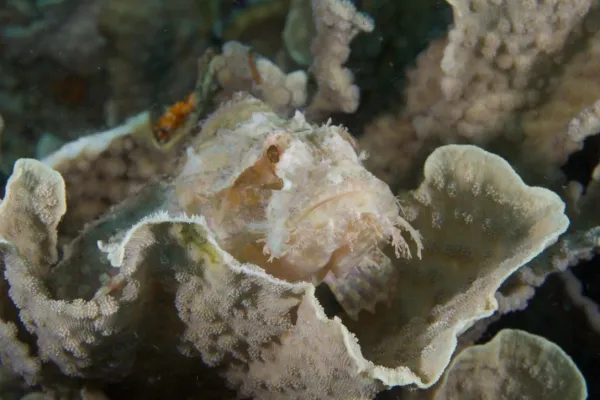
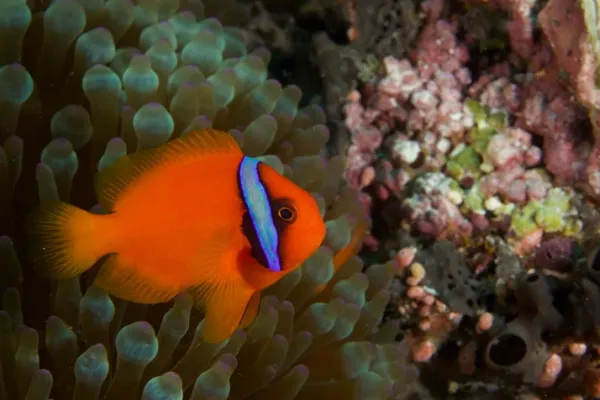
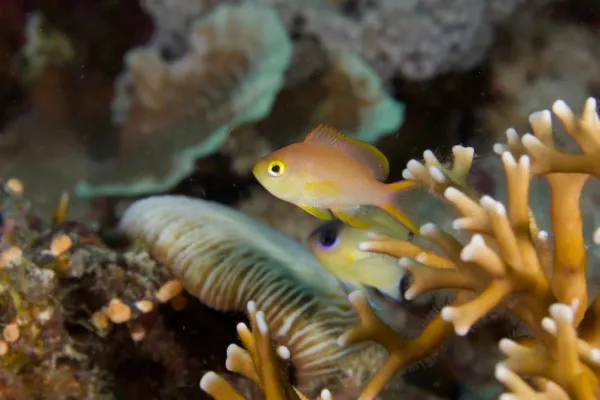
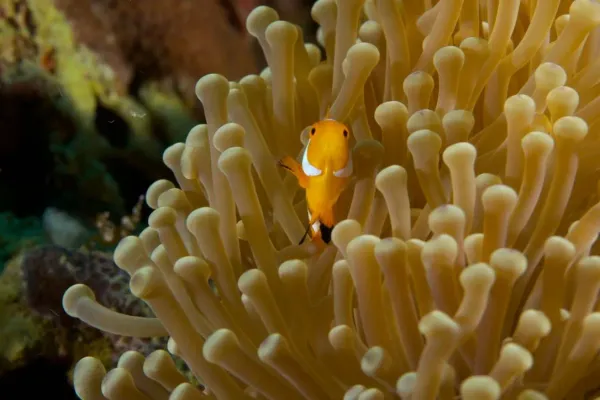
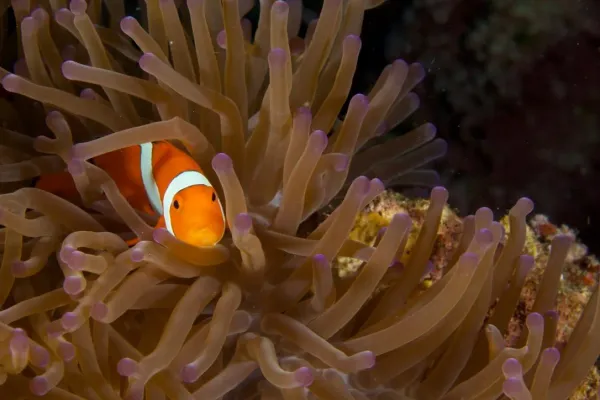
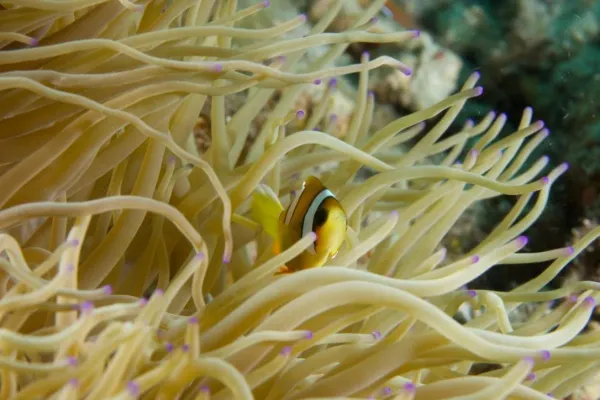
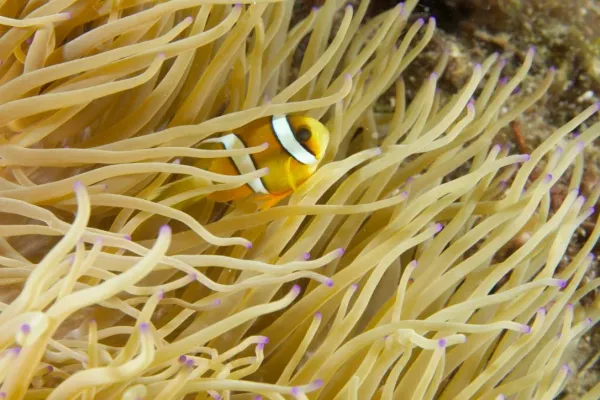
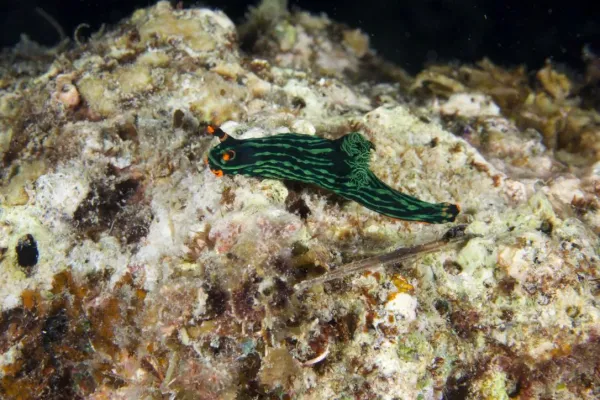
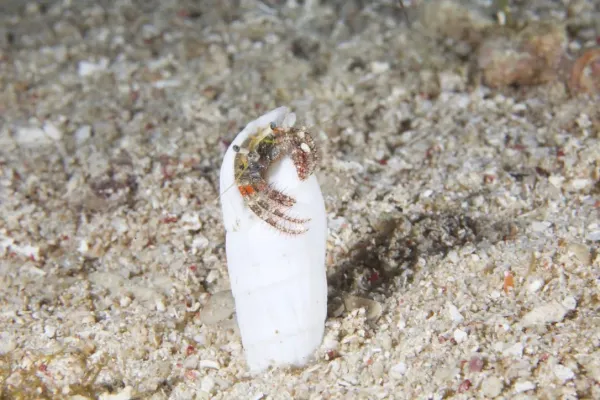
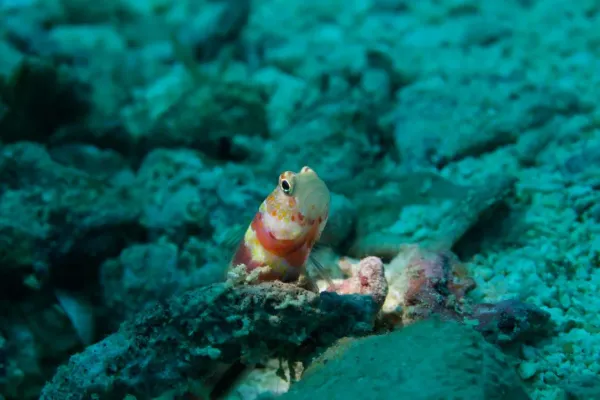
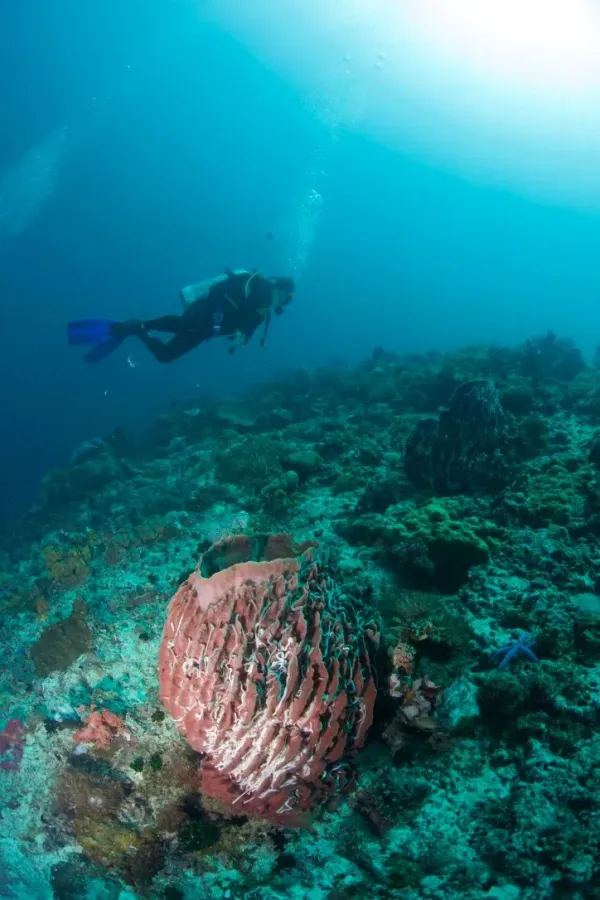
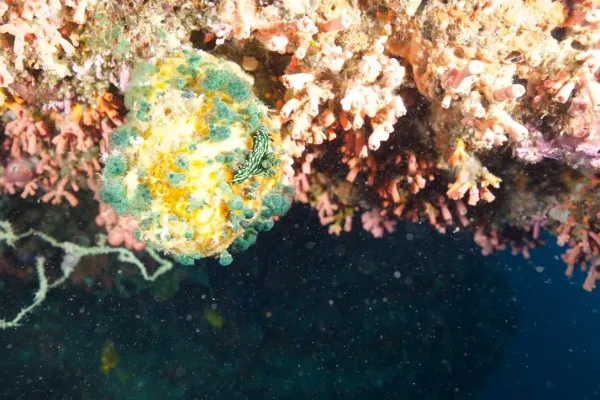
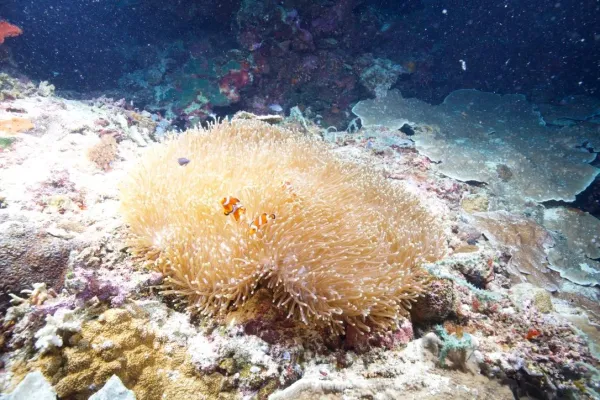
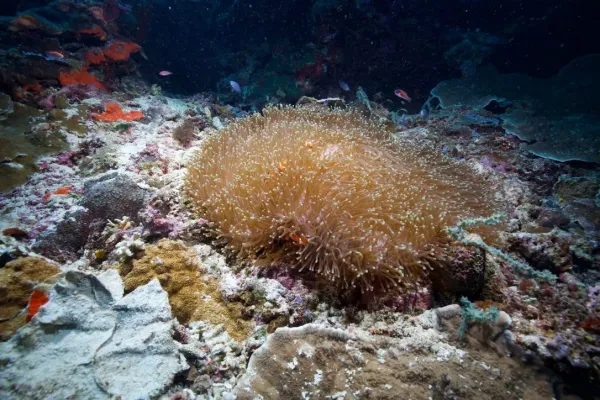
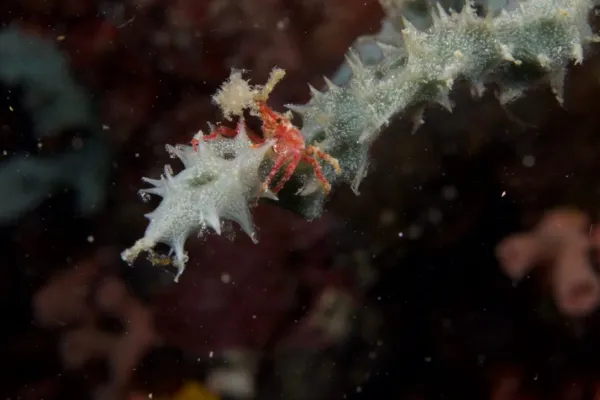
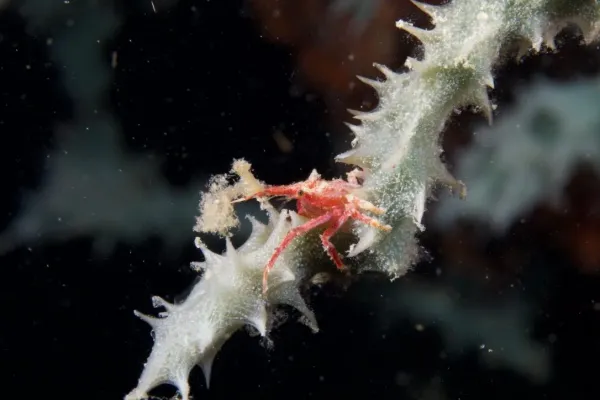
The reefs here are alive. Genuinely alive — vibrant, busy, filled with movement. Every square metre is its own story. Shrimps in anemones, nudibranchs on coral, moray eels in crevices. You want to return to the same spot again and again, because every time you see something new.
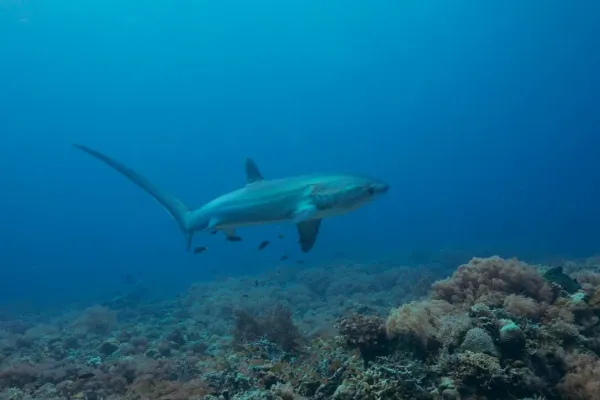
And the finale. That one accent which stays in memory long after everything else has merged into a single warm, salty, happy recollection.
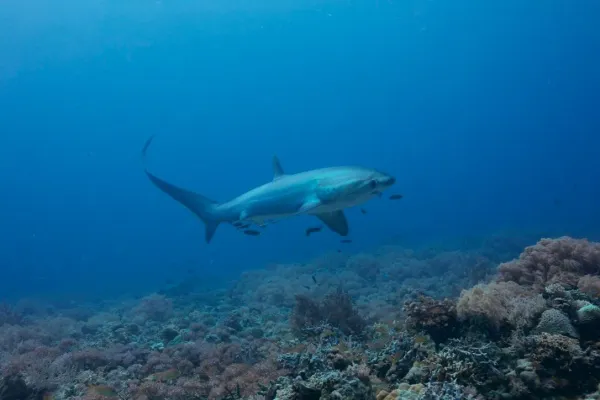
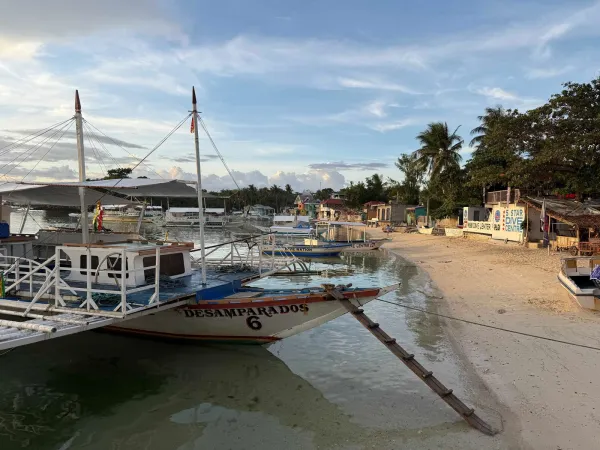
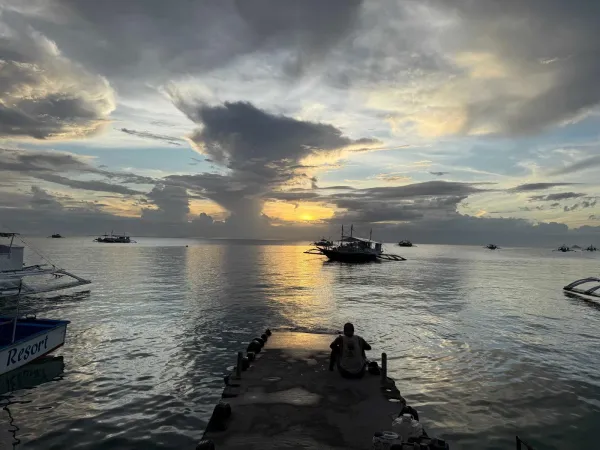
A small island. Malapascua. A place that revolves around one thing — an early-morning encounter with creatures that are genuinely not easy to see.
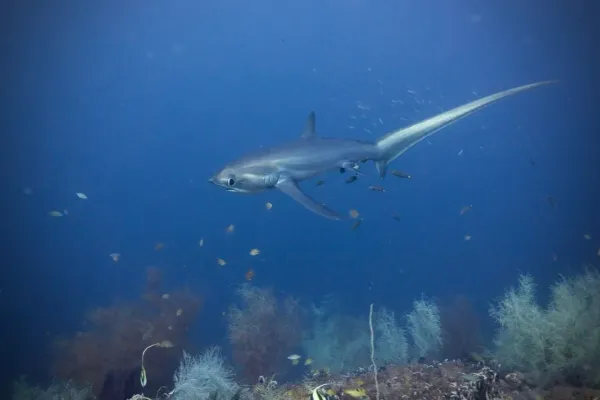
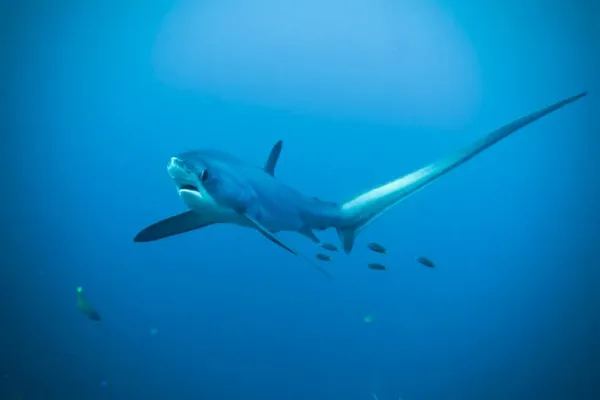
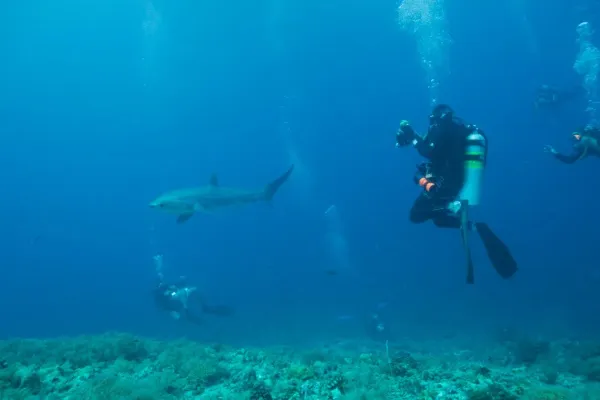
Thresher sharks.
Rising in the dark. The alarm goes off at an hour when sensible people are still deep in their third dream. Outside — night, the air humid and cool, the island not yet awake. Torches on the jetty, quiet voices, the clunk of tanks against the hull. The engine starts, and you head out into open water while to the east the horizon is only just beginning to grey.
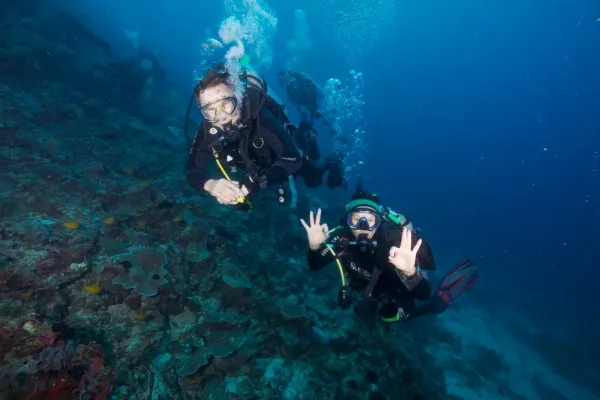
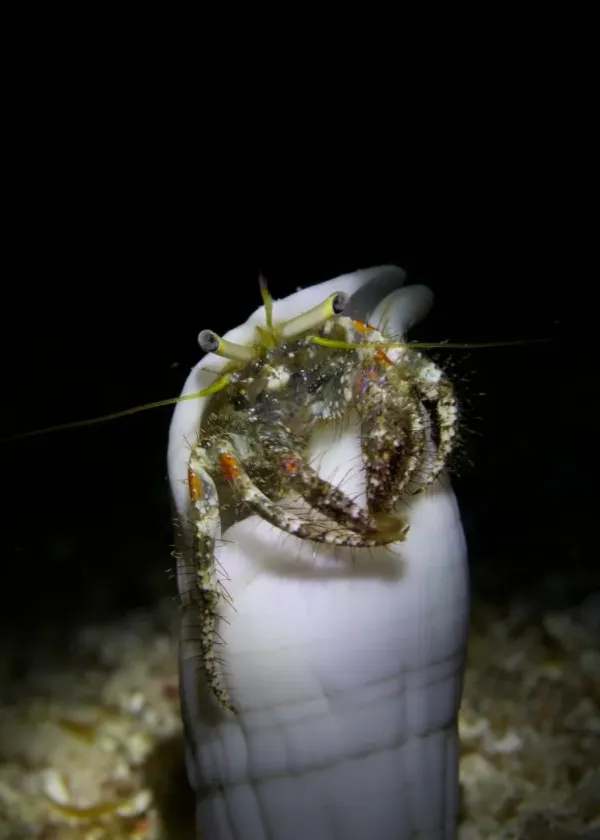
Descent. Depth. Waiting.
You hover above the underwater plateau and look into the blue. One minute. Two. Five. Nothing happens. A gentle current rocks you, bubbles drift upward, and it grows so quiet that you hear your own breathing — every inhale, every exhale, every pause between them.
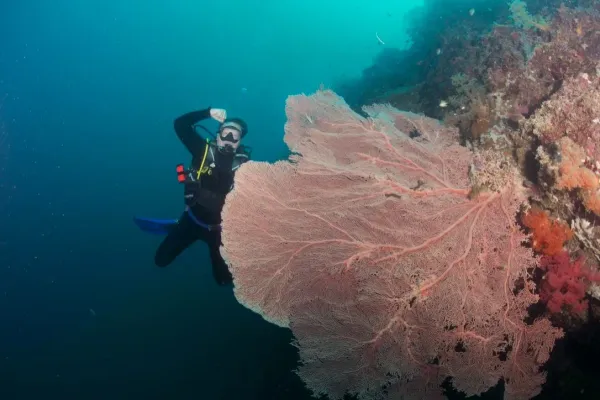
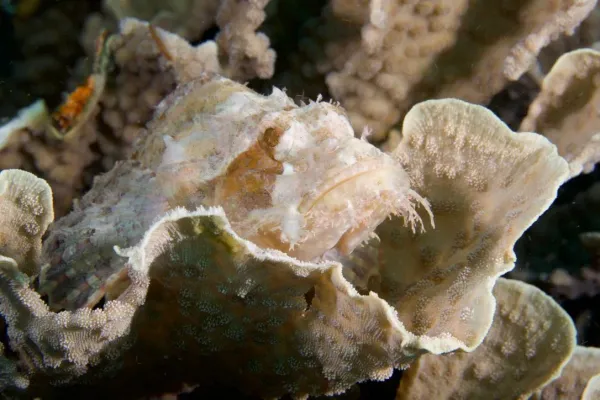
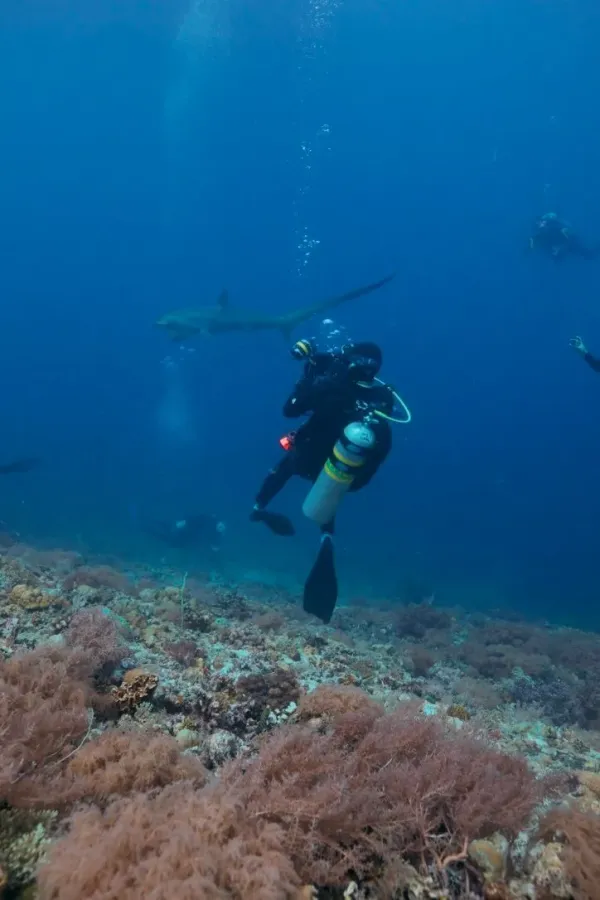
And then a silhouette rises from the depths.
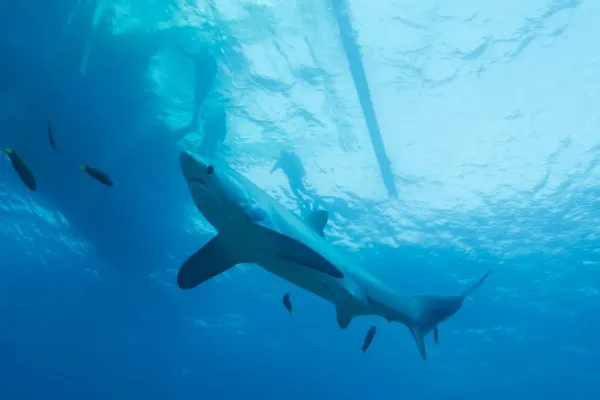
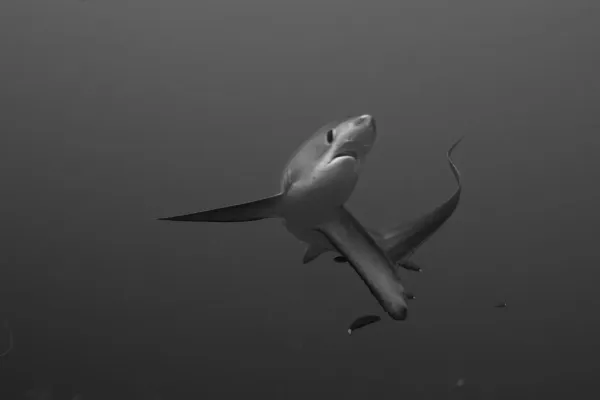
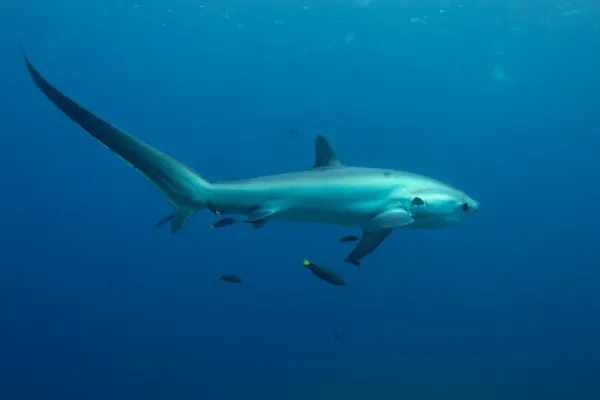
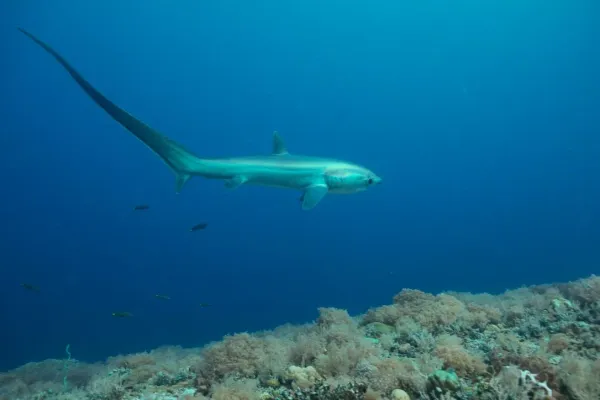
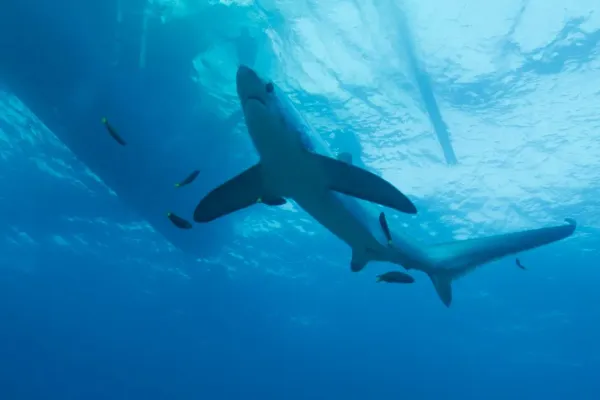
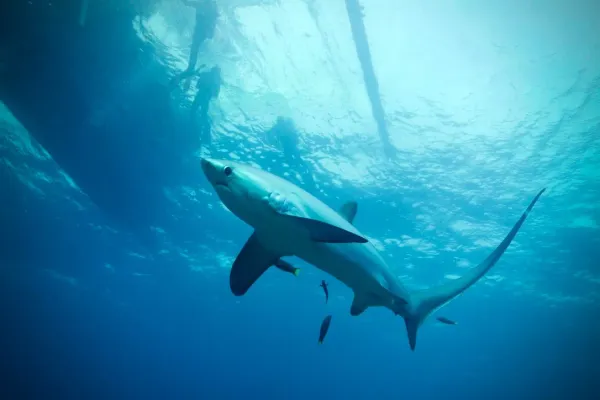
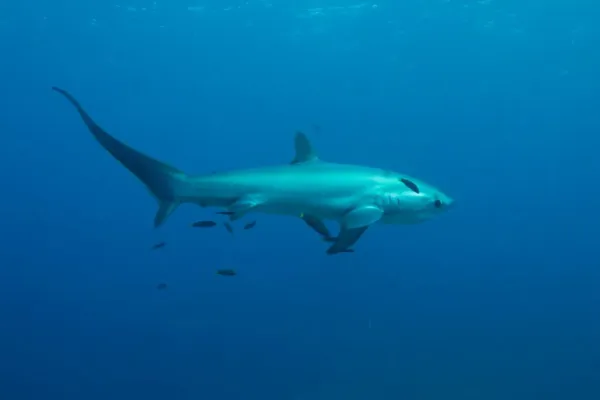
A thresher shark. With that tail — long as a scythe, impossibly elegant. It appears quietly, without fuss. It moves smoothly, as if in slow motion. Large eyes — dark, deep. It passes through the cleaning station where tiny cleaner fish pick parasites from its skin, and there is something so calm, so natural about it that you forget to breathe out.
It leaves as quietly as it came. Dissolves back into the blue. And you remain suspended in the water column with a single feeling: this was worth getting up in the dark for. This was worth flying halfway around the world for.
But the Philippines isn't only about diving. It's also about the life between dives. About the fabric that binds all these underwater stories into one large, complete journey.
Food. It turns out to be surprisingly fitting here — simple, hearty, with personality. After three dives in a day, when your body hums with exhaustion and salt water, a bowl of hot rice with something meaty and spiced is a small happiness that needs no Michelin stars.
Massages. After full days — when your legs ache from canyoning, your shoulders are knotted from fighting currents, and your neck is stiff from constantly swivelling underwater — an hour in a quiet room with your eyes closed brings your body back to life. The massage therapist's hands find every knot, every tension point, and you walk out feeling put back together.
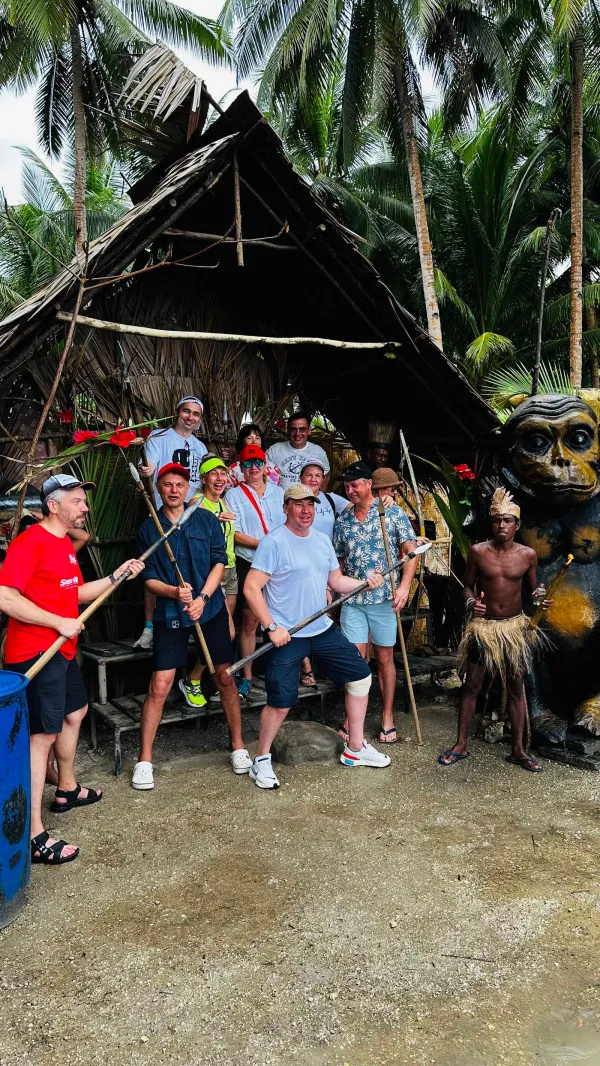
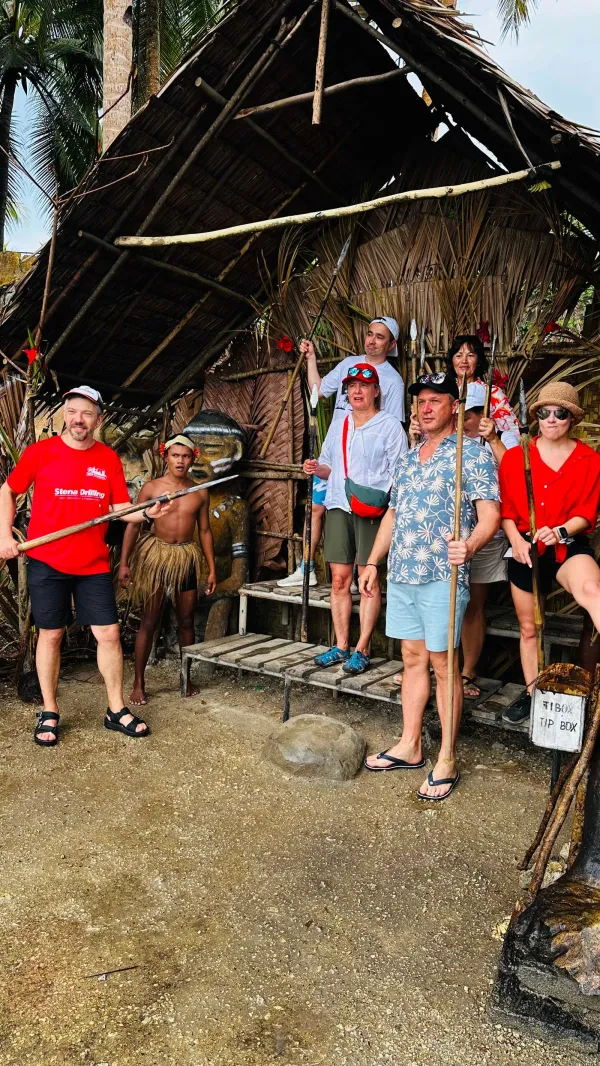
And the people. Filipinos. Those who make all of this — the boats, the food, the dives, the transfers — a little warmer than you expected. Smiles that don't look rehearsed. Help that arrives before you've even had the chance to ask. That ease in conversation which dissolves the last barriers and finally lets you relax completely.
In the end, the trip turned out to be not one story. But several at once. About movement — when a river carries you through a gorge. About water — when a creature the size of a house passes alongside you. About depth — both above the surface and below. About that silence found only at dawn, when you wait for a thresher shark to emerge from the blue.
And the most precise feeling after coming home — just one: you can't come here "just the once." Too much. Too varied. Too alive.
Too much left behind the frame.
And that, perhaps, is the main reason to come back.