Mozambique is yet another country on the African continent to add to our collection of travels. But it is a truly unusual place — much here sets it apart from most other African nations. Starting with the local language: people speak Portuguese! One thing remains constant, though — the wonderful impressions we brought home from the journey. And, of course, we are eager to share them with you!
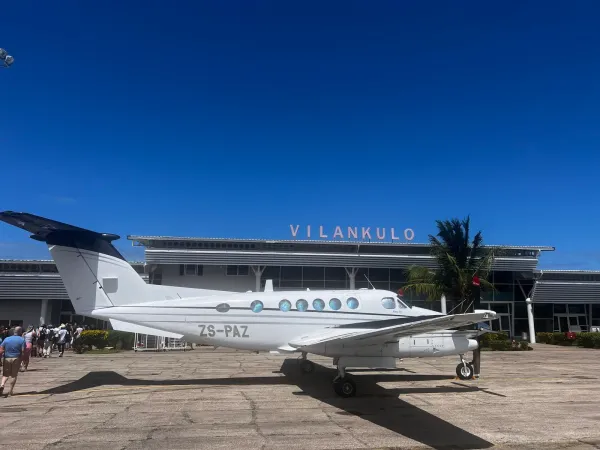
Early in the morning our plane touched down at the airport in Vilankulo. Out of habit, we decided on the way out to pick up a SIM card and exchange a little cash into local currency — just in case. After looking around, we discovered that there was neither a currency exchange desk nor any kind of counter anywhere in the entire airport building. We decided to "ask the locals," and made first contact with the townspeople — vendors in small shops selling cola and crisps.
When we asked about a SIM card, someone pointed a finger toward a beach umbrella not far from the exit, with a matching beach table and a young Black man in a clean but well-worn T-shirt. As for money, the lady from the crisp stall passed the question to another lady who sold pastries, who passed it along to another who sold simple souvenirs, and so on down the chain. In under a minute the signal reached the right person, and before us appeared a pitch-perfect replica of the street money changers from the 1990s — only darker-skinned — offering his services.
Alas, his appearance did not inspire enough confidence for us to take the deal, and we quickly made our excuses and moved on. We learned later that across nearly the entire country, this is essentially the only way to exchange your American dollars for their African currency. But at that moment, mildly disappointed and not having exchanged a single cent, we headed toward our transfer vehicle, loaded up our bags, and set off toward the ocean. As it turned out at the very first petrol station, card payments worked even in small and outwardly very humble shops, so exchanging cash was not really necessary after all.
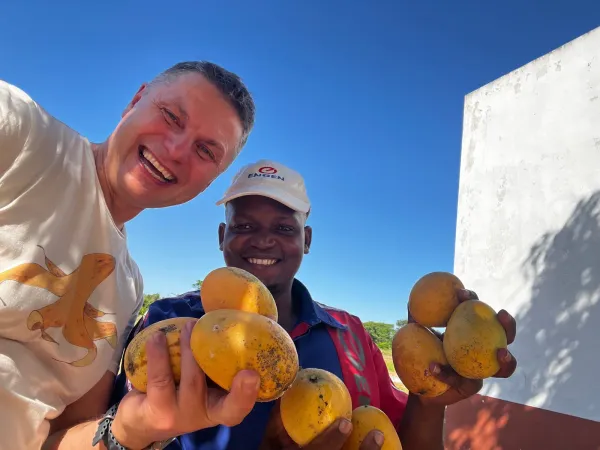
While the driver was refuelling, we noticed mango trees heavy with fruit, dropping their ripe sides like bombs right before our eyes. Unable to bear the tragic loss of such precious edible resources, we — like pale primates — first one by one, and then as a whole group, began creeping toward the beautiful and apparently free fruit. The scene must have amused the guys working at the station: they dropped their hoses and rushed over to help us, picking and selecting the finest mangoes. In that moment we were like children given their favourite treat. They handed us bags and washed some of the fruit, and the rest of the drive became considerably sweeter.
The entire drive to the sea took roughly four and a half hours. From the window we watched small towns, villages, and people's kitchen gardens drift past. Despite the obvious poverty of the local residents, all the streets, roads, and pavements were unusually clean and tidy. The familiar African image of "poor and dirty" simply does not apply to Mozambique. Poor, yes — but clean.
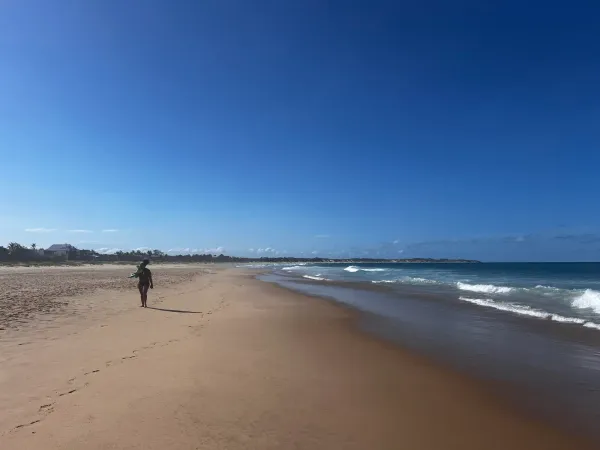
By evening we finally arrived in Tofo — a tiny town on the ocean shore. Our hotel was perched on a picturesque hill right at the water's edge, with a view of an incredibly beautiful, almost endless beach and the ocean beyond. And we had several days ahead of us to dive into it.
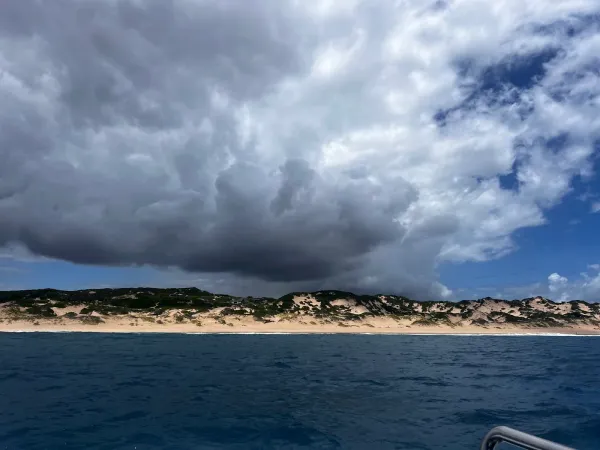
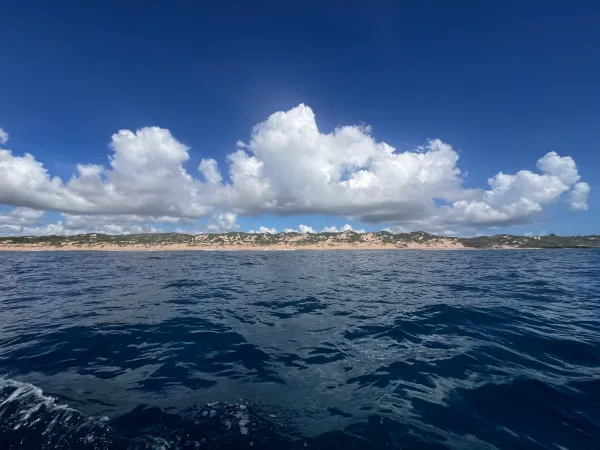
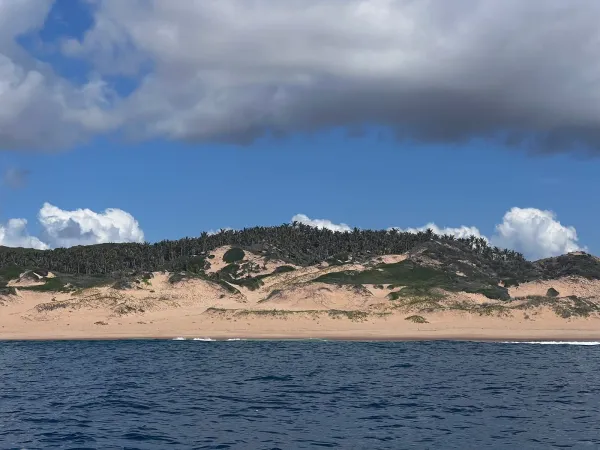
The daily programme was completely standard for trips like this: a tasty, wholesome breakfast, packing up gear, a briefing, and loading onto the boats. Large inflatable boats with powerful engines are used to get out to sea here. Punching through the surf is a little spicy but not at all difficult.
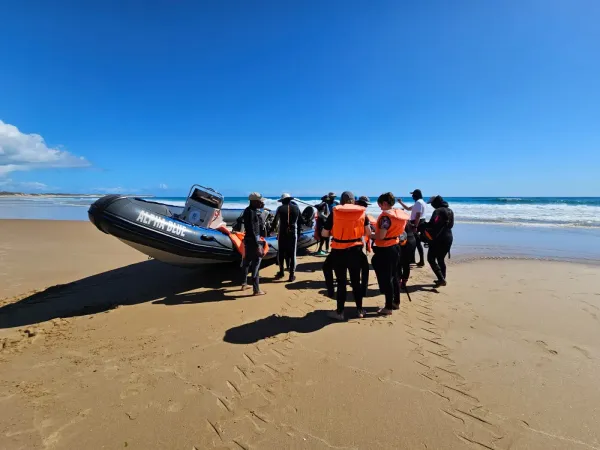
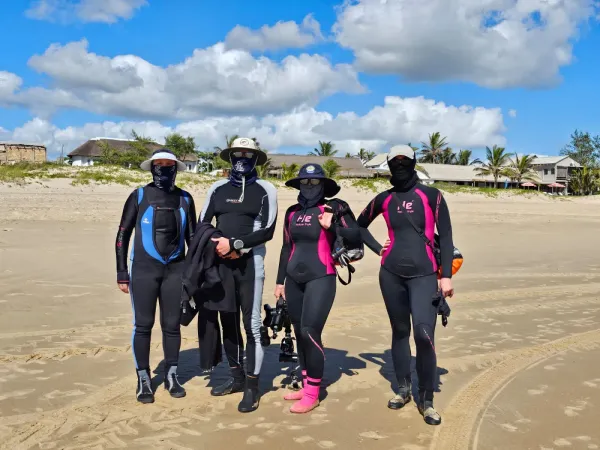
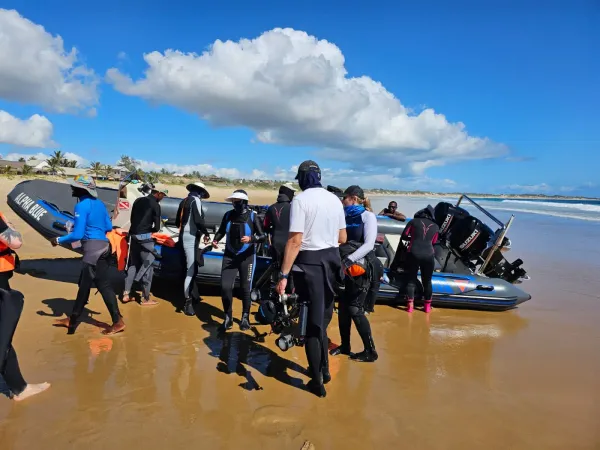
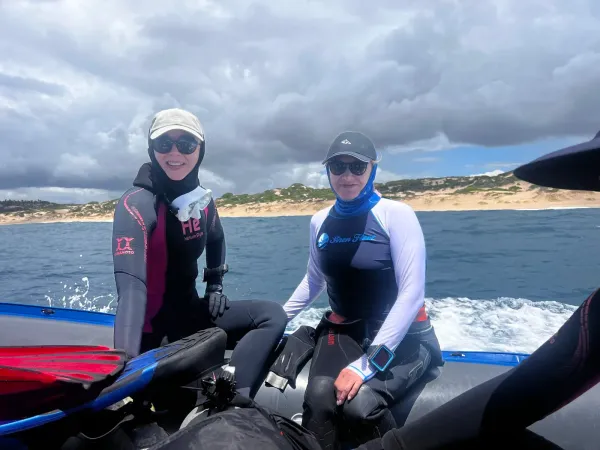
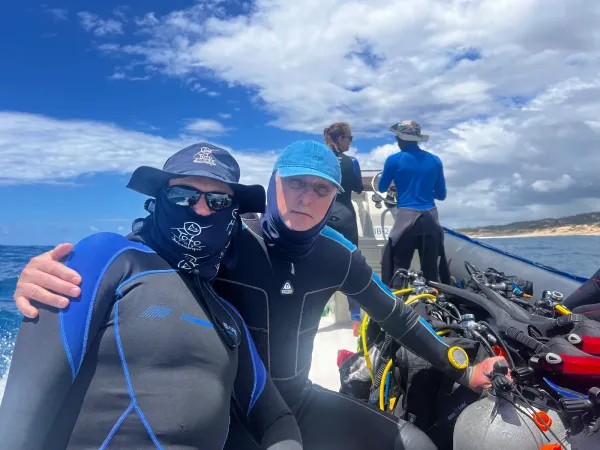
The diving here is far from ordinary. Most of the main reefs start at depths of 12–14 metres, and sometimes deeper. The boat arrives by GPS at a given set of coordinates — no reef is visible at the surface. The dive guide gives the signal, the divers roll into the water, and descend immediately through the water column to the target depth. Only there, at the bottom, do they reach the top of the reef. There are always two guides: one invariably swims with a reel and a surface marker buoy so that the surface watch can always see where the group is.
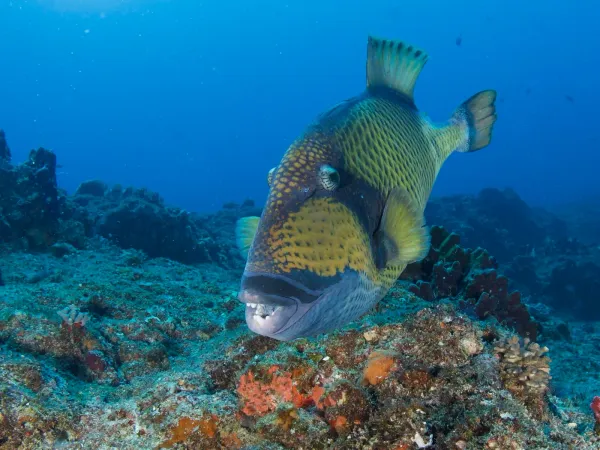
Visibility is also a surprise — it can swing from crystal-clear Red-Sea quality to a murky, shadowy haze within the course of a single day. The marine life on the reefs is indescribably rich, and the fish all look positively rotund, like subjects from the paintings of Fernando Botero.
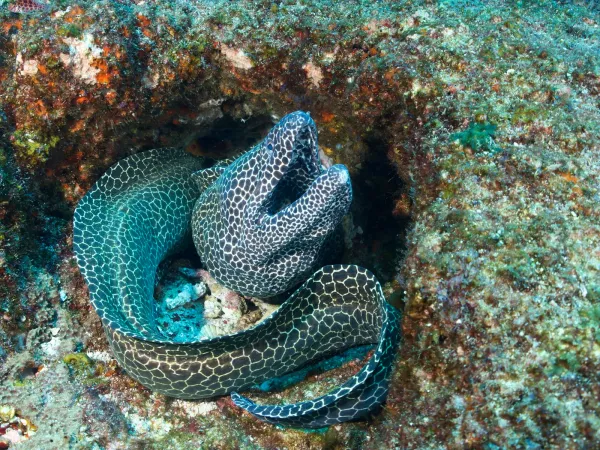
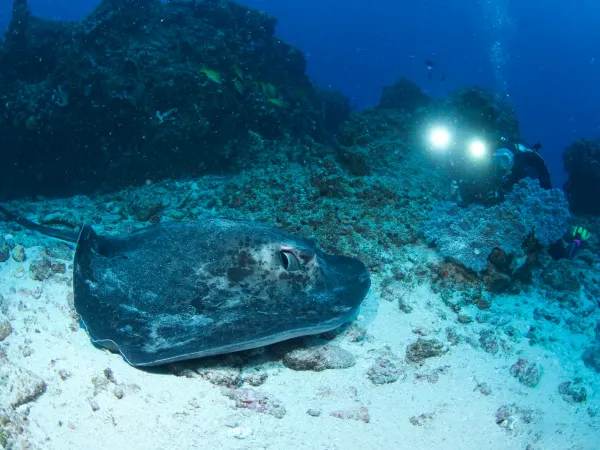
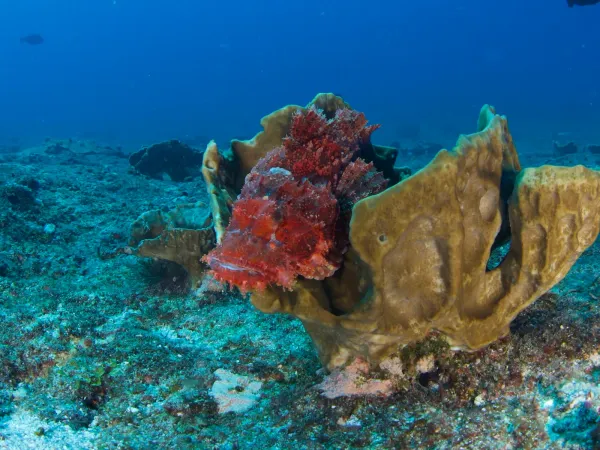
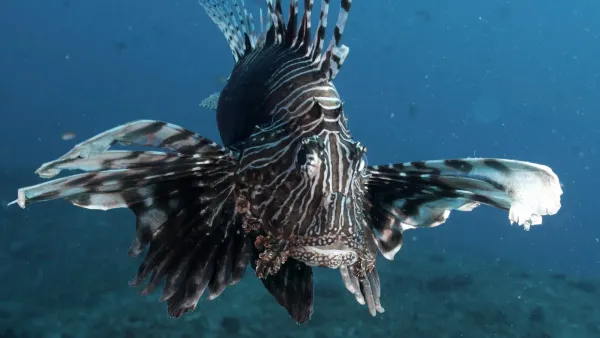
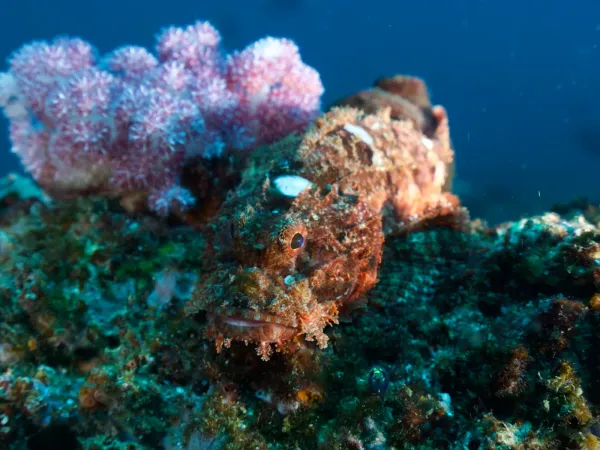
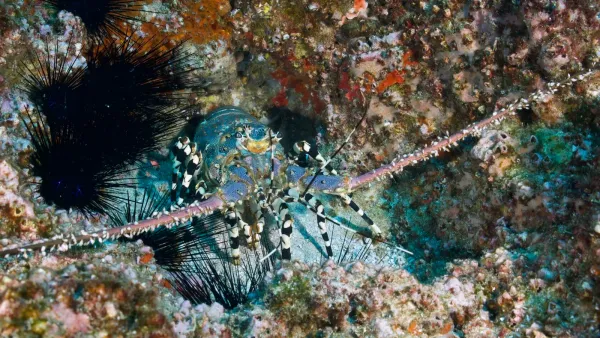
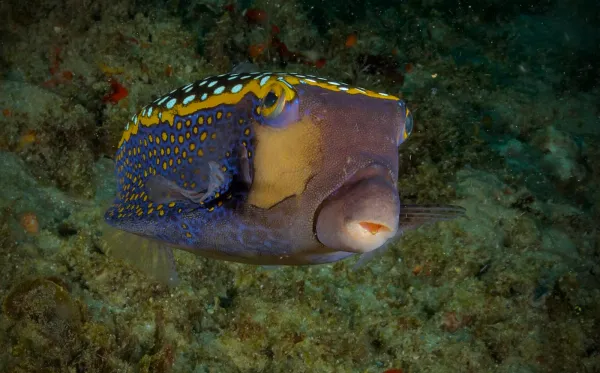
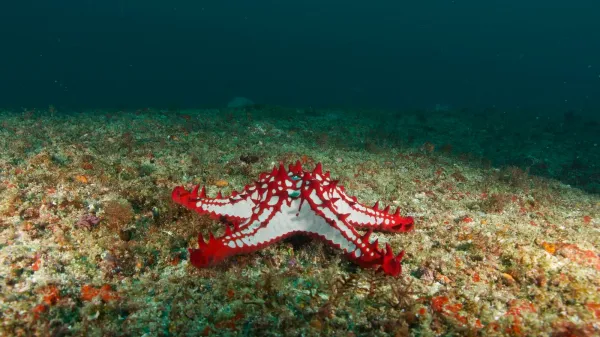
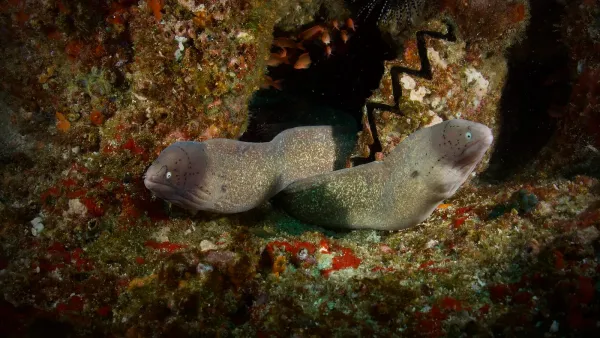
Every dive carries a sense of anticipation: you never know who you might meet in the next moment — you could come across an oceanic manta ray, a massive stingray, a sand shark, a guitarfish, or any number of other fascinating underwater inhabitants. Smaller but no less extraordinary creatures were plentiful too: moray eels, lionfish, boxfish. From January through March, diving here will satisfy even the most seasoned underwater explorer. Everyone in our group was absolutely delighted!
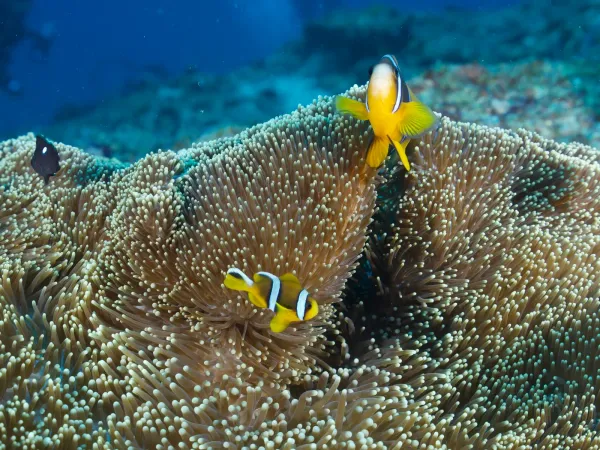
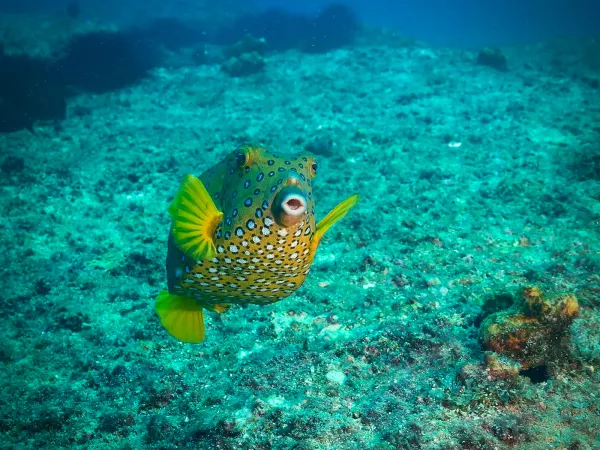
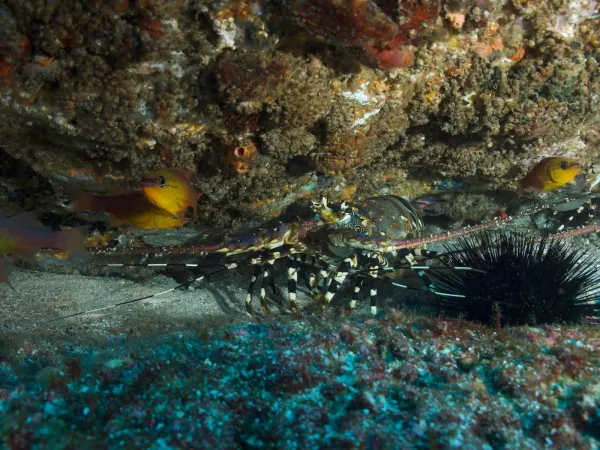
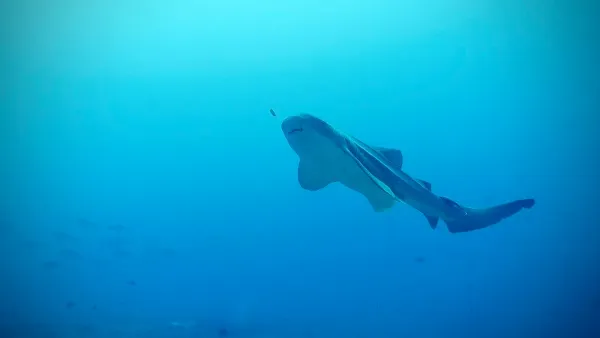
We did several dives each day, and in the evenings we went out to sample dinner at local restaurants — small and wonderfully cosy. This daily indulgence complemented our stay perfectly.
Very little time has passed since we returned home, yet we already want to go back. We hope to visit these beautiful places once more.