Open a map. Place your pins: Hanoi, Lima, Buenos Aires, Bogotá, Marrakech. Now open the list of countries where Michelin arrived in the last three years. A coincidence is when two events happen to occur at the same time. A pattern is when five events point in the same direction.
In 2023 — Vietnam: a three-dollar bowl of phở with a Michelin star. That same year — Morocco: tagine, couscous, spices stacked in cones at the bazaar. And Peru — Central, the world’s #1 restaurant, a menu organized by altitude above sea level.
In 2024 — Argentina: six stars in Mendoza, a 28-day dry-aged steak at Don Julio, an 18-course surprise at Aramburu. And Colombia: leafcutter ants as a delicacy, Caribbean recipes from grandmother’s kitchen.
Five countries in three years. All five — in our catalog of routes.
Five countries. Three years. One route. Michelin goes where we’ve already been taking people. Coincidence? Or do they see the same thing we see?
The shift
For seventy years, the red guide existed in three coordinates: Paris — Tokyo — New York. Fine dining meant a white tablecloth and a menu in French. The chef — a Le Cordon Bleu graduate. The sommelier — in a three-piece suit. The bill — with three zeros.
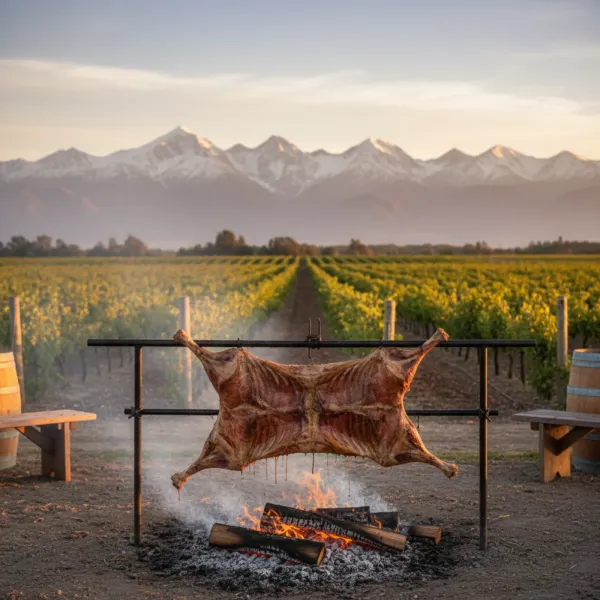
And then the inspectors — people who’d spent their lives eating at the world’s best restaurants — went to places they’d never looked before. And discovered that the best food on the planet wasn’t hiding behind marble facades. It was behind the palace walls of Marrakech. At 4,100 meters in the Andes. On an asador cross in the middle of a vineyard. In volcanic stone cookware.
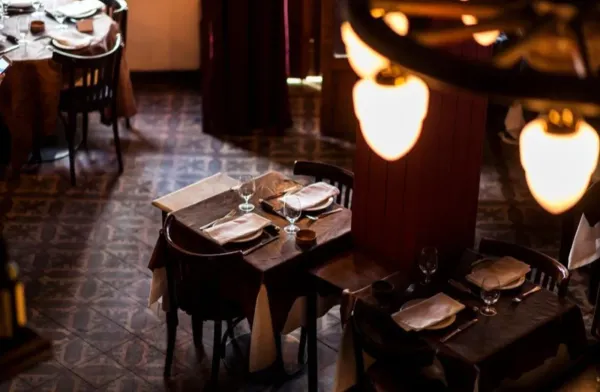
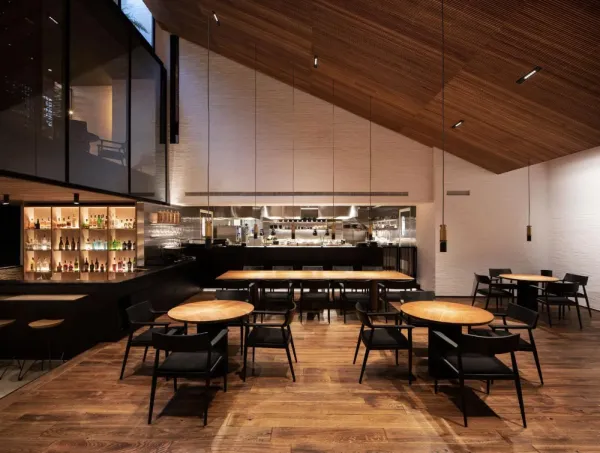
The center of gastronomy has shifted. Not to London and not to Copenhagen — to places you have to fly to. A long way. Far. With layovers. Places you don’t drop by on the way. Places that require a decision.
And here’s the paradox: the world’s best restaurants are now in places where people don’t fly for the restaurants. They fly for Patagonia’s glaciers, for Machu Picchu, for Angkor, for the Sahara, for the Great Barrier Reef. And Michelin is a bonus. The cherry on top — you don’t have to add it, but with it, everything reaches another level.
What this means in practice
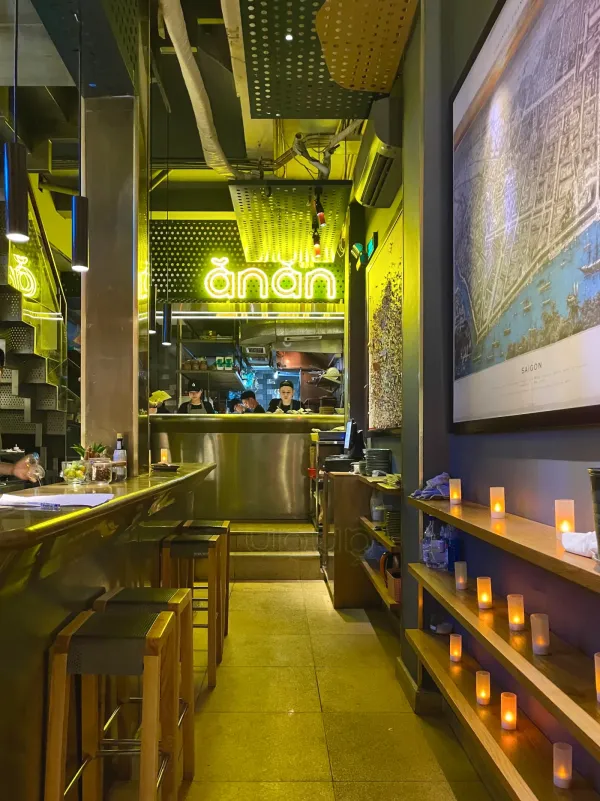
Phở in Hanoi. Twelve-hour broth — beef bones, star anise, charred ginger. A plastic bowl. Three dollars. A Michelin star.
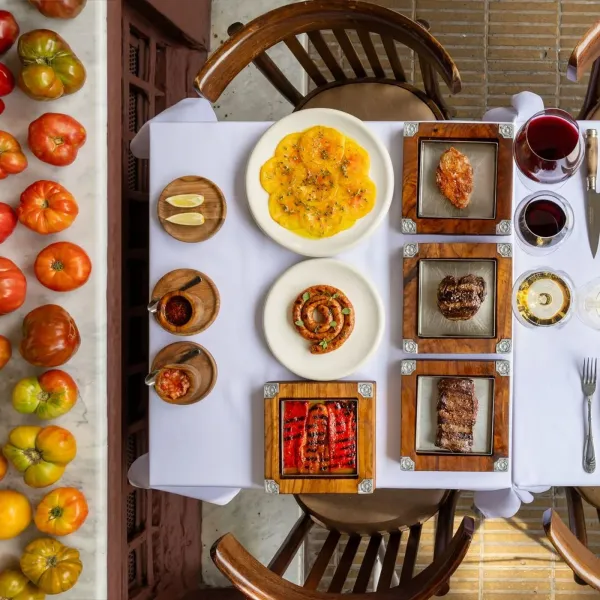
Steak at Don Julio. 28 days of dry aging. Wood — not charcoal. Regenerative ranching. Tenth in the world. Book two months out.
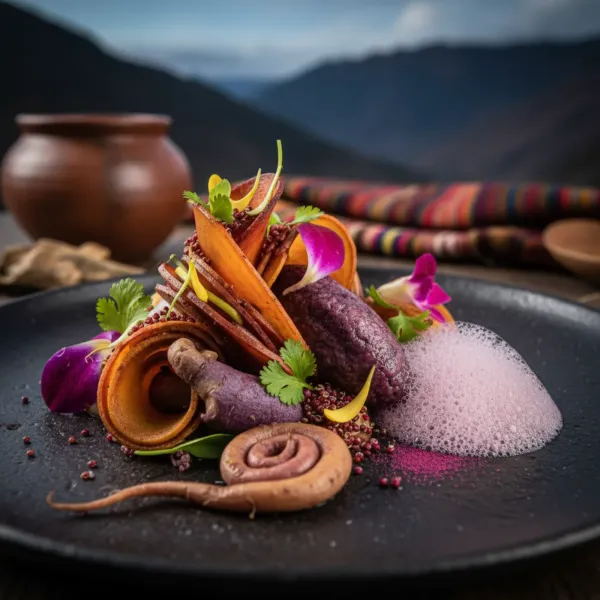
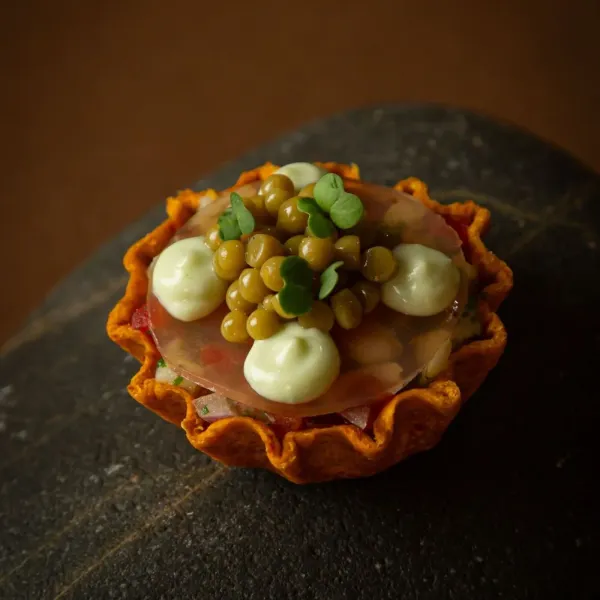
Tasting at Central. Each dish — from a specific altitude. A research center attached to the restaurant. #1 in the world. 30 seats in the dining room.
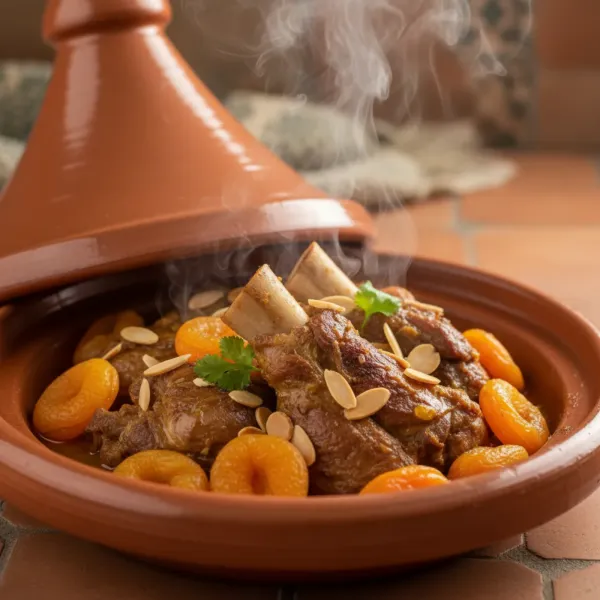
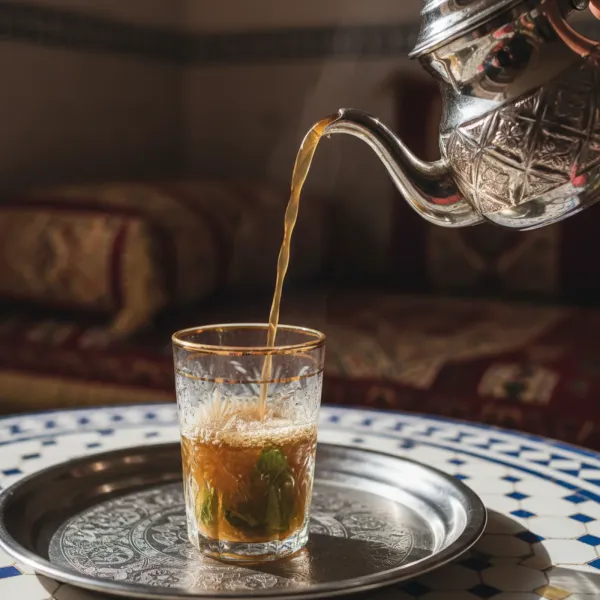
Tagine at the Royal Mansour. The same recipe as the medina around the corner. But the lamb — a specific breed. The saffron — from a specific field. A palace designed by a king.
Lamb on the cross in Mendoza. Four hours over coals. A bottle of Malbec from the barrel — 100 Parker points. A sunset that turns the mountains pink. Vineyards to the horizon.
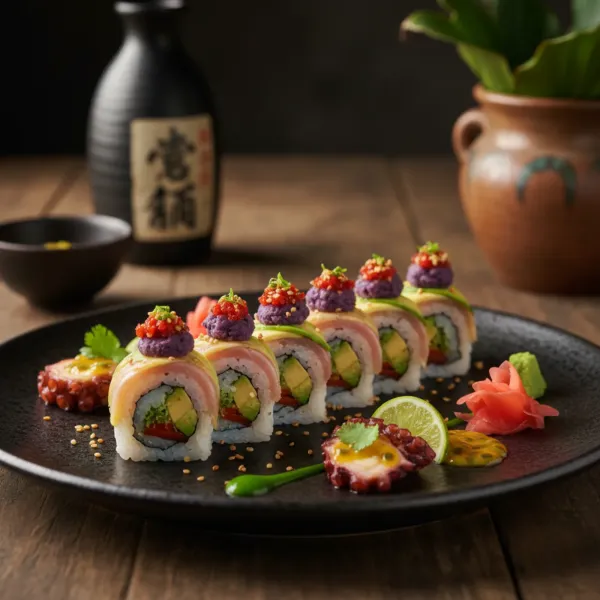
Ants at Léo. Leafcutters from Santander. They crunch. They smell of forest and peanuts. A Michelin star — for something that doesn’t appear in any culinary textbook.
Not a food journey
A “food journey” is six restaurants in three days with transfers in between. An expedition is glaciers, deserts, jungles, mountains, ocean. And the food is part of the route. It changes your idea of flavor — but it’s a part. Because what matters is the scale. The world. The distance. What happens to you when you find yourself on the other side of the earth.
Vietnam and Cambodia — 11 days, from $1,630. Hanoi, Ha Long Bay, Angkor Wat. Michelin restaurants within walking distance of the hotel.
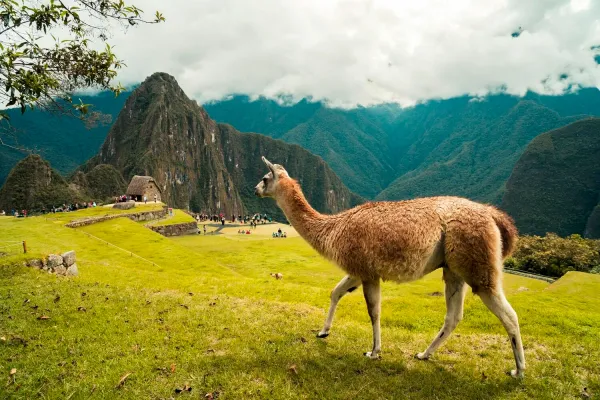
Peru — 11 days. Lima, Nazca, Machu Picchu, Rainbow Mountains, Titicaca. Central, Maido, Kjolle — twenty minutes from the hotel.
Colombia — 11 days. Bogotá, the Amazon, Medellín, Cartagena. Three Michelin restaurants — three cities on the route.
Morocco — October 2026. Chefchaouen, Fez, the Sahara, Marrakech. “Wine and Gastronomy” — a dedicated highlight of the itinerary.
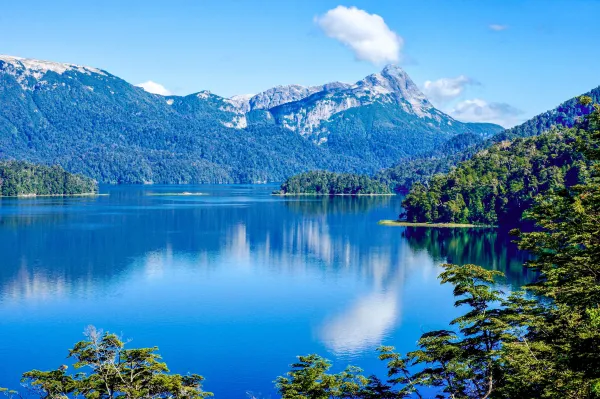
Argentina — March 2027. 15 days. $7,570. Patagonia, Tierra del Fuego, Torres del Paine, an estancia in the pampas, Mendoza wineries, Michelin restaurants of Buenos Aires. Group — 11 people.
One detail
Michelin doesn’t sell journeys. Michelin sells tires. Its guide is a marketing tool invented in 1900 to get people to drive more and change their tires more often. In 126 years, that tool became the world standard of gastronomy. And now that standard points to the same spots on the map as our catalog.
We didn’t choose these countries because Michelin was there. Michelin came to these countries because they have what’s worth flying for. Glaciers, volcanoes, jungles, deserts, reefs. And cuisine born at the intersection of nature and culture — where the land dictates what to grow, fire dictates how to cook, and a thousand years of tradition dictates how to serve.
The question isn’t whether it’s worth it. The question is — when.
A group of 11 people. One route. A place for those who aren’t daunted by distance.