On the menu at Léo in Bogotá, there’s a dish made of ants. Real ones — big, fat leafcutter ants from the department of Santander. They’re gathered by hand during the rainy season. They crunch. They smell of forest floor and roasted peanuts. They don’t appear in any cookbook in the world.
Leonor Espinosa — a chef who spent twenty years collecting ingredients that don’t exist on any map. Amazonian fruits that nobody in Bogotá had heard of. Caribbean seaweed that fishermen threw away. Grains from Pacific jungles that indigenous communities had used for centuries, but no Colombian restaurant considered food.
Espinosa traveled to them — to the Amazon, to the Pacific coast, to Caribbean villages. She recorded recipes. Brought back samples. Built a “cyclo-biome” system — a menu based on Colombia’s five natural regions: Andean, Amazonian, Caribbean, Pacific, Orinoco. Each dish — from a specific biome. Each ingredient — with specific coordinates.
In 2022, she was named the world’s best female chef. In 2024, Michelin came to Bogotá — and gave her a star.
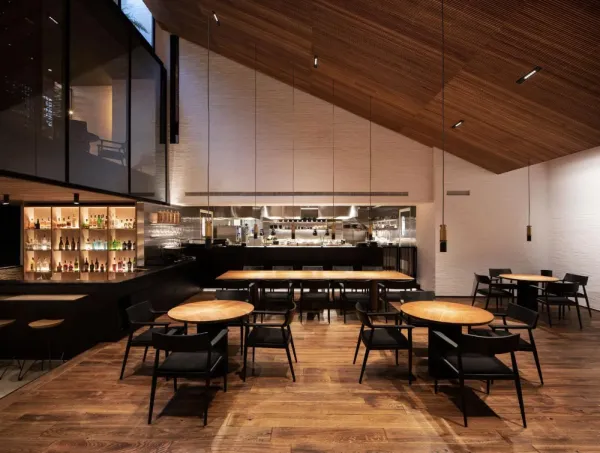
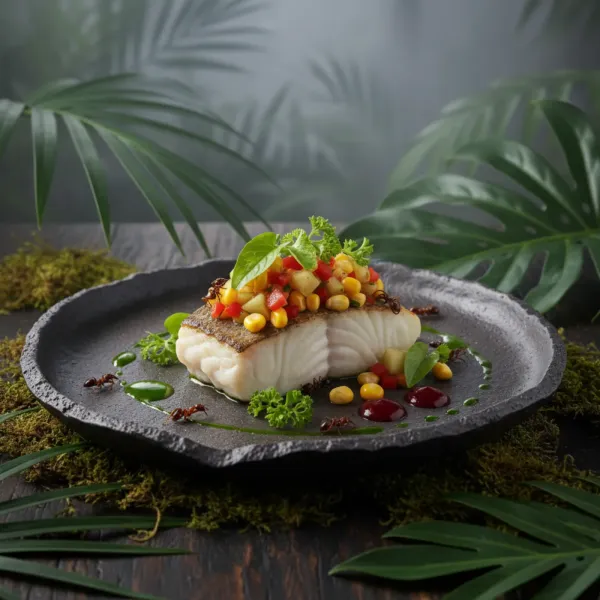
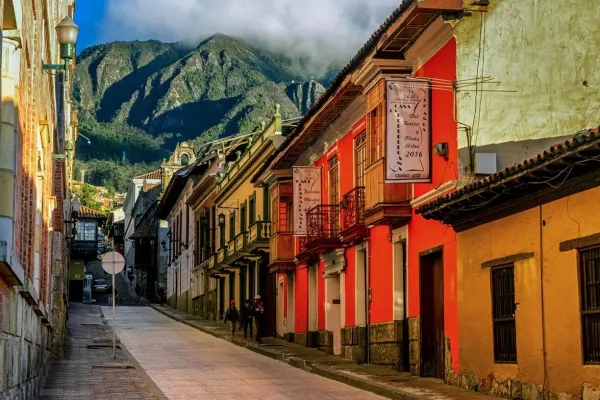
Leafcutter ants, nameless Amazonian fruits, seaweed that fishermen discarded. Twenty years of searching. Michelin gave her a star. But the star turned out to be smaller than what she found.
Colombia: the second most biodiverse country on the planet
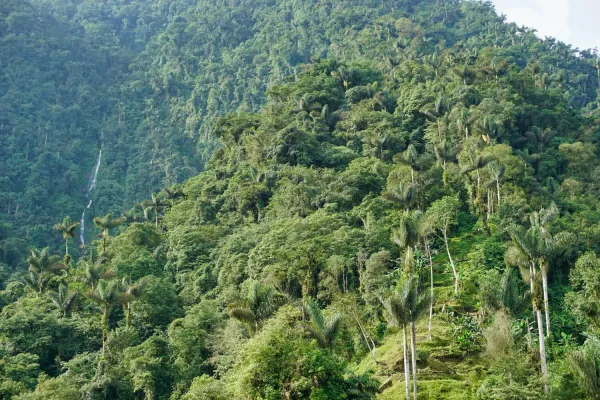
Colombia is the country with the world’s second-highest biodiversity after Brazil. 311 types of ecosystems. Pacific mangroves and Andean páramos, Amazonian jungles and Caribbean reefs, Orinoco savannas and cloud forests — all in one nation. All of it — on the plate. Not as a metaphor. Literally.
El Chato — Bogotá’s second star. Chef Álvaro Chas works differently — no ants, no ethnographic extremes. He takes classic Colombian products — yuca, plantains, corn, beans — and turns them into food that silences the table. His suppliers are small-scale farmers from outside Bogotá, people he’s worked with for years. Every one of them knows Álvaro by name.
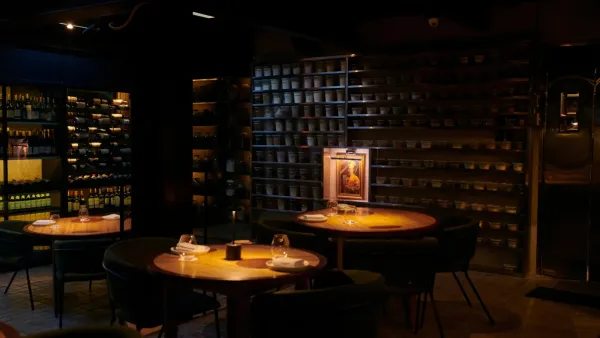
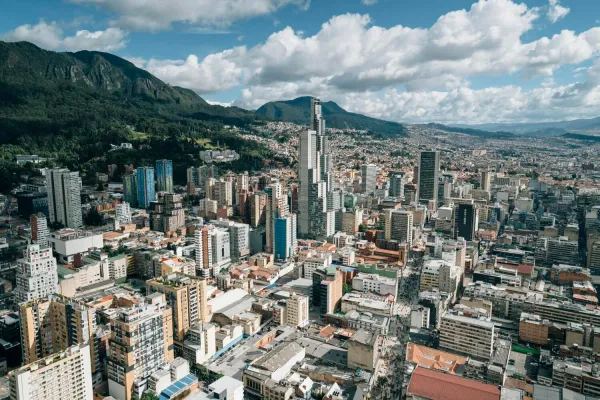

The third star — Celele, in Cartagena. The Caribbean coast, a completely different Colombia: hot, salty. Chef Jaime Rodríguez studies Caribbean-Colombian recipes — the kind grandmothers passed down to granddaughters in kitchens with concrete floors. Coconut rice. Seafood in coconut milk. Food that smells of sea and palm trees, and that until recently was considered “simple” in Bogotá. Michelin thought otherwise.
Three restaurants, three stars, three approaches. Invention, tradition, heritage. And all three say the same thing: Colombian cuisine exists as a self-contained gastronomic universe — with ingredients found nowhere else on the planet.
Our journey through Colombia: Bogotá, the Amazon, Medellín, Cartagena. Léo and El Chato — within walking distance of the hotel in Bogotá. Celele — in Cartagena, the final stop on the route. Three Michelin restaurants — three cities — one journey.
Morocco: a thousand years on a slow flame
If Colombia is invention, then Morocco is inheritance. A cuisine a thousand years old — one that for those thousand years needed no guide at all.
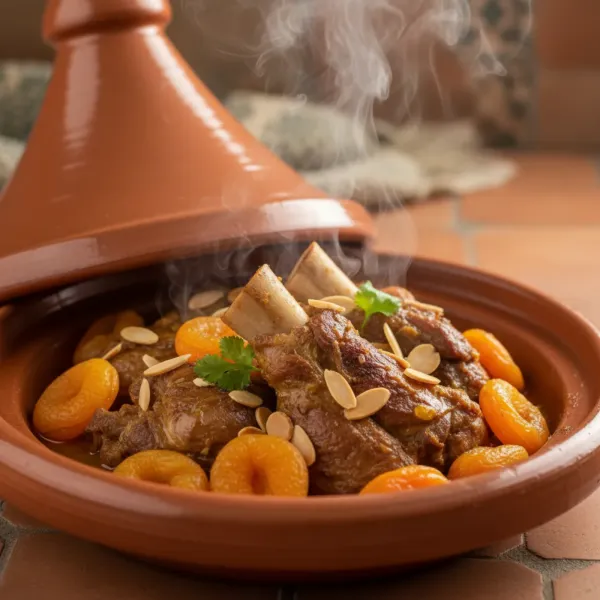
Tagine. A conical clay pot in which meat with vegetables and fruit simmers for three to four hours on the lowest heat. Steam rises, condenses on the cone of the lid, and flows back down. A closed loop: not a single drop of moisture is lost. Lamb with dried apricots and almonds. Chicken with olives and preserved lemon. Beef with prunes and sesame. Every family — their own tagine recipe. Every recipe — an oral tradition, passed down without a single written word.
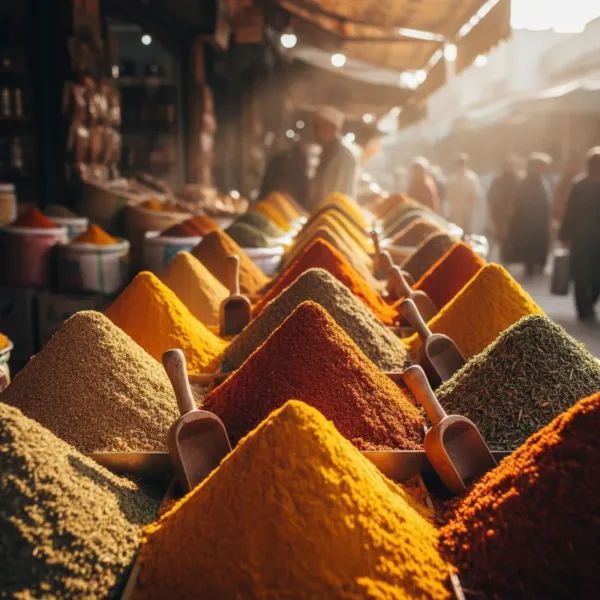
Ras el hanout — “head of the shop.” A blend of 30 or more spices, the proportions of which each market trader guards as a family secret. Cinnamon, cardamom, nutmeg, clove, black pepper, ginger, turmeric, rose — and another two dozen ingredients that vary from stall to stall. Buying ras el hanout is easy. Replicating it is impossible: no trader will reveal the recipe.
Pastilla — a pie of pigeon meat with almonds, dusted with powdered sugar and cinnamon. Sweet and savory in a single dish — a concept that European cuisine began exploring in the 21st century, while Moroccan cuisine has practiced it since the 12th. Harira — a soup of lentils, chickpeas, and tomatoes, traditionally the dish that breaks the fast during Ramadan. The first spoonful after sunset — a ritual that unites the country.
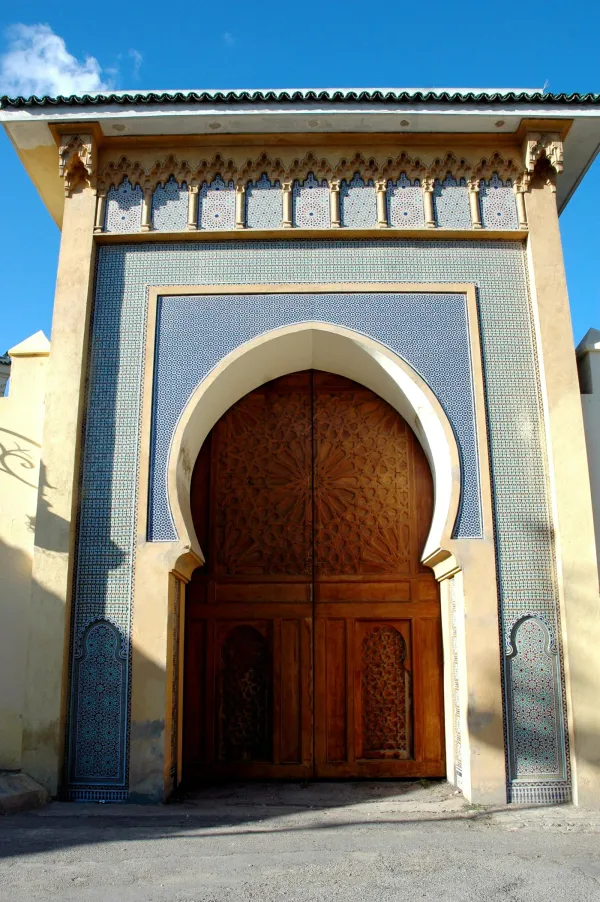
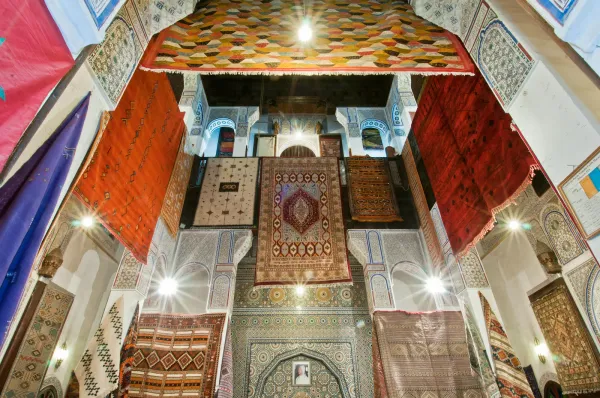
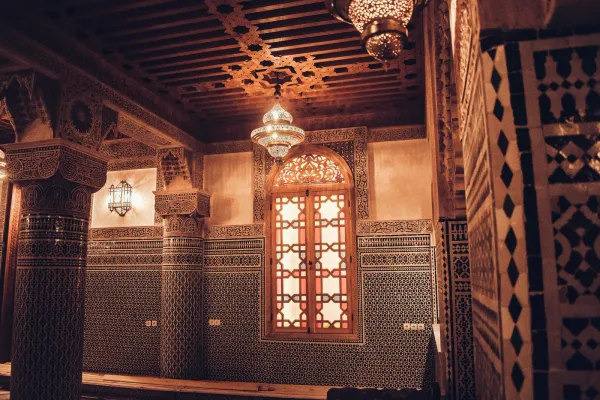
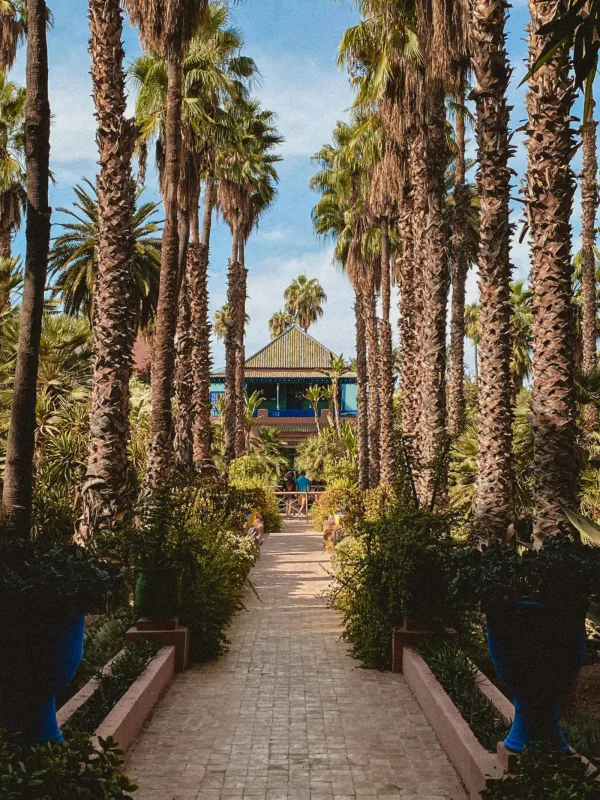
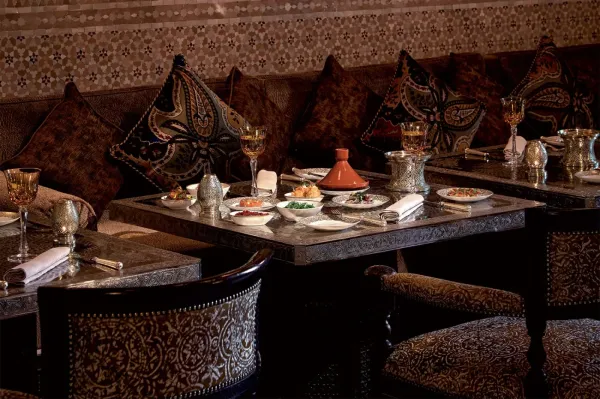
La Grande Table Marocaine at the Royal Mansour, Marrakech — a Michelin star. A palace designed personally by King Mohammed VI. The interior: zellige (mosaic of thousands of hand-cut tiles), carved cedar, silk cushions, onyx tables. Here they serve the same cuisine as the medina around the corner — but in a different setting. The same tagine, the same spices, the same technique. The difference is in the details: the lamb — a specific breed, from a specific farm. The saffron — from Taliouine, from a specific field. The almonds — from a tree whose age the chef knows.
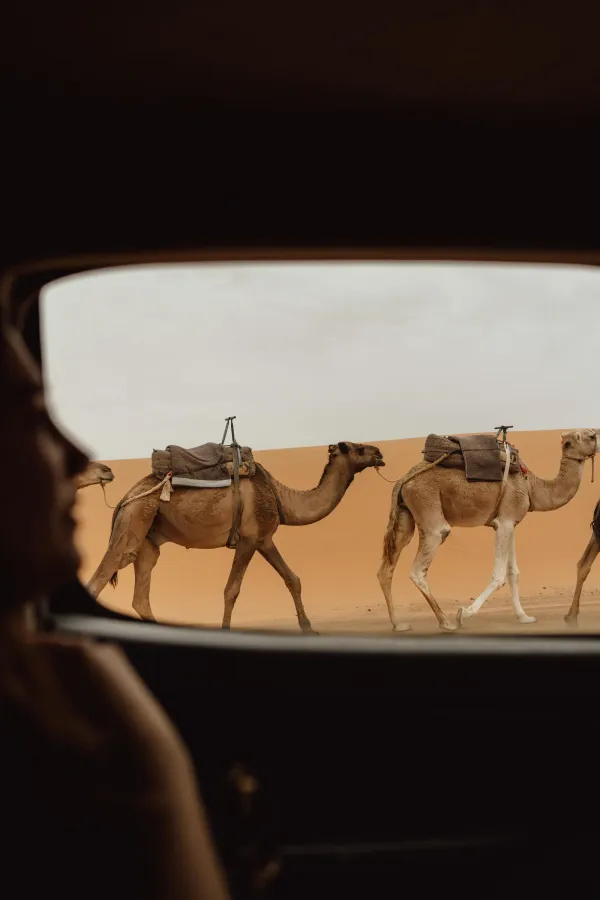
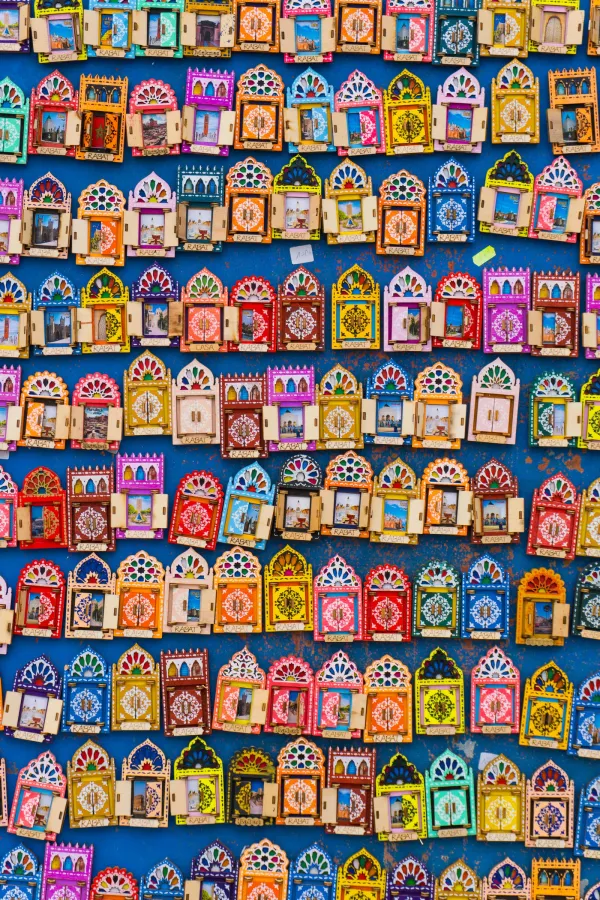
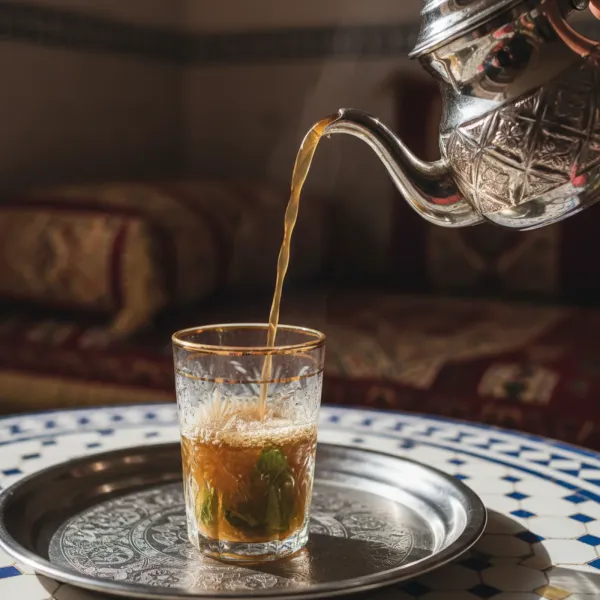
The Fez medina — the largest pedestrian zone in the world. 9,000 alleyways where GPS doesn’t work. Leather tanneries operating with 12th-century techniques. The smell of freshly tanned leather, mint, cedar shavings, and fresh bread — simultaneously, in a single alley. Morocco is a country where gastronomy is inseparable from craft, architecture, religion. Here you can’t just “go eat” — you can only enter a culture. Through a door, through a scent, through the first sip of mint tea.
Our journey through Morocco — October 2026. Chefchaouen, Fez, the Sahara, Marrakech. On the itinerary — “Wine and Gastronomy” as a dedicated highlight of the route.
Colombia and Morocco — two poles of the same shift. One country invents cuisine from ingredients that didn’t exist. The other preserves a cuisine that has existed for a thousand years. Both received stars. Both are in our catalog of routes.
The question remains: is this a coincidence — or a pattern? Five countries. Three years. One route. Michelin goes where we’ve been taking people all along.