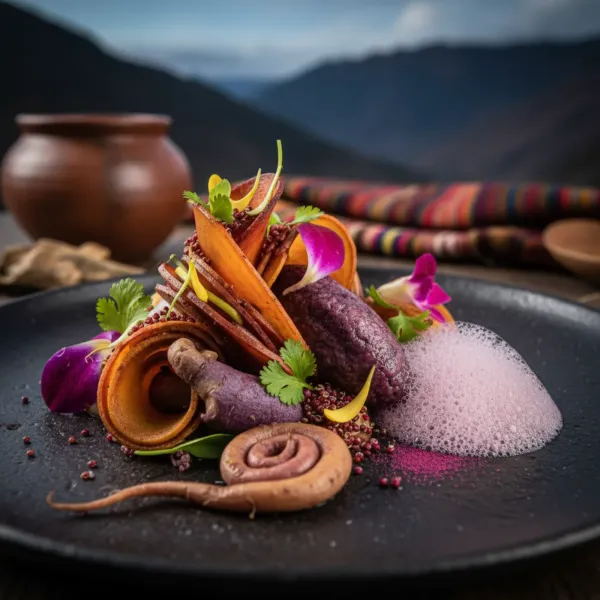
On the plate — a tuber that looks like a chunk of volcanic rock. Next to it — three leaves that don’t appear in any European botanical reference. Beneath the dish — a card: “4,100 meters.” Not a price. Not a weight. The altitude where this tuber grew.
November 2023. Michelin inspectors arrive in South America for the first time. Not in Buenos Aires — the Argentines were sure they’d start there. Not in São Paulo. The inspectors fly to Lima.
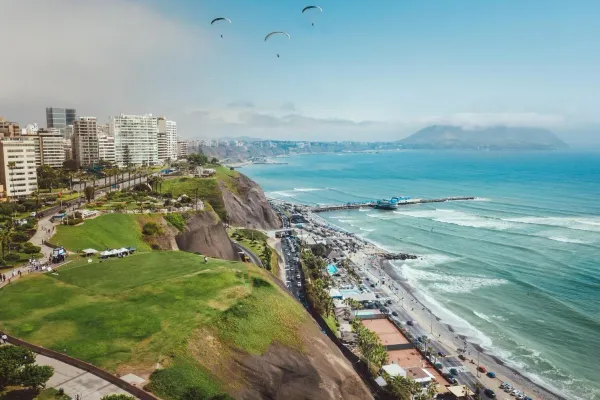
A city on the Pacific coast, from which you can climb four thousand meters in four hours. A city that in ten years transformed from a gastronomic backwater into the epicenter of the boldest cuisine on the planet.
The result: two stars — Central. Two stars — Maido. One — Kjolle. Lima received more two-star restaurants than Buenos Aires would later get.
Central: a menu organized by altitude
Virgilio Martínez. A quiet man with an Andean tan — from the sun that scorches at three thousand meters. He studied in London and Canada, worked in Europe’s best restaurants — and came home. Not because he couldn’t stay. Because he realized: his ingredients were here.
Martínez asked a question no one had ever put on a plate before: what if you organized a kitchen not by flavors, not by textures — but by altitude?
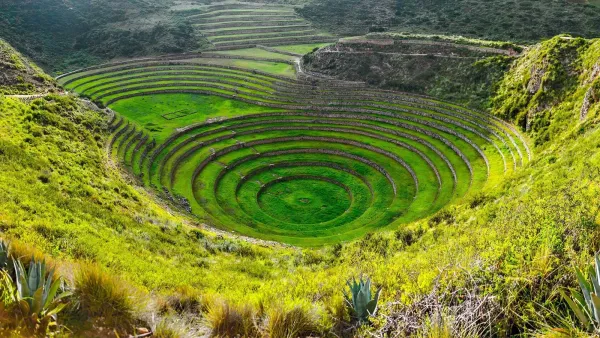
Each dish — from a specific elevation. Ocean seaweed from sea level. Tubers from four thousand meters. Between them — twenty ecosystems in a single tasting menu. Who is this chef who turned Peru’s vertical axis into the horizontal plane of a plate?
Central — #1 on the World’s 50 Best Restaurants 2023 list. Two Michelin stars. A tasting menu — from the coast to the highland plateaus. Each course is marked with its altitude. “–10 m” — seaweed and mollusks from the cold Pacific. “350 m” — corn and herbs from coastal valleys. “2,800 m” — quinoa and Andean roots. “4,100 m” — bitter potato from plateaus where breathing is hard and vines don’t grow.
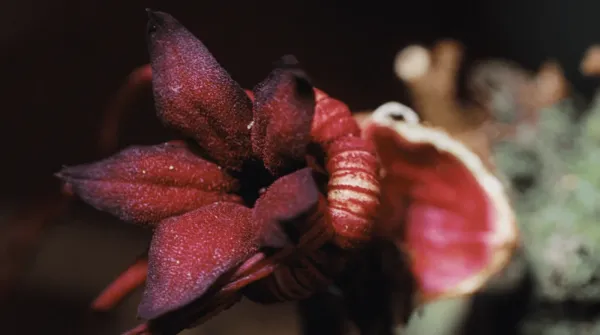
Attached to the restaurant is the research center Mater Iniciativa. A team of botanists, anthropologists, and chefs that travels across Peru documenting ingredients unknown even in Lima. Highland tubers that the Incas freeze-dried and stored for decades — chuño, a lyophilized potato whose technology NASA is studying for Mars missions. Amazonian fruits with untranslatable names: caigua, lucuma, camu-camu — the last one contains 60 times more vitamin C than an orange.
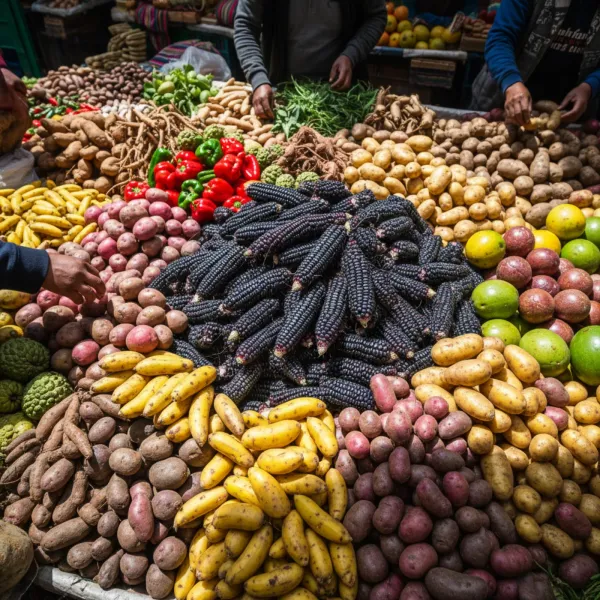
Peru has more than 3,000 varieties of potato. Three thousand. In Europe, a potato is a tuber you peel and boil. In Peru — it’s an entire universe: purple, red, yellow, black, bitter, sweet, starchy. Some varieties grow only on one slope of one mountain. 55 varieties of corn — kernels the size of grapes. Martínez uses nothing imported. Everything comes from Peru. Everything — with specific coordinates.
A table at Central books three to four months in advance. The tasting menu runs about $200 per person. By the standards of the world’s two-star restaurants — affordable. By Lima’s standards — an event. The dining room holds 30 people. Two seatings per evening. 60 guests a day. Over a year — roughly 20,000 people get into the world’s best restaurant. The planet has eight billion. The math is simple.
Maido: when Japan met Peru
Mitsuharu Tsumura — a Peruvian of Japanese descent. His grandfather came to Lima in the early 20th century with the wave of Japanese immigration that brought soy, ginger, and the principle of “umami” to Peru. Tsumura grew up in Lima, left to study in Osaka, worked in Tokyo’s restaurants — and came back. Like Martínez. Like all the great Peruvian chefs: they leave, they learn, and they return. Because the ingredients are here.
Maido is Nikkei cuisine. A Japanese-Peruvian fusion with more than a century of history. This isn’t “sushi with avocado.” It’s a distinct tradition born in the port of Callao, where Japanese fishermen caught the same fish as Peruvian ones — and prepared it their own way. Raw tuna marinated in soy sauce and lime at the same time. Ceviche with yuzu. Tiradito — Peruvian sashimi with a sauce of ají amarillo, the yellow Peruvian pepper.
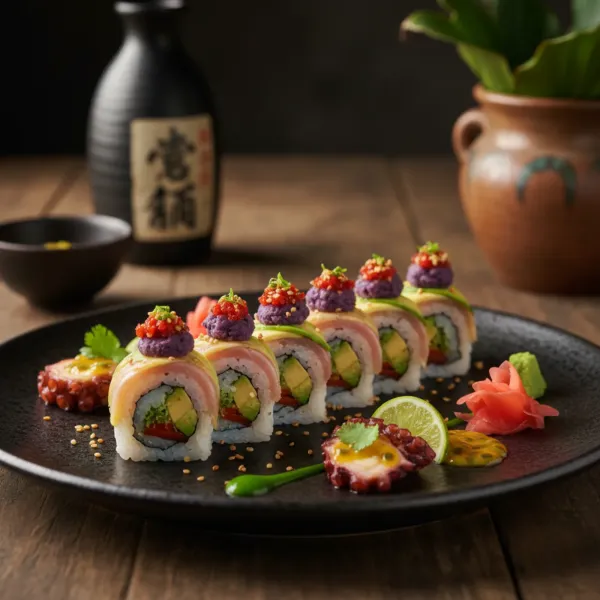
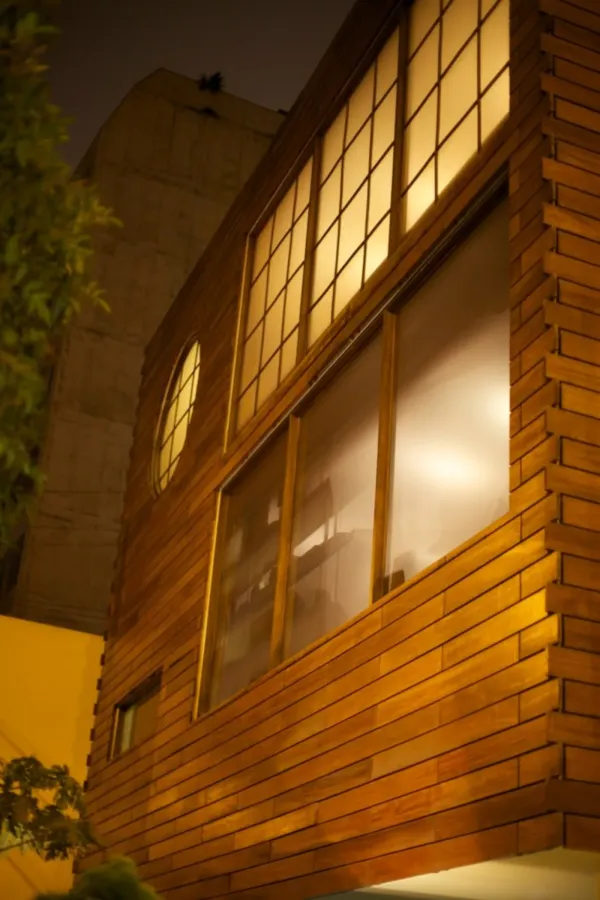
Two Michelin stars. The “Nikkei Experience” tasting menu — a journey from Lima to Tokyo and back in 14 courses. Tsumura personally selects the fish every morning at the market. Not through a supplier — personally. He touches the gills, checks the eyes, smells. Fish that doesn’t pass inspection doesn’t enter the restaurant. Not a single one.
Kjolle: the other half of Central
Pía León — Martínez’s wife and the chef at Kjolle. One star. A restaurant on the second floor of the same building as Central — but an entirely different world. If Central is research, mapping, science, then Kjolle is aesthetics, color, texture. León works with the same Peruvian ingredients but transforms them not into a catalog of altitudes, but into a palette. Dishes that silence the table — not because they’re delicious (that goes without saying), but because they’re so beautiful that your hand with the fork freezes mid-air.
Ceviche — in three minutes
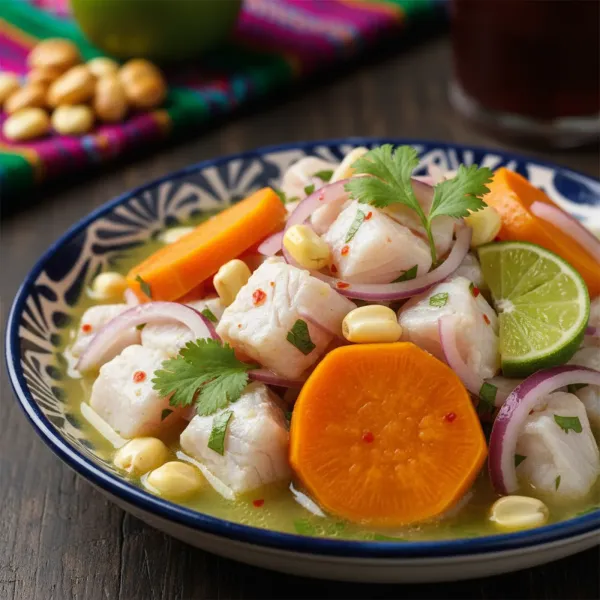
Beyond fine dining, Lima is the street food capital of South America. Cevicherías — restaurants that serve ceviche only before lunch (the fish must be from that morning, never yesterday’s). Preparation takes three minutes: raw fish, cut into cubes, is doused with “leche de tigre” — “tiger’s milk” made from lime, garlic, pepper, and fish juice. The lime’s acid denatures the protein — the fish “cooks” without heat. Served with sweet potato, choclo corn, and red onion. Every cevichería has its own tiger’s milk recipe. The secret is in the proportions, passed down from generation to generation.
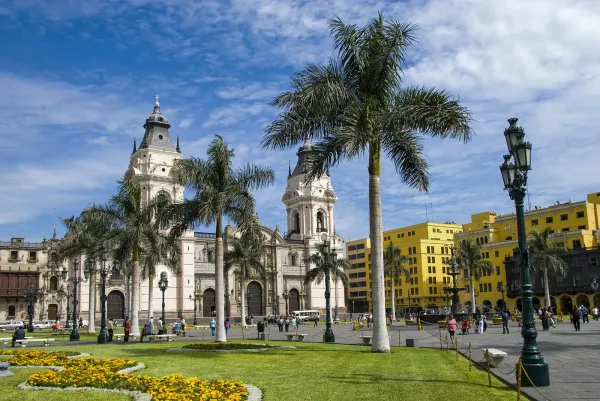
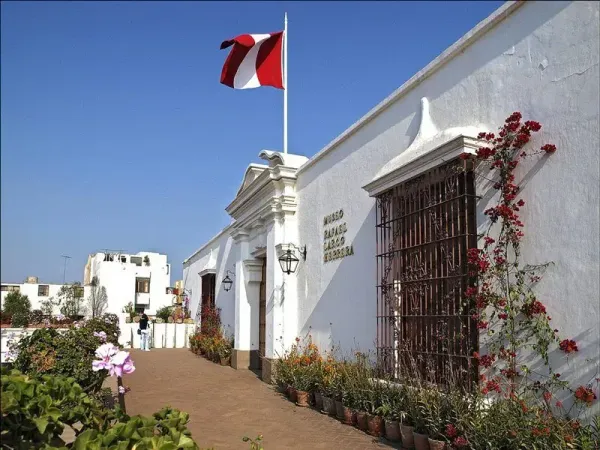
Our journey through Peru begins in Lima. The first two days — the city: the colonial center, Miraflores, the Larco Museum. And gastronomy — within walking distance. Central, Maido, Kjolle — in the Barranco district, twenty minutes from the hotel. For those who book in advance.
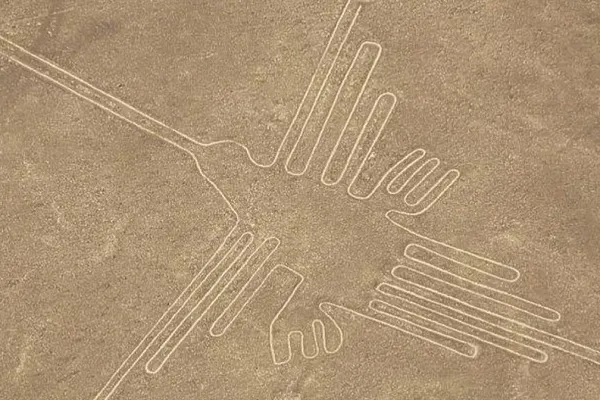
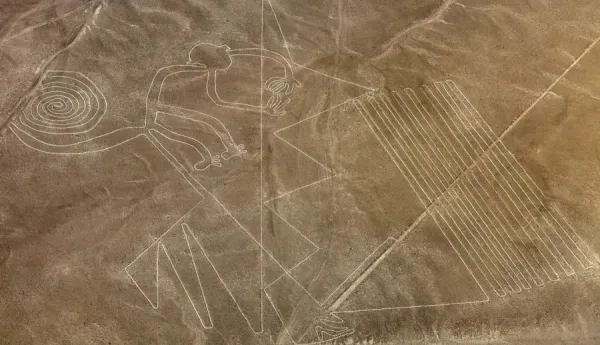
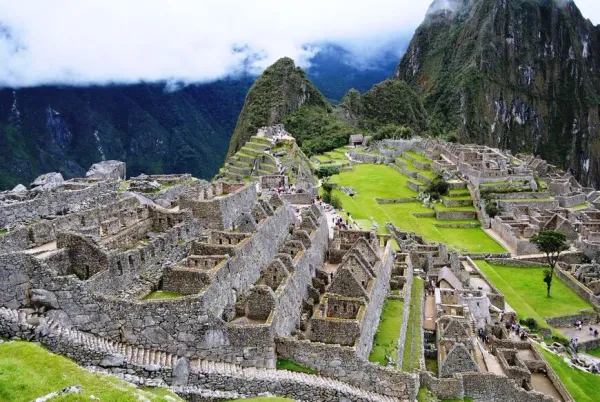
11 days. From the Pacific coast through the Nazca Lines and Machu Picchu to the Rainbow Mountains and Lake Titicaca. Peru — a country where a chef forages ingredients at altitudes where European ski resorts begin. Where ceviche is prepared in three minutes. Where a market looks like an artist’s palette. And where three of the world’s top ten restaurants operate within two blocks of each other.
But South America isn’t the only continent where Michelin found what it didn’t expect. In Colombia, a chef spent twenty years collecting ingredients that don’t exist in any culinary textbook. And in Morocco — a cuisine that’s a thousand years old, one that Michelin discovered behind palace walls.