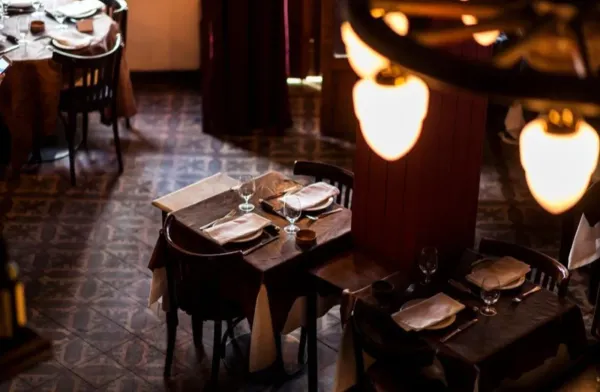
A butcher shop on the corner of a quiet street in Palermo. Carcasses on hooks behind glass, a butcher in a white apron, sawdust on the floor. No gold-lettered sign, no doorman. Fifty meters from this shop — a dining room. Tenth restaurant in the world ranking. A Michelin star. Reservations — two months out.
Don Julio. Buenos Aires. Palermo.
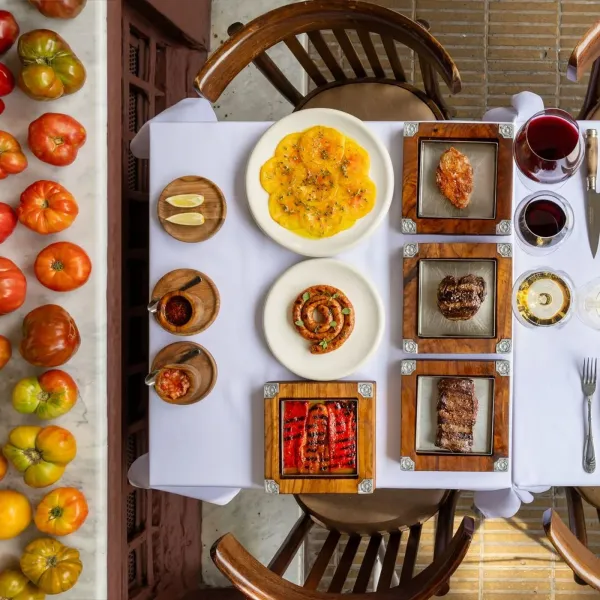
A restaurant that shatters every notion of what “the world’s best restaurant” looks like. No dress code. No twenty-page menu. No chef who emerges to explain the “concept” to guests. There is fire, meat, and a man who treats a steak the way Vigil treats Malbec: personally.
28 Days for One Steak
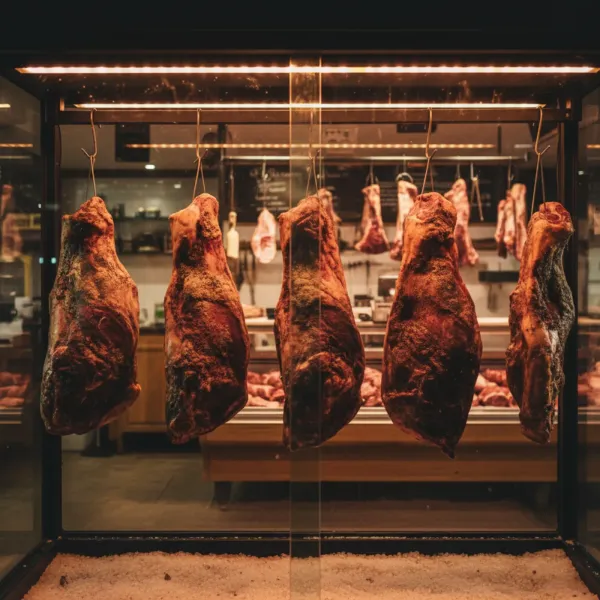
Guido Tassi, Don Julio’s chef, built his own butcher shop fifty meters from the restaurant. Not to save money. For control.
Each cut is aged on an individual schedule. Boneless steak — 28 days of dry aging. During that time, the meat loses up to 30% of its moisture. Fibers tighten. Enzymes break down connective tissue, transforming tough collagen into the most delicate gelatin. Flavor concentrates — as if someone took a steak and turned the volume up twofold.
Entraña — 15 days: the thin membrane won’t survive longer. Vacío — 20 days: a thick layer of fat protects the meat but demands precise monitoring. Tira de asado — 12. Three cuts — three different timelines — three different results. Every day the butcher checks each piece: touches it, smells it.
28 days of aging for one steak. 15 for another. 12 for a third. The butcher knows each piece by sight. What happens when meat like this meets open flame?
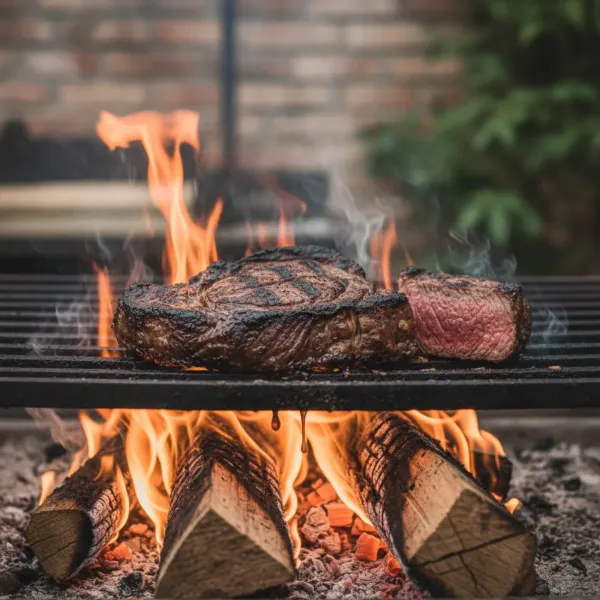
They cook only over firewood. No gas, no charcoal. Wood gives uneven heat: the edge closer to the fire runs hotter, the far side — slower. The asador manages this by moving meat across the grate like a chess player moving pieces on the board. A gas grill gives even heat — convenient, predictable. Wood is a conversation with fire. And Don Julio has been having that conversation for more than twenty years.
A Michelin Green Star — for sustainability. Tassi works with farmers who practice regenerative livestock management: rotational grazing, soil restoration, no antibiotics. The cows graze on the pampas — Argentina’s open plains — and eat grass. Not feed. Not grain. Grass. The difference is in the flavor. Pasture-raised meat tastes of earth, herbs, wind. Feedlot meat tastes of feed.
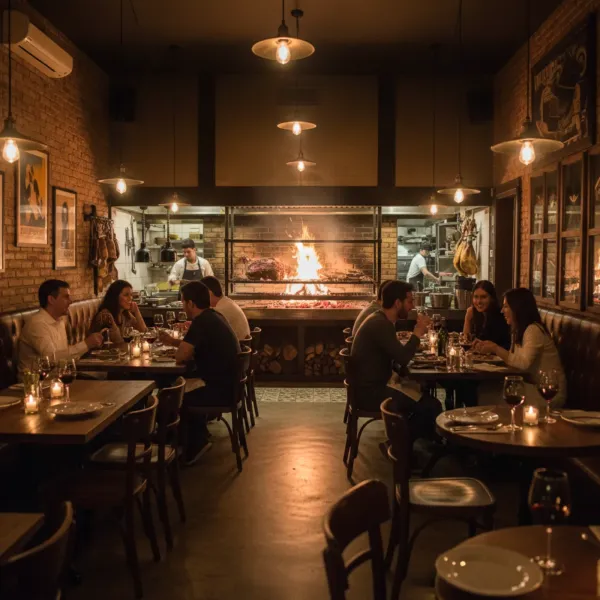
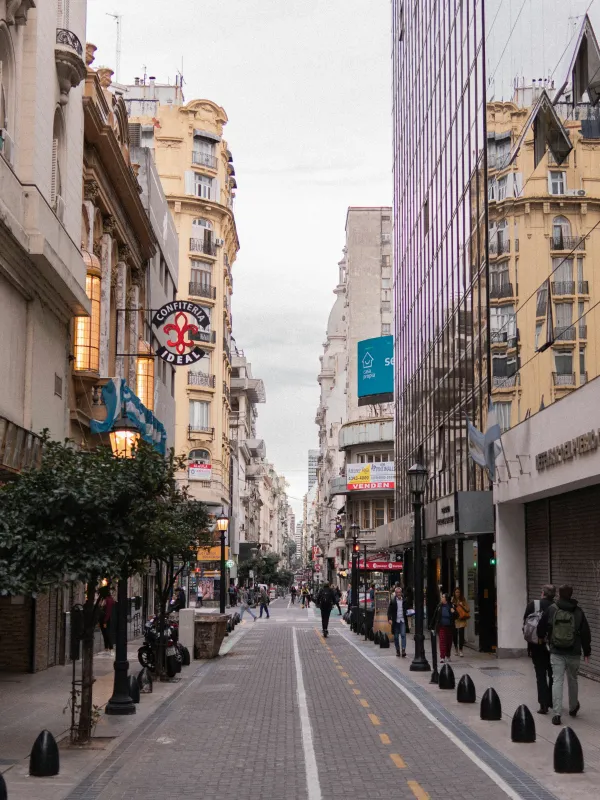
Don Julio — tenth on the World’s 50 Best Restaurants list. A Michelin star. But the most telling sign — the queue. Reservations open two months out and close within hours. Those who didn’t book show up at opening and wait in line on the street. For a steak. In a city where steaks are served on every corner. This isn’t about meat. It’s about what happens to meat when it’s treated as a work of art.
Aramburu: 18 Courses in Two Hours
The other end of the spectrum. A different neighborhood. A different philosophy. The same city.
Gonzalo Aramburu — the only chef in Argentina with two Michelin stars. His restaurant is an 18-course surprise tasting menu. There is no menu. No list of dishes, no choice. You sit down — and the performance begins.



Aramburu trained under Daniel Boulud in New York, Joël Robuchon in Paris, Martín Berasategui in San Sebastián. Three names that defined haute cuisine over the last thirty years. He returned to Buenos Aires and opened his restaurant in 2007.
His signature dish — Patagonian spider crab. The crab meat is hand-picked and arranged so that on the plate it looks like a whole claw — only more tender, cleaner, more complex. This isn’t deconstruction. It’s reconstruction: taking a product and restoring it to the form it deserves.
18 courses — in two hours. Each one a small story. Not “salad — main — dessert,” but 18 separate statements, each connected to the last by a logic you only grasp at the finale. Like a series where everything clicks into place in the final episode.
Aramburu is a member of Relais & Châteaux. For those who understand what that means: a global standard of hospitality encompassing roughly 580 establishments worldwide. Don Julio is about fire and earth. Aramburu is about precision and intellect. One city — two poles of world gastronomy.
Crizia: Twenty Years of Silence
Buenos Aires’ third star — Crizia. A restaurant that had been operating for twenty years before Michelin took notice.
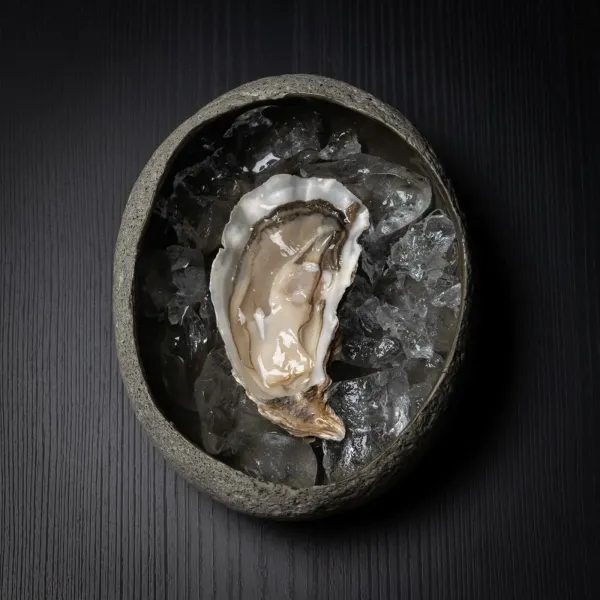
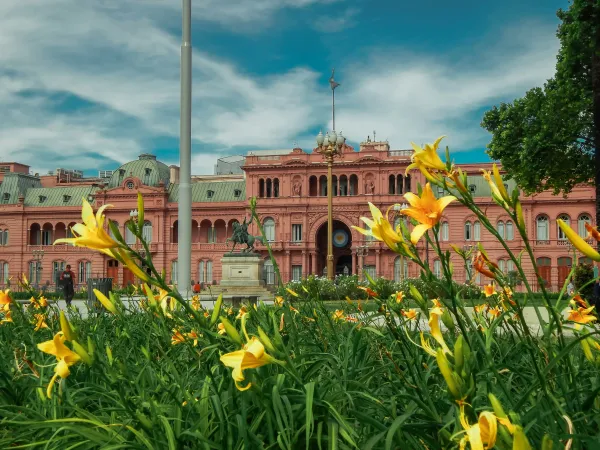

Chef Gabriel Oggero personally contacts every supplier. Knows by name the fisherman who brings oysters from Patagonia. Knows the farmer who grows the greens. Knows the shepherd. Twenty years — the same network, the same relationships. Crizia’s oyster bar is the best in Argentina: Patagonian oysters served on crushed ice, in a stone bowl, with minimal intervention. Lemon. Sea salt. That’s all.
Michelin awarded a star in 2025. Oggero gave no interviews. Didn’t change the sign. Didn’t raise prices. Simply kept working. Twenty years of silence — and a star. That, too, is Buenos Aires.
The City That Eats Standing Up
Argentines consume 47 kilograms of beef per person per year. The average European — 15. An American — 26. Meat isn’t a food product — it’s a national identity. The Sunday asado isn’t a barbecue — it’s a four-to-five-hour ritual. A good asador knows meat by the smell of its smoke, the color of its fat, the sound the knife makes entering the fibers.
Here, haute cuisine and folk tradition don’t oppose each other — they feed each other. Don Julio stands on a foundation laid by hundreds of nameless asadors on the pampas. Aramburu prepares Patagonian crab — the same crab that fishermen in the south eat with their hands on the pier. Oggero serves oysters — the same oysters harvested in the icy waters of Tierra del Fuego.

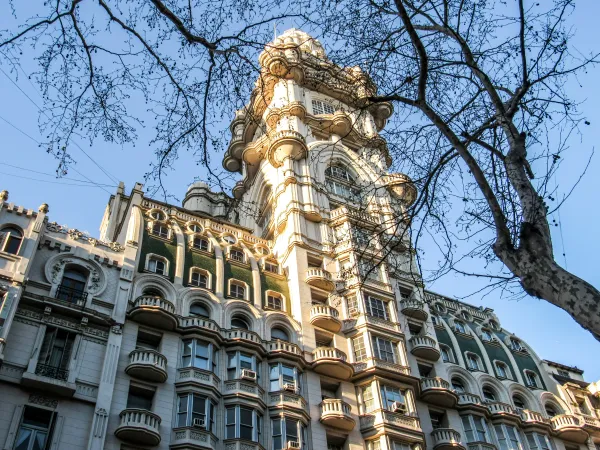
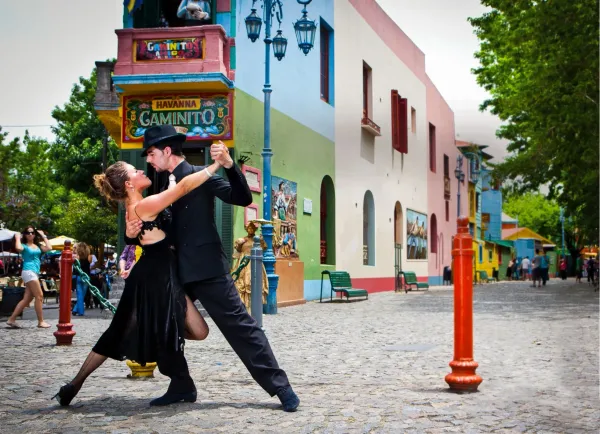
In the Argentina journey itinerary — two days in Buenos Aires. Days 13 and 14, after Mendoza. Dinner and a tango show are included. Don Julio, Aramburu, Crizia — all a taxi ride away. For those wanting to get into Don Julio, a tip: book two months in advance, as soon as your spot in the journey is confirmed. We’ll help.
A group of 11. $7,570. 15 days — from the glaciers of Patagonia through the estancias of the pampas and the vineyards of Mendoza to the Michelin restaurants of Buenos Aires. A journey where gastronomy isn’t a separate program but part of the route. As it should be.
But Argentina isn’t the only country where Michelin found something new. On the other end of the continent — Lima. A city where a chef arranges dishes by altitude above sea level. Where the menu begins at the shore of the Pacific Ocean and ends at four thousand meters. And where the restaurant that does this is the first in the world.