Six Michelin stars. A province with a population of one million. No subway, no skyscrapers, no international airport. Mendoza — a wine region at the foot of the Andes — received more Michelin stars than twelve-million-strong Buenos Aires.
On November 24, 2024, the Michelin Guide announced its first rating for Argentina. The first Spanish-speaking country in Latin America in the guide’s history. 71 restaurants — 52 in Buenos Aires, 19 in Mendoza. And a result no one expected: the wine region outpaced the capital in star count. Six to five.
This is no accident. It’s the consequence of what has been happening here for the past twenty years.
The Man Who Chose Fire
Francis Mallmann was born in 1956 in Patagonia. At 14, he got a job as a cook on a tourist vessel — grilling steaks on deck while the ship sailed between glaciers. At 20, he left for France. Eight restaurants — all three Michelin stars. Years of rigorous training under Europe’s finest chefs: sauces, textures, temperatures, presentation.
And then he returned to Argentina and lit a fire.
Eight three-star restaurants in France. Years of training under the world’s greatest chefs. And he left it all behind — for a bonfire in the middle of a vineyard. Why?
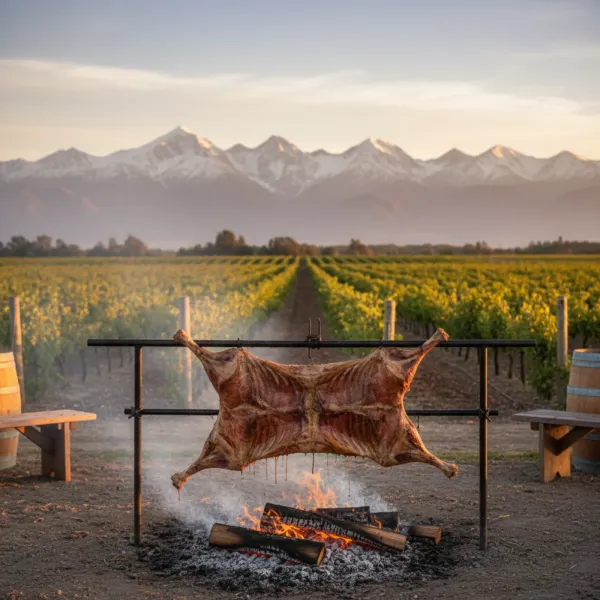
Mallmann developed the “Siete Fuegos” system — “Seven Fires.” Seven techniques for cooking over live flame, each one a distinct philosophy.
Infiernillo — “little hell”: two layers of coals, meat between them. Heat from above and below simultaneously, like a ceramic kiln. Rescoldo — vegetables buried in scorching ash for hours. When pulled out and broken open — the flesh inside is the color of clarified butter, with a smoky aroma no oven could replicate. Asador — an iron cross on which a whole 15-kilogram lamb is splayed. Four to six hours over coals. Outside — a crispy dark crust. Inside — pink, melt-in-your-mouth meat with a hint of mountain herbs.
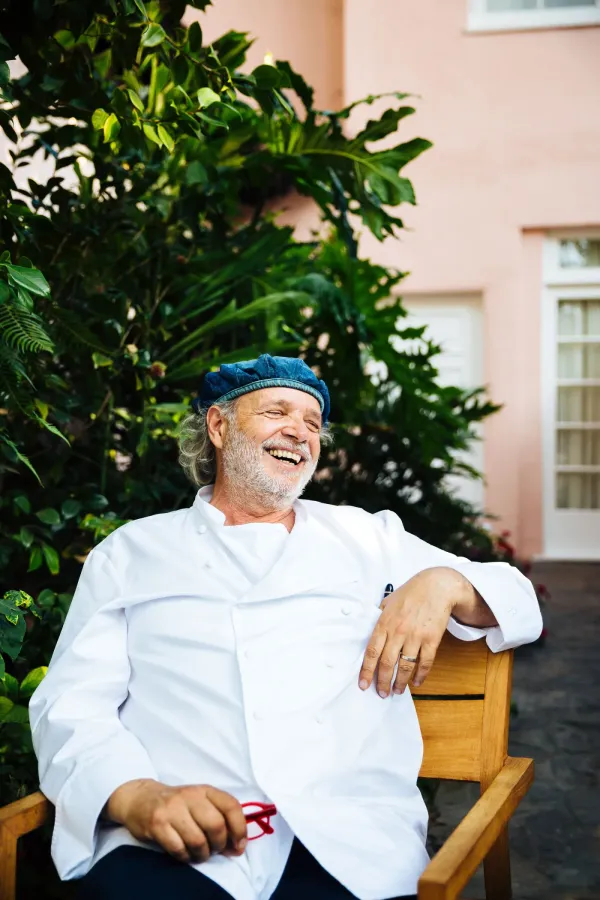
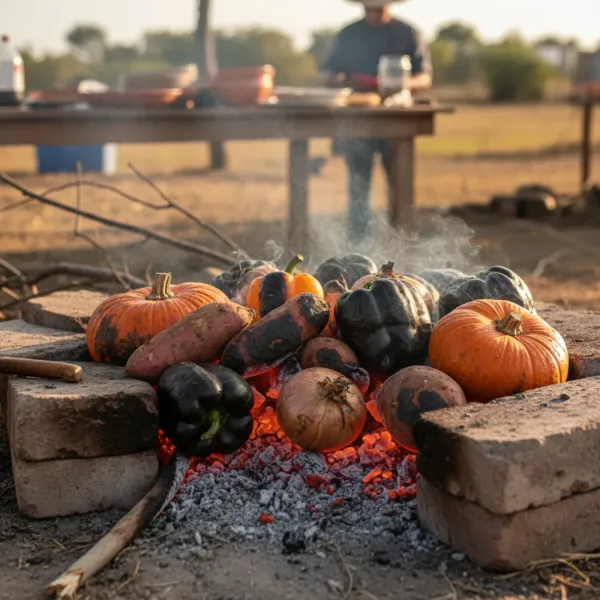
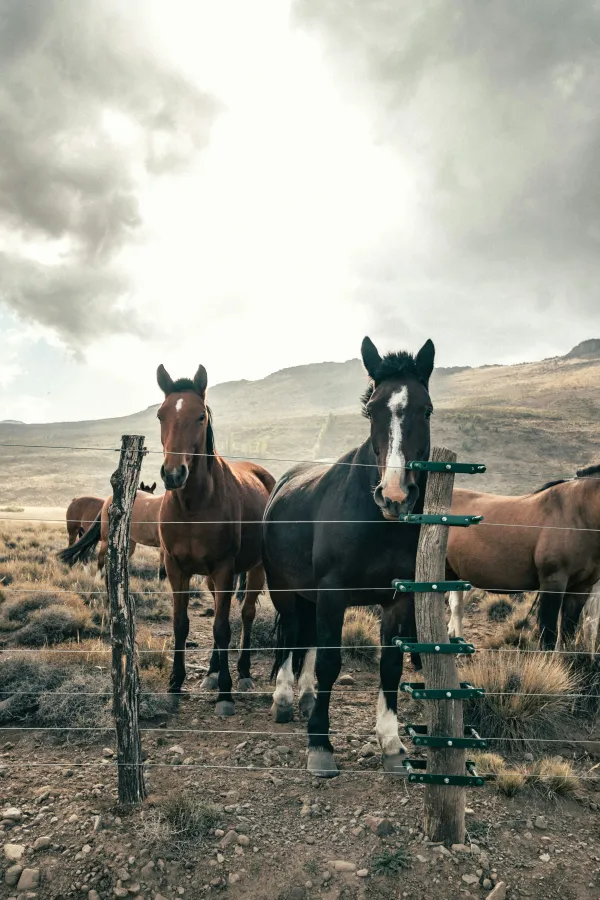
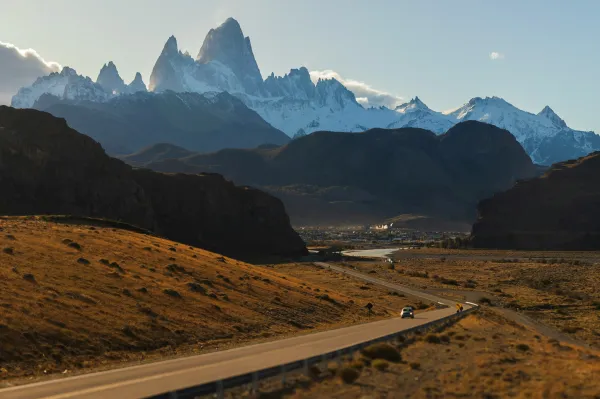
“Luxury isn’t caviar,” says Mallmann. “Luxury is a simple potato, slowly roasted in embers and eaten outdoors, under the open sky.”
Michelin never gave Mallmann a star. His restaurants don’t fit the system: no fixed menu, no sterile kitchen, no climate-controlled dining room. There is fire, wind, and meat. But he created the language that all of Mendoza now speaks. And it was precisely this language that ultimately drew Michelin here.
100 Points. Six Years Running
Mendoza is a freak of nature that became a winemaking miracle.
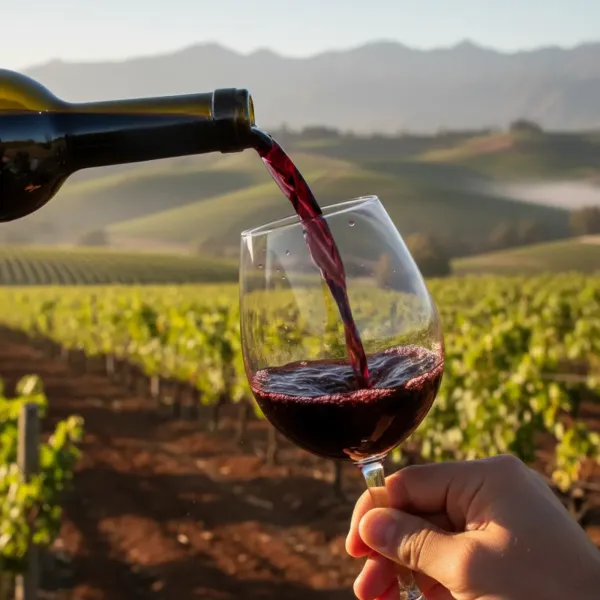
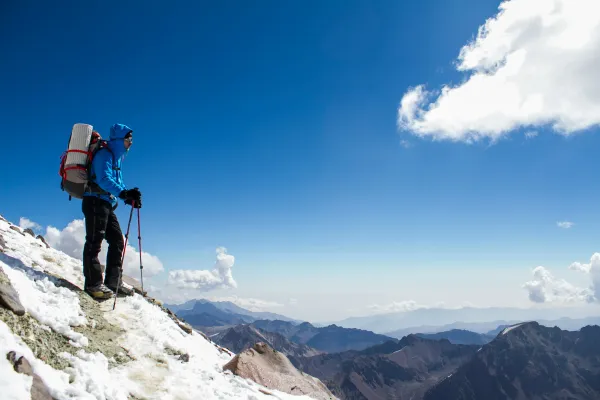
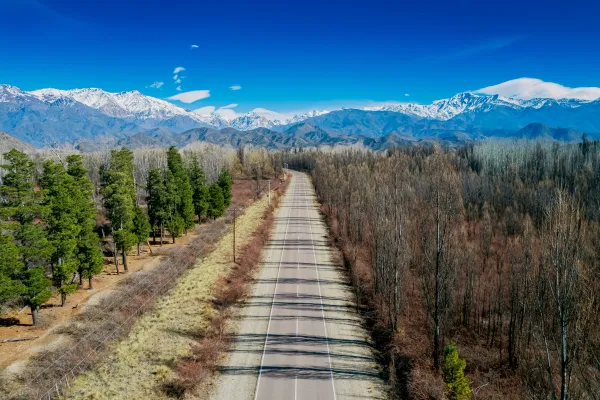
900 to 1,400 meters above sea level. The Andes stand like a wall to the west. 300 sunny days a year. Day-to-night temperature swings of up to 20 degrees. The air is so dry that grapes barely get sick — fungi and mold have nothing to work with here. The vine needs no protection. Pesticides are unnecessary.
The grape — Malbec. A variety brought from France in the 1850s, where it was second-rate. Phylloxera destroyed most European vines — Malbec nearly died out in France. But in Argentina — it flourished. At a thousand meters’ altitude, in dry mountain air, it delivers what it never could anywhere else: a dense, velvety flavor with notes of black plum, chocolate, and violet. A forgettable French grape became a great Argentine one.
In 1885, the railroad reached Mendoza. Within 25 years, vineyard acreage grew from 1,000 to 45,000 hectares. A forty-five-fold increase. Mendoza became the wine capital of South America.
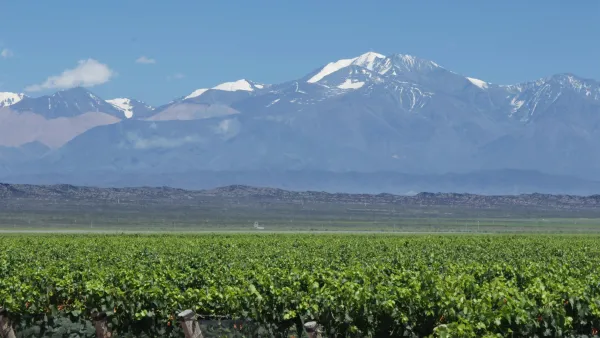
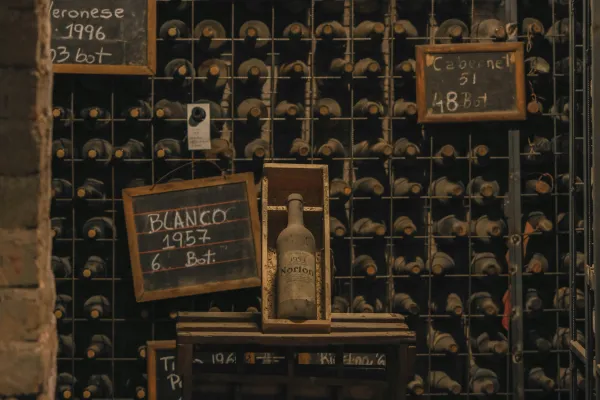
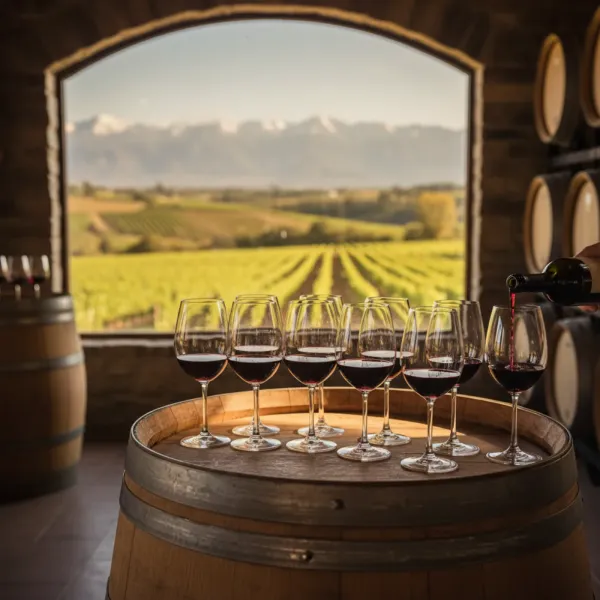
Zuccardi Valle de Uco. Four consecutive years — the world’s best winery. Not Argentina’s — the world’s. According to the World’s Best Vineyards ranking. Every vintage from 2018 to 2023 — 100 Parker points. Six in a row. This isn’t statistics — it’s an anomaly. No winery on the planet has ever posted such a streak. For context: 100 Parker points across all of history have been awarded to Château Pétrus, Screaming Eagle, Romanée-Conti. Zuccardi stands in that same company.
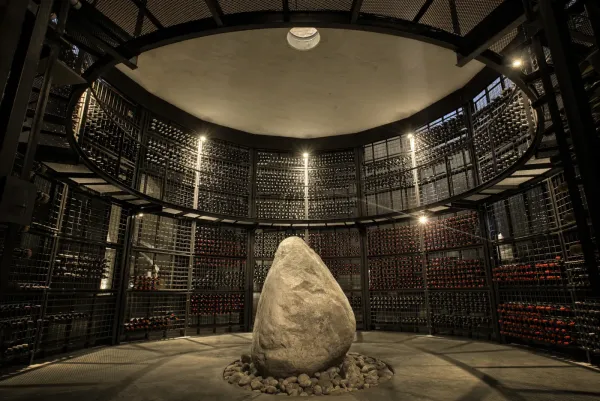
Sebastián Zuccardi, the family’s third generation, built the facility right into the rock: concrete, stone, and glass, embedded into a slope at 1,100 meters. A gravity-fed winery — grapes move from top to bottom without pumps. Only gravity. Zero stress on the berry. Architecture that doesn’t compete with the landscape but continues it.
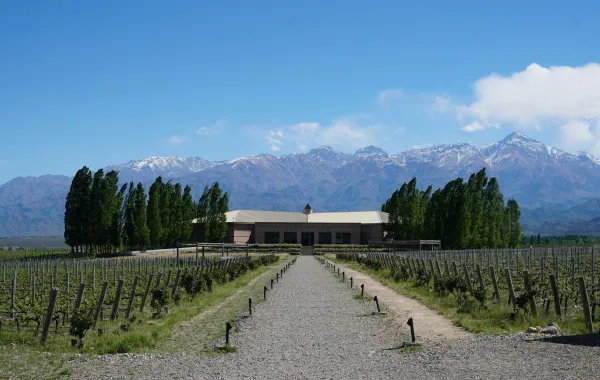
Casa Vigil: “The Messi of Argentine Wine”
Alejandro Vigil. He’s called “the Messi of Argentine wine” — not a compliment, but a statement of scale. The first and only Argentine winemaker to receive 100 Parker points twice.
His winery Casa Vigil — a Michelin star and a Green Star. The restaurant at the winery isn’t an appendage to the tasting room — it’s a force in its own right. Dishes from local produce that pair with wines as if they grew from the same root.
Vigil is a man obsessed. His line is called “El Enemigo” — “The Enemy.” The winery is inspired by Dante’s Divine Comedy: each wine — a level of hell, purgatory, or paradise. Great wine is a battle. Against climate, against soil, against one’s own perfectionism. The enemy isn’t someone outside. The enemy is yourself, settling for “good enough.”
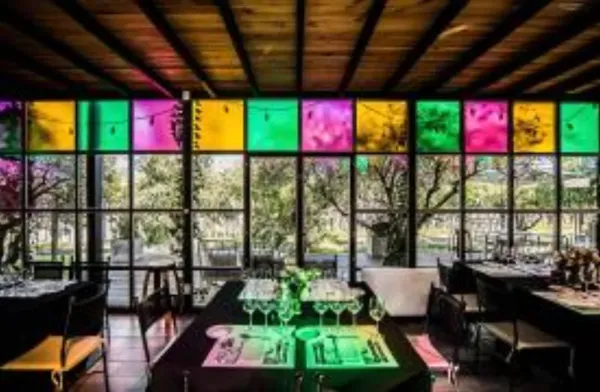
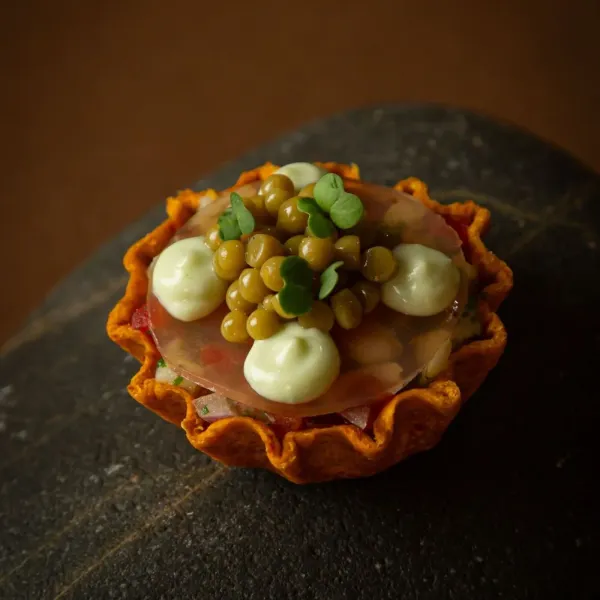
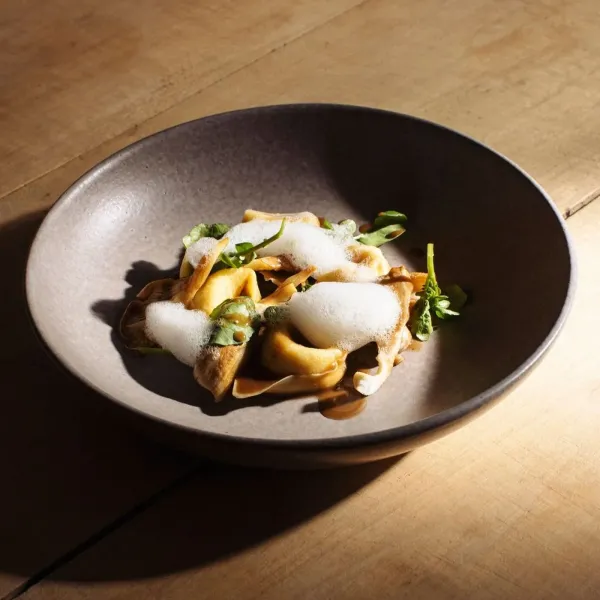
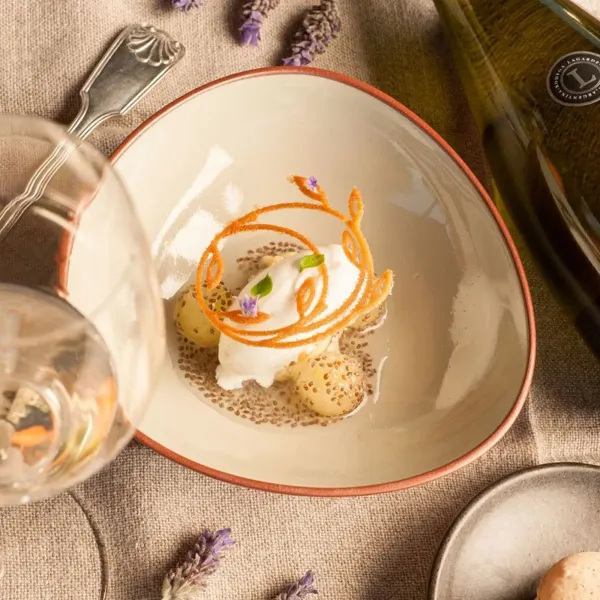
Brindillas. Azafran. Zonda. Angelica. Riccitelli Bistro. Mendoza’s six Michelin restaurants — each with its own character, each working with what grows and grazes within a hundred-kilometer radius. Chefs here don’t order ingredients from Europe. They know the farmer by name. They know which cow gave the milk. Michelin recognized precisely this: not a copy of Paris, but fidelity to place.
What This Means
Mendoza is not a city you drop into on the way. Four hours by air from Buenos Aires. One direct flight a day. There are no casual visitors here. Only those who know why they came.
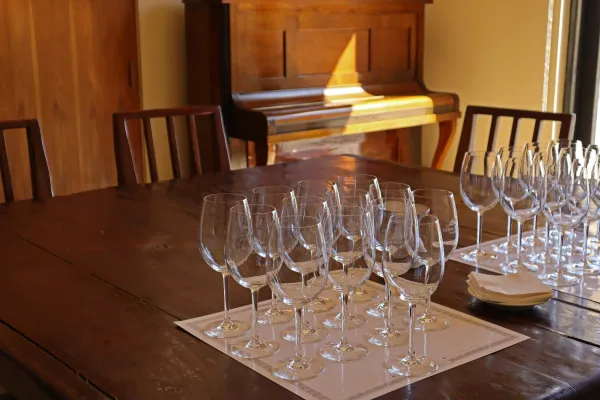
A tasting at Casa Vigil. Lunch at a Michelin restaurant with a view of the Andes. An evening asado at an estancia — lamb on the cross, a bottle of Malbec straight from the barrel, a sunset that turns the mountains pink. Four wineries over three days. And each one — not just a cellar with barrels, but an architectural statement: glass, stone, concrete grown into the hillside.
In March 2027 — a journey through Argentina. 15 days. A group of 11. $7,570. Days 9 through 12 — Mendoza: the wineries of Vigil and Zuccardi, lunch at a Michelin-starred restaurant, tastings that start with a glass and end with a conversation with the winemaker about terroir and sun.
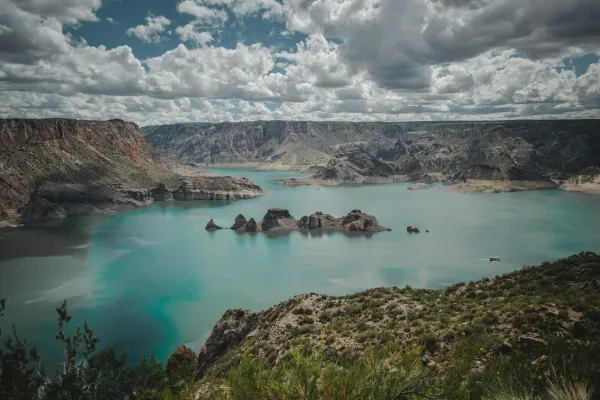
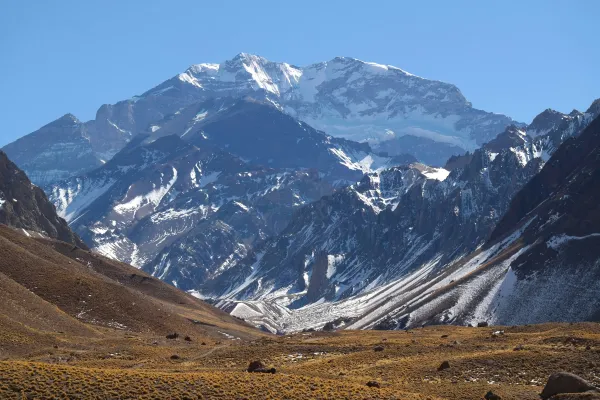
Mallmann never got a star. But he created the phenomenon that brought Michelin to Mendoza in the first place. Six stars — this isn’t about restaurants. It’s about a place where fire, earth, and grapevine created a cuisine that existed nowhere else. And that can be tasted nowhere else but here. At a thousand meters’ altitude. Under open sky. In the shadow of the Andes.
But Mendoza is only half the map. A thousand kilometers to the east — Buenos Aires. A city where a butcher shop on the corner of a quiet street turned out to be the tenth best restaurant in the world. Where steak is aged for 28 days. And where the chef serves 18 courses in two hours — each one a riddle.