The Egypt I Didn’t Expect
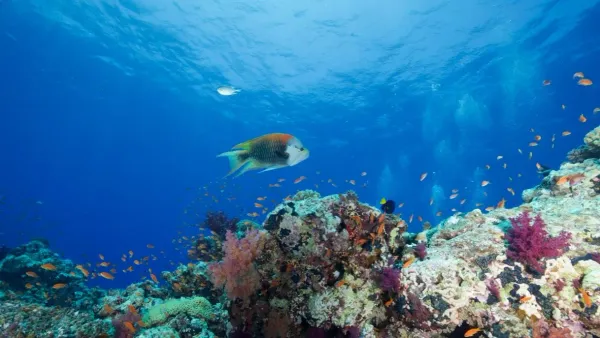
There are destinations you close off for yourself once and for all. Not because they were bad — but because they let you down. Egypt had become exactly that kind of place for me. Years of working in dive travel had left a single recurring image in my mind: overloaded reefs, dozens of boats anchored at every site, crowds of divers underwater where there were more people than fish. That eternal underwater chaos — elbows, bubbles, someone else's fins in your face — had drained all the magic out of Egyptian diving. The Red Sea remained great, but the human anthill on its surface made it nearly impossible to actually experience that greatness.
I had long stopped bringing groups there. We still handled private bookings — a couple of people, a small group — but we hadn't run full group expeditions in years. Egypt had become a closed chapter. I figured it always would be.
Then, in the spring of twenty-five, a phone call changed everything.
It was one of our regulars — the kind of traveller whose opinion you trust, because behind it stand hundreds of dives in seas all over the world.
— Listen, he said, — it's been a while since we've been to Egypt. Maybe it's time?
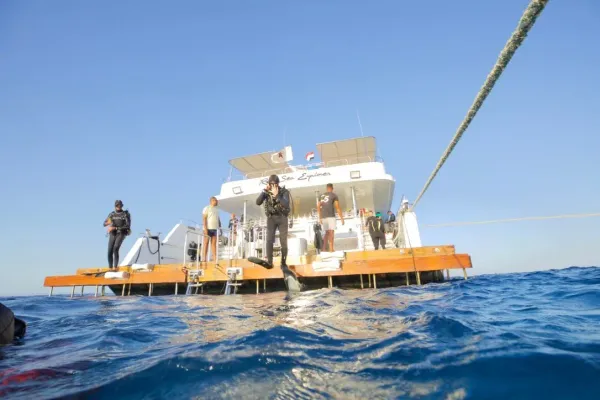
I was about to brush it off with my usual scepticism, but I paused. By then, we'd been hearing things about the Red Sea Explorer — not just positive things, but genuinely enthusiastic ones. Travellers were coming back with shining eyes and warm words about the service, the organisation, the atmosphere on board. The boat belonged to a German company, and by all accounts the Germans had managed to run it with a level of precision more commonly associated with the Maldives or the Galápagos than with Hurghada.
I thought: well, why not. There was free time, there was interest, there was a boat with a solid reputation. Why not go and see for myself?
We booked the Red Sea Explorer for a group journey and started assembling a crew. We designed the itinerary around one main goal: cross paths with as few other boats and groups as possible. We chose July — not the obvious month for Egypt, but precisely for that reason it offered a chance at relative solitude. Gradually we filled the boat and set a departure date.
I still had my doubts. But the tickets were bought.
The first pleasant surprise came before we even reached Egypt. Aeroflot was flying direct from Moscow to Hurghada, and that day business class turned out to be unexpectedly affordable. Our entire group — independently, each on their own — found themselves in the business cabin. We looked at each other and laughed: the journey hadn't even started, and our spirits were already high.
Hurghada greeted us with dry heat, the familiar bustle of the airport, and a quick transfer straight to the dock. The moment we stepped aboard the Red Sea Explorer, I knew the reviews hadn't lied.
The cabins were spacious and thoughtfully designed down to the last detail — even on the lower deck, where you normally expect cramped boxes with no natural light, there were panoramic windows. Real ones, large ones, through which the sea and sky poured into the cabin. But the real revelation wasn't the cabins.
It was the staff. The boat's crew.
I've seen plenty of dive safaris in different countries, and I know what Egyptian service usually looks like — warm and friendly, but chaotic, with a constant sense of gentle improvisation. This was different. An approach that was completely un-Egyptian in its execution, honed to surgical precision by German standards, yet at the same time warm, genuine, and full of energy.
Our steward became a legend unto himself. This man was not merely a waiter — he was a performer, a magician, a showman. On the very first evening he put on a display that left us literally dropping our forks and spoons. We were sitting at dinner, the table laid with a white tablecloth, glasses of water set on it. The steward needed to change the cloth. He walked up, grabbed the fabric — and in one fluid motion whipped it off the table. The glasses rocked, held, and stayed standing. Pure Copperfield. The table erupted in applause.
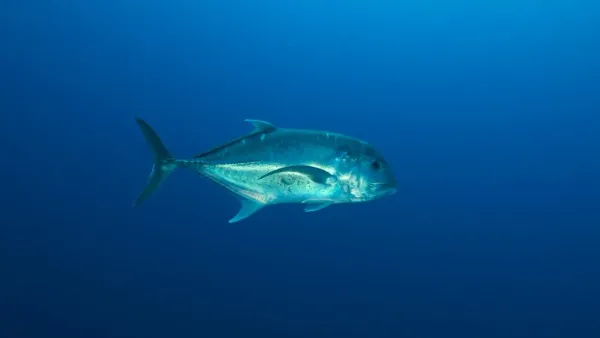
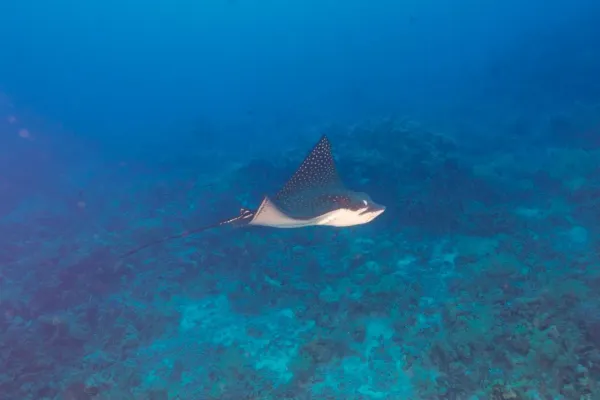
After that came plate-juggling as he served dishes, astonishing tricks with napkins, all performed with an impassive face and a sly smile. And the food itself was excellent: fresh, varied, prepared with a care you could taste in every dish.
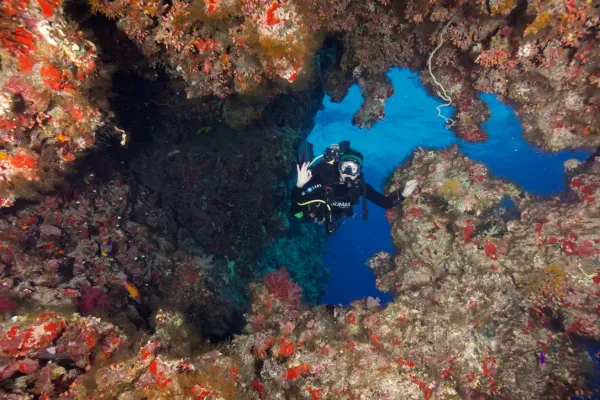
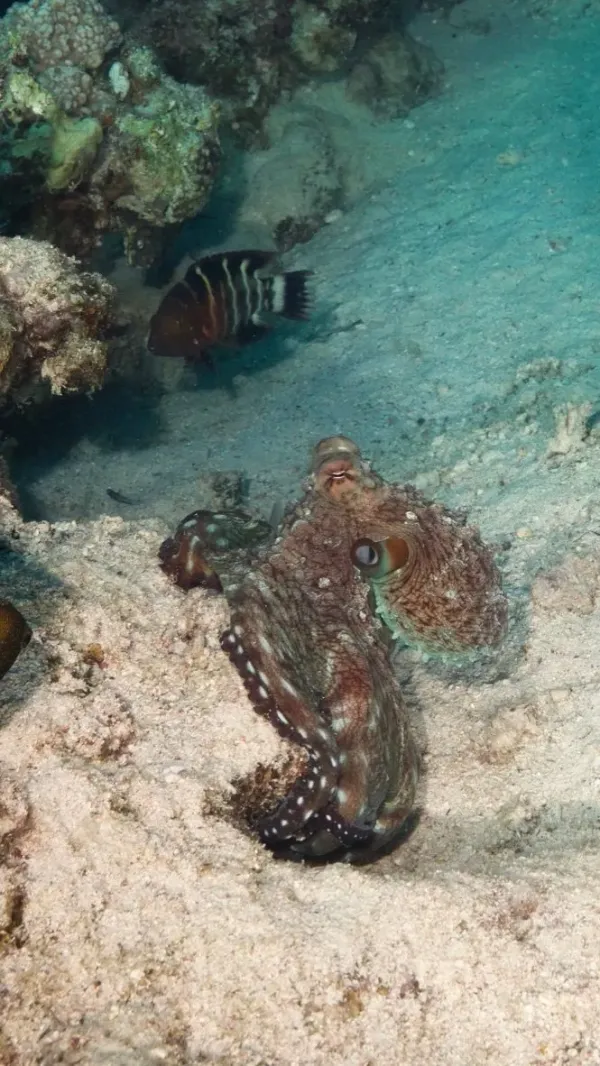
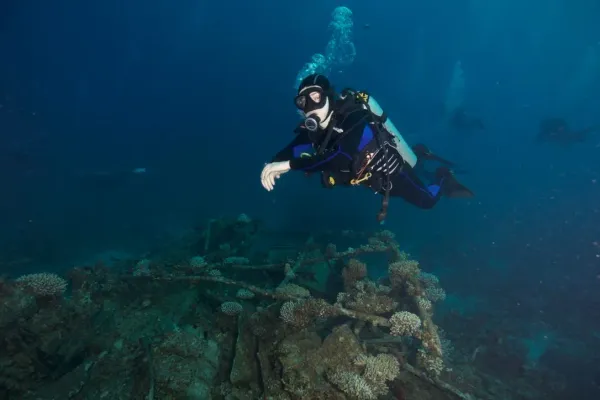
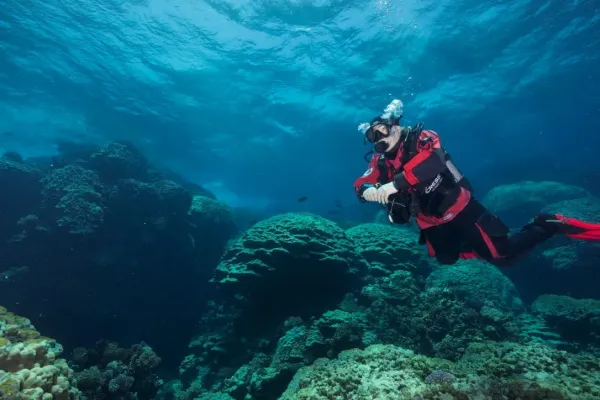
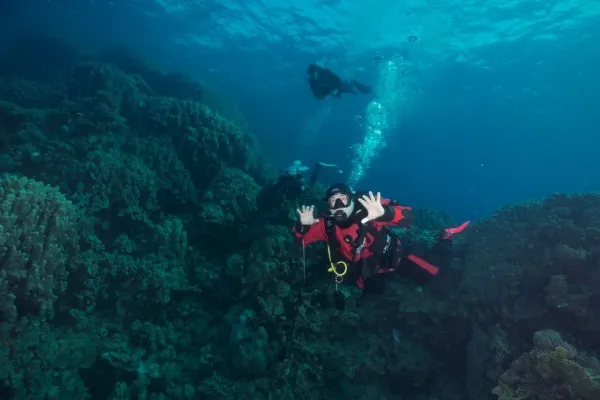
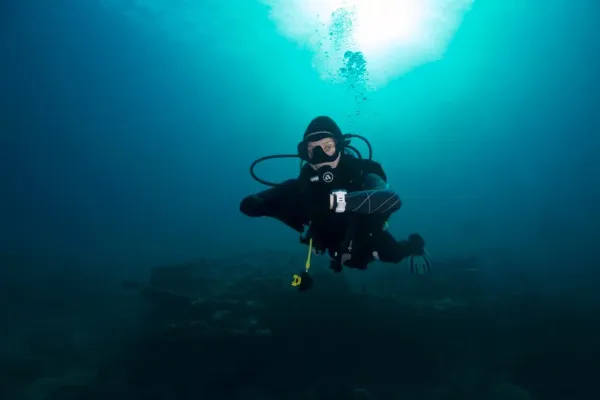
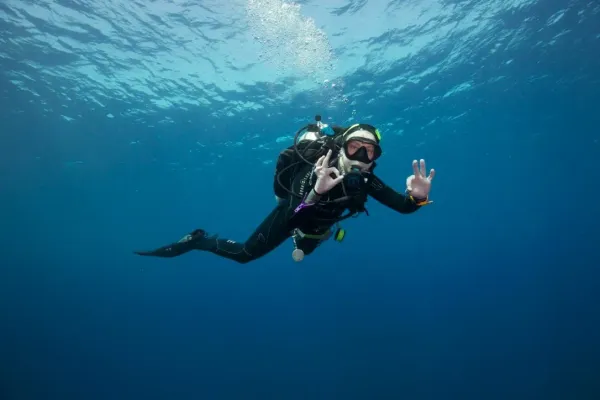
The diving operation ran like clockwork — briefings, groups, entries, everything precise and unhurried. We found ourselves immersed in an atmosphere that was set in Egypt, yet didn't feel Egyptian. A strange, unfamiliar, and wonderful feeling.
The weather was on our side. July, which frightens many people with its heat, turned out in practice to be mild and comfortable: warm in the breeze, but never oppressive. Most of the time we spent on the open deck — sunbathing, chatting, drinking coffee, watching the setting sun slowly melt into the horizon.
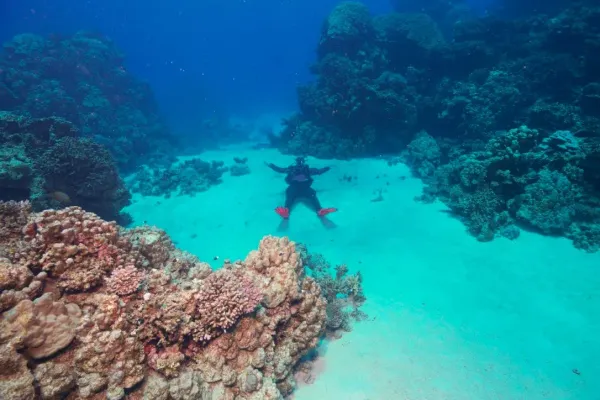
Everything was going well. But I didn't yet know that the real shock was still ahead.
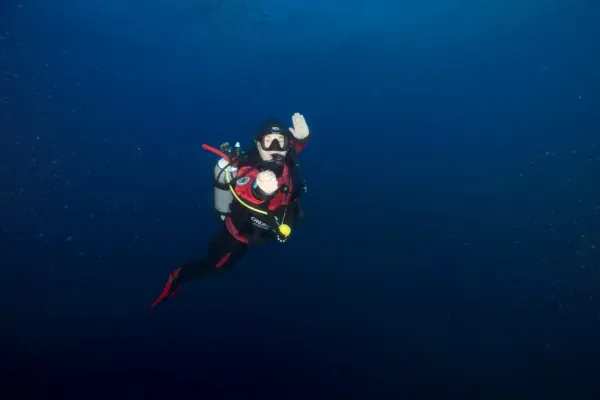
I had no faith in Daedalus Reef. Too famous a place, too heavily promoted — which meant it should be lined with dozens of boats and swarming with hundreds of divers. That's exactly how it had been in previous years, and exactly why I had grown disillusioned with Egyptian diving.
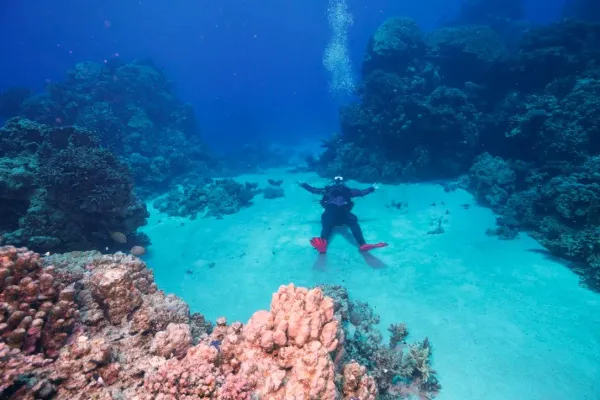
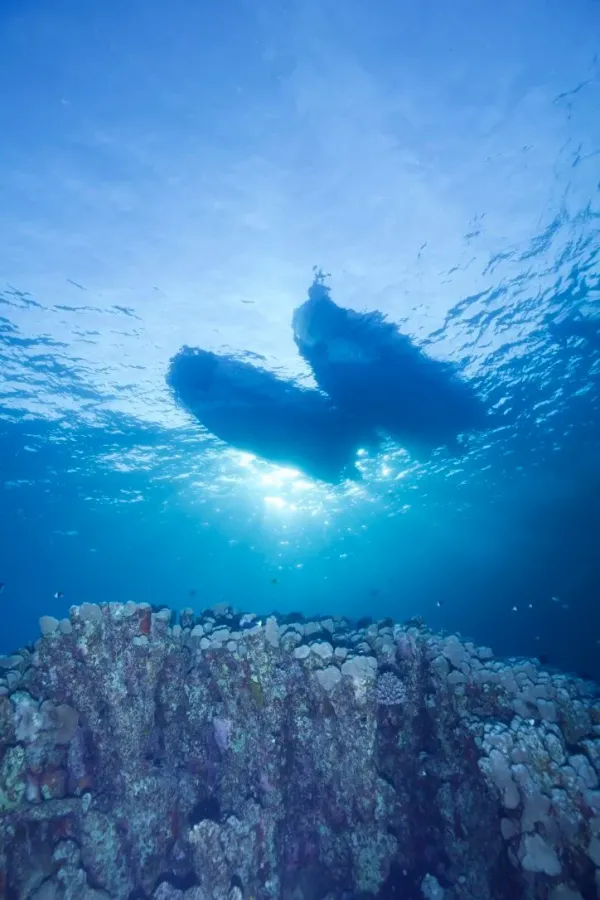
When we arrived at Daedalus, there was one boat at the lighthouse. One, besides ours. Nobody else. I looked twice, unable to believe it. Two vessels at one of the most famous reefs in the Red Sea — it felt like a miracle.
We quickly agreed with the crew of the neighbouring boat to dive at different times, so as not to cross paths underwater at all. And when I descended for the first dive, something happened that I hadn't expected and wasn't prepared for.
Daedalus hit the jackpot.
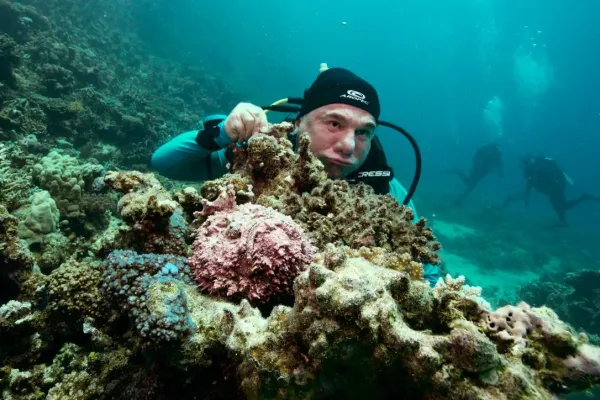
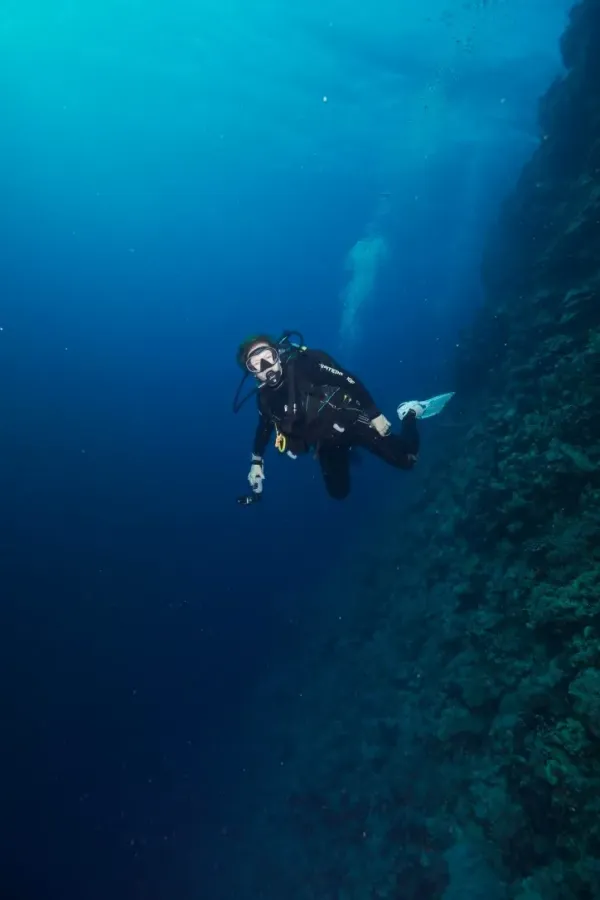
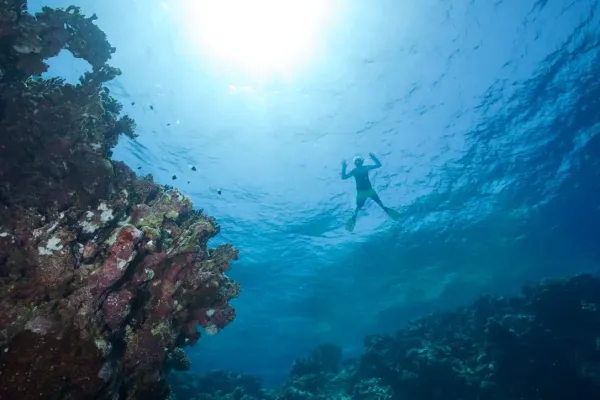
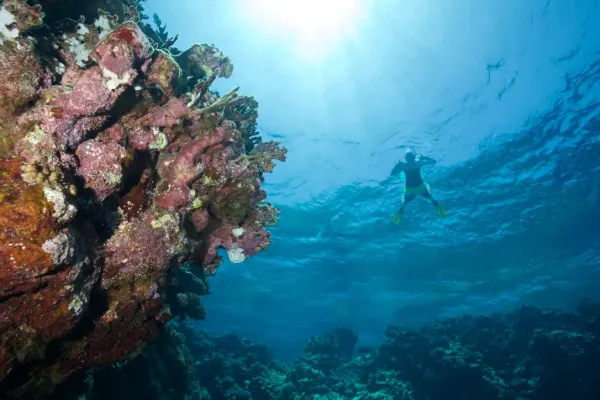
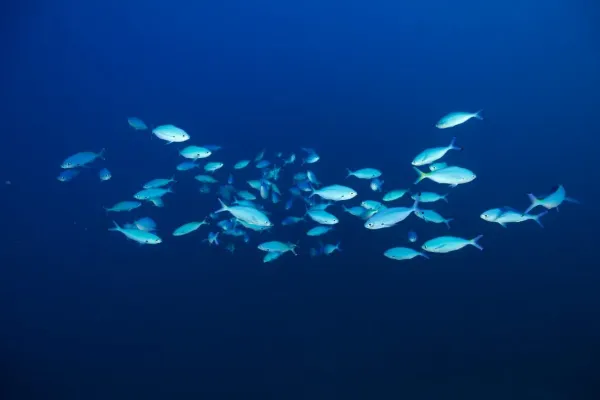
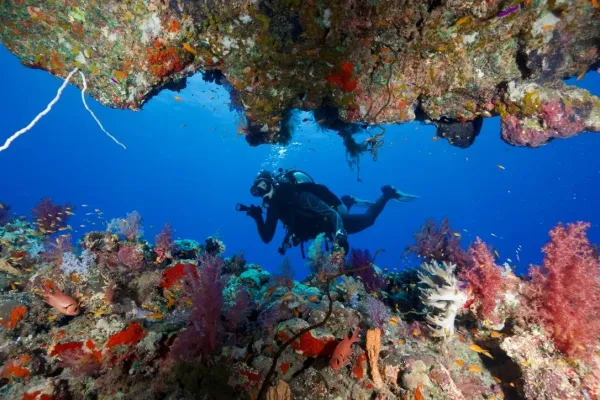
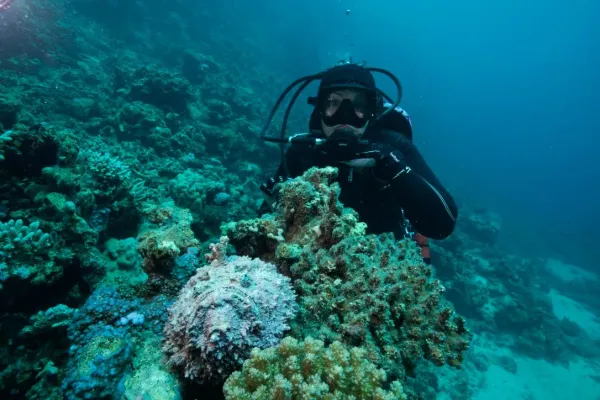
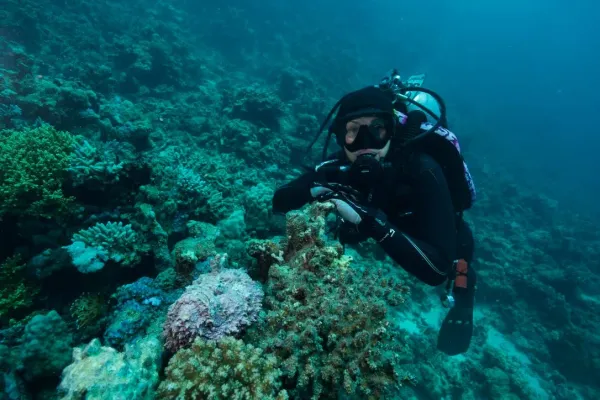
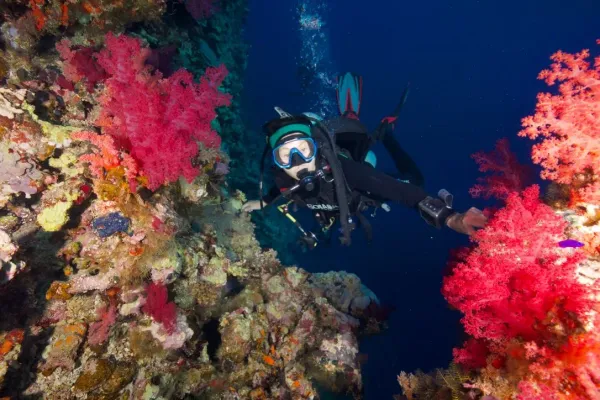
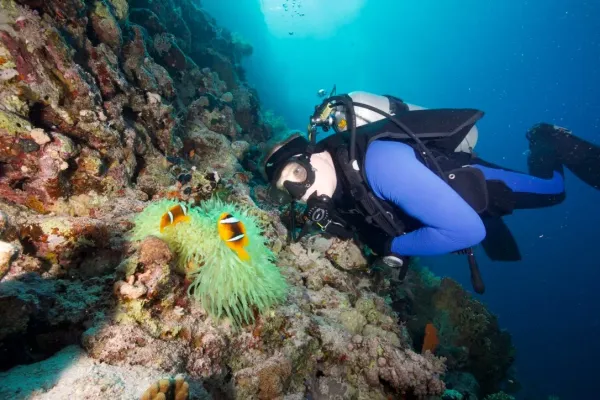
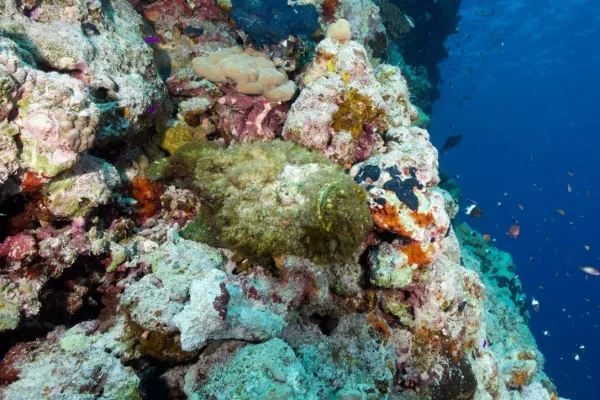
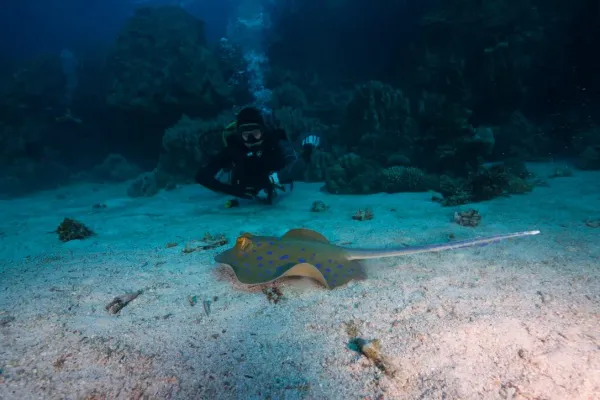
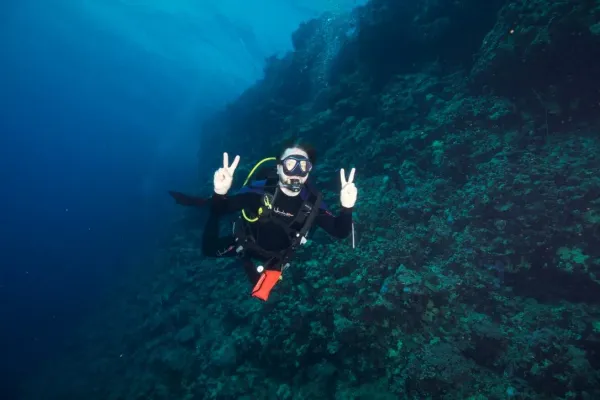
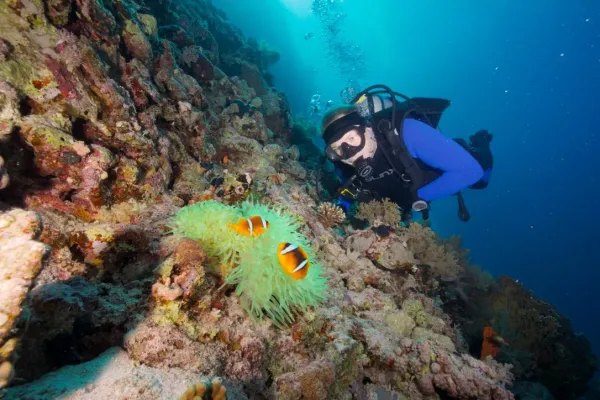
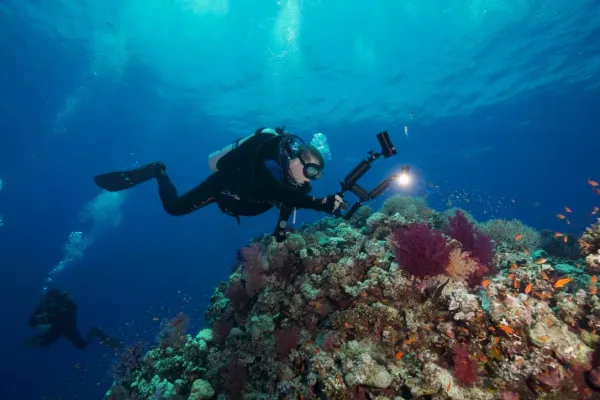
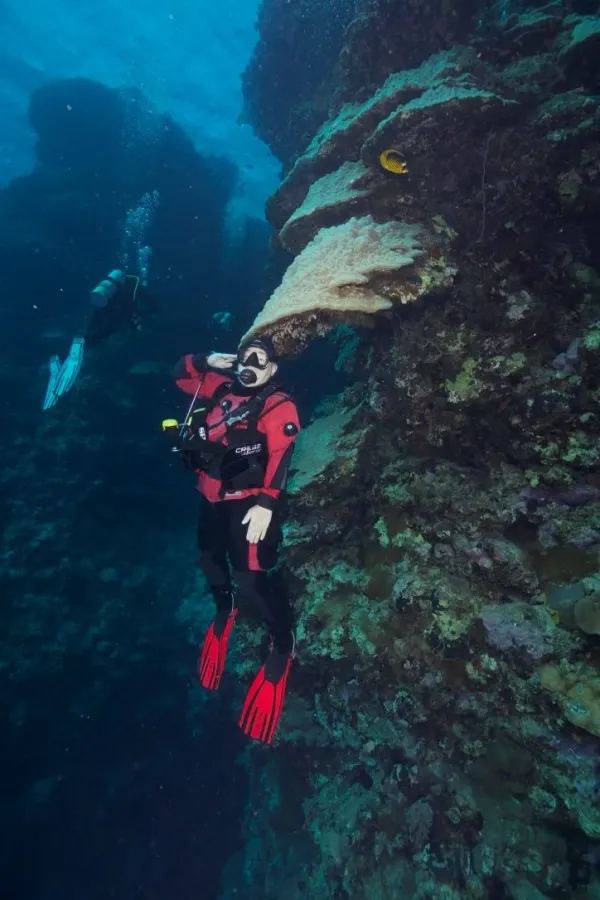
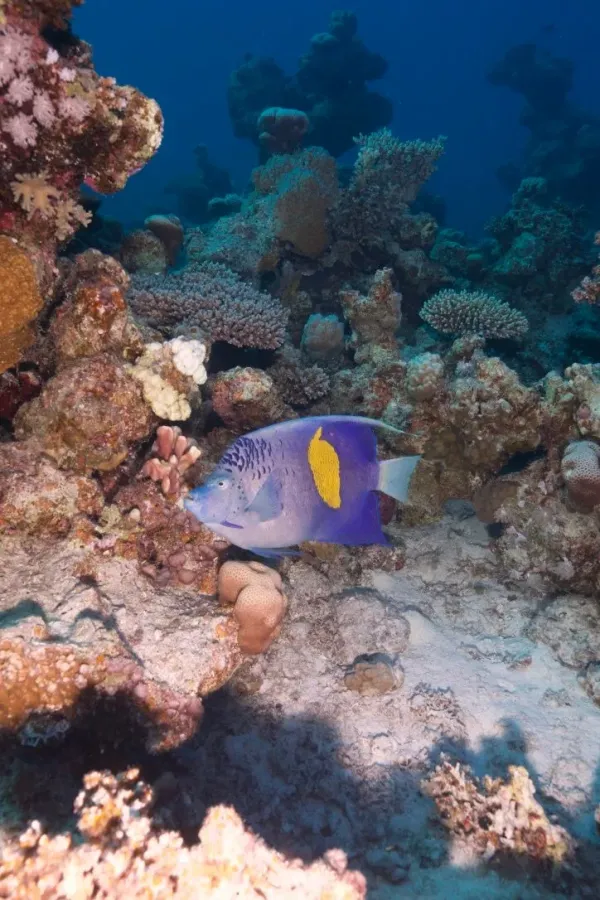
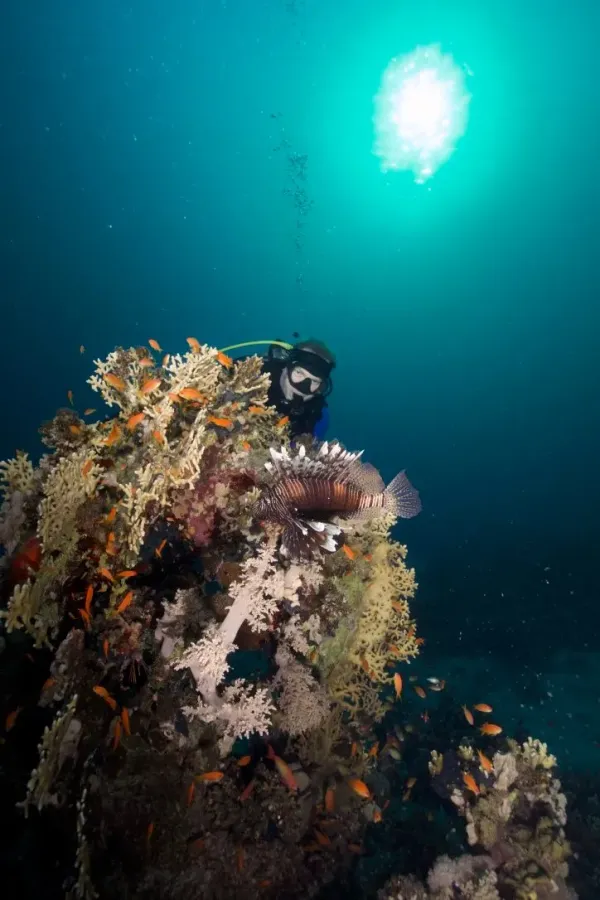
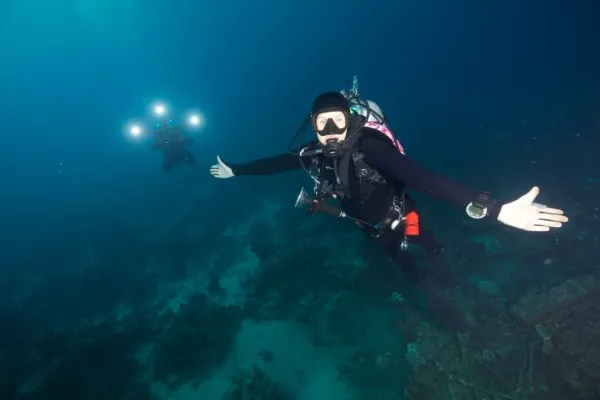
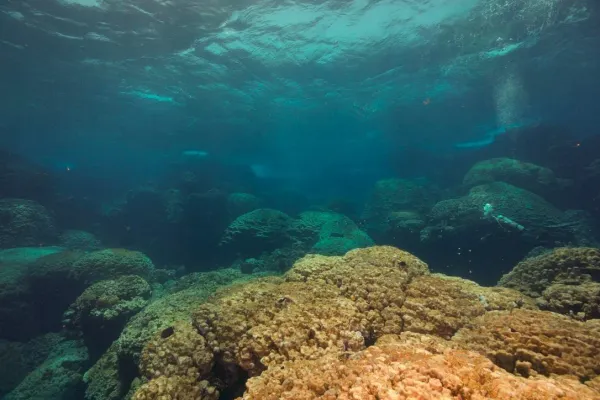
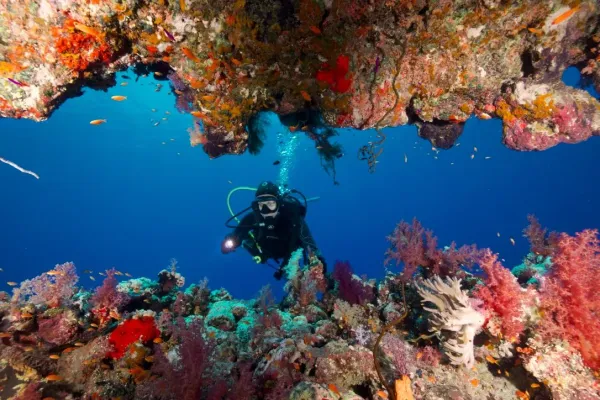
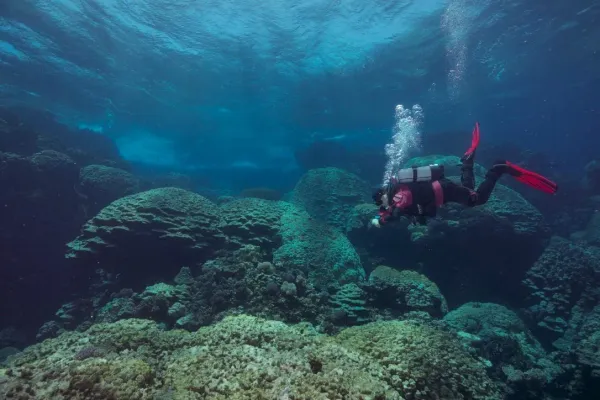
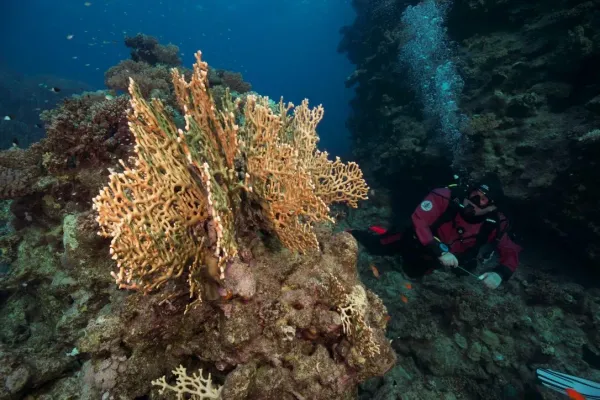
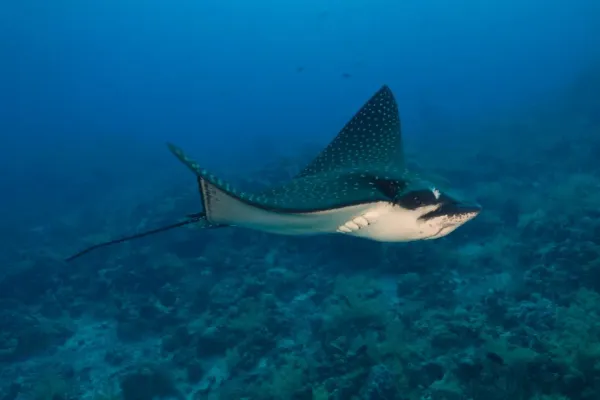
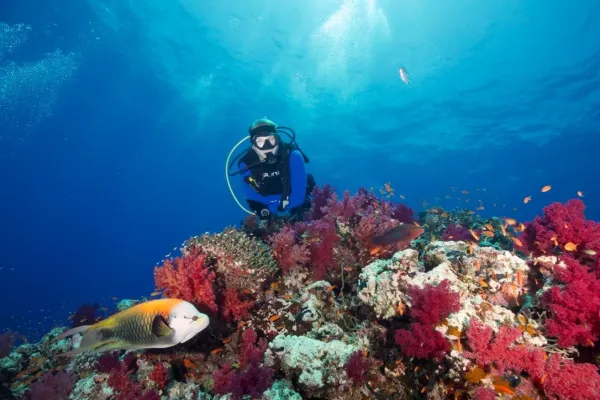
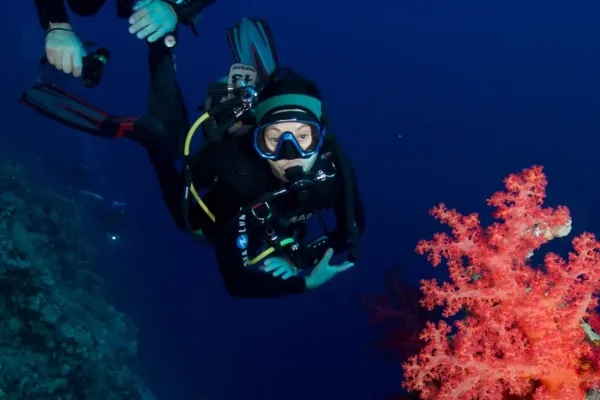
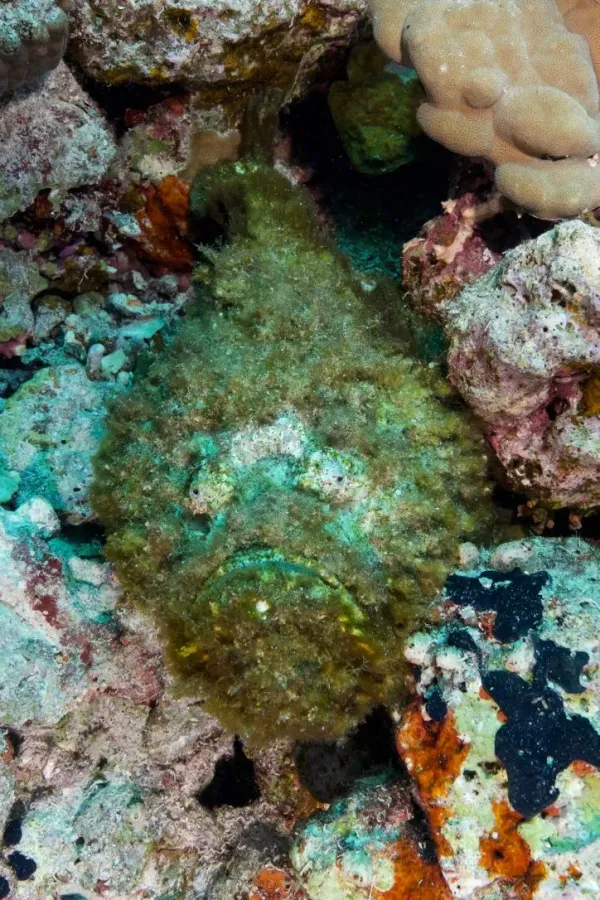
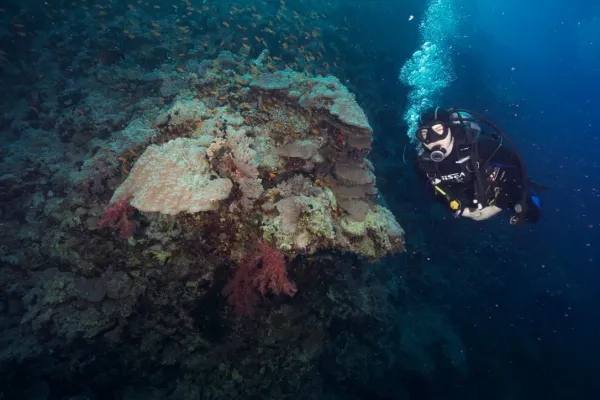
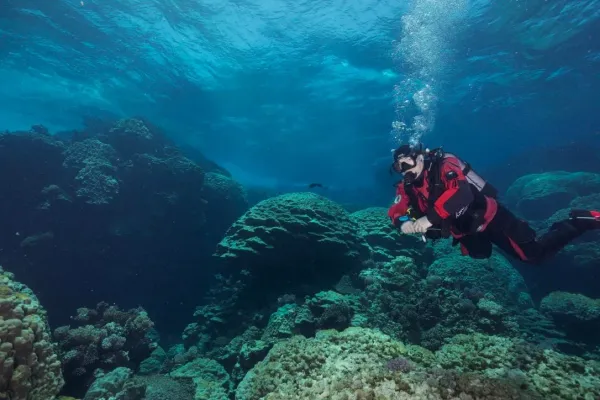
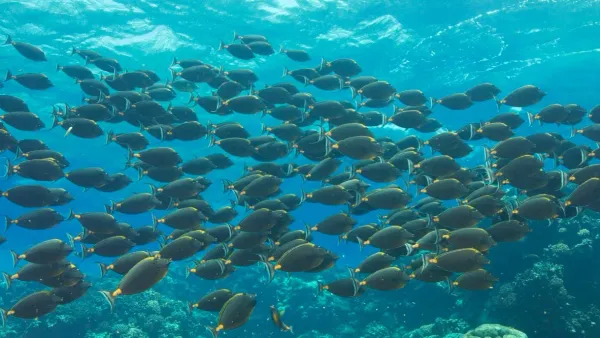
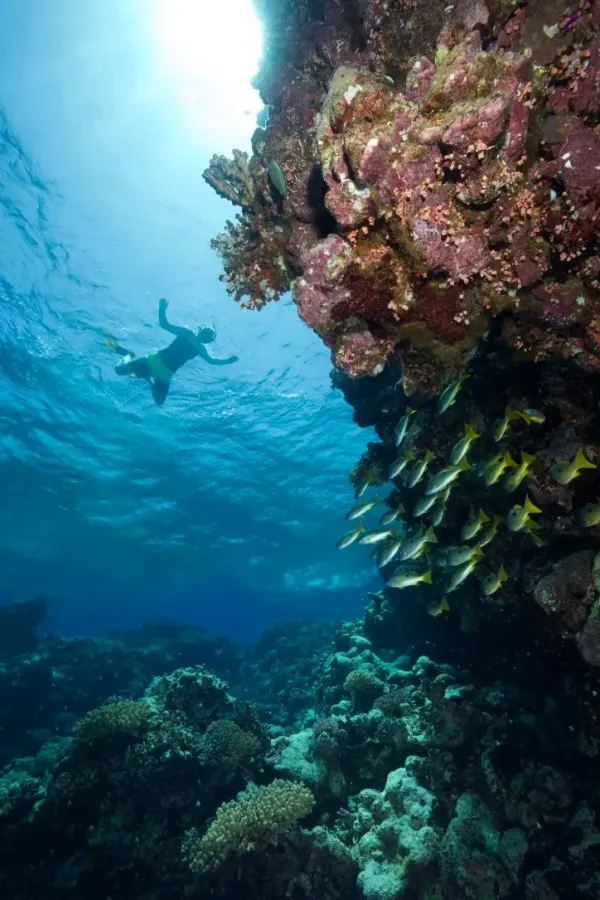
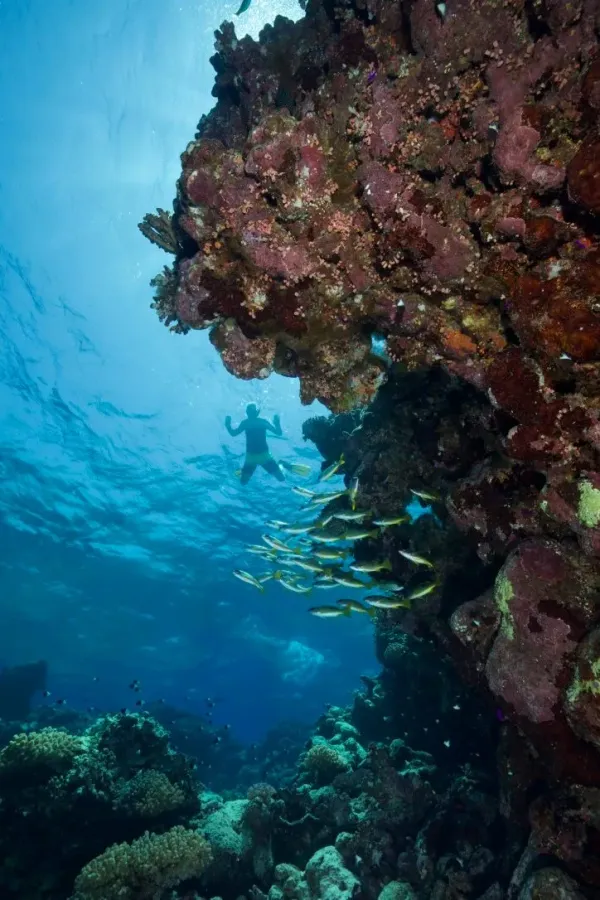
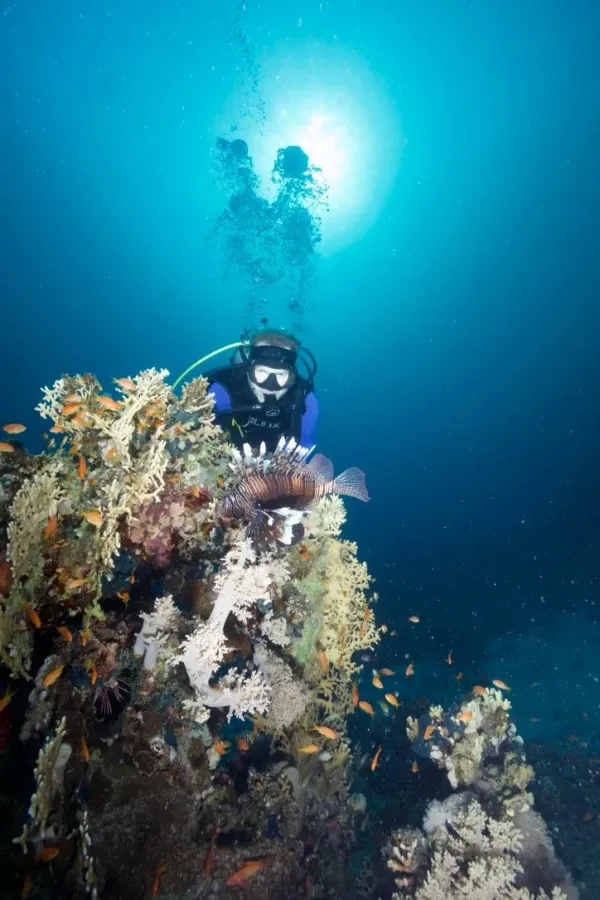
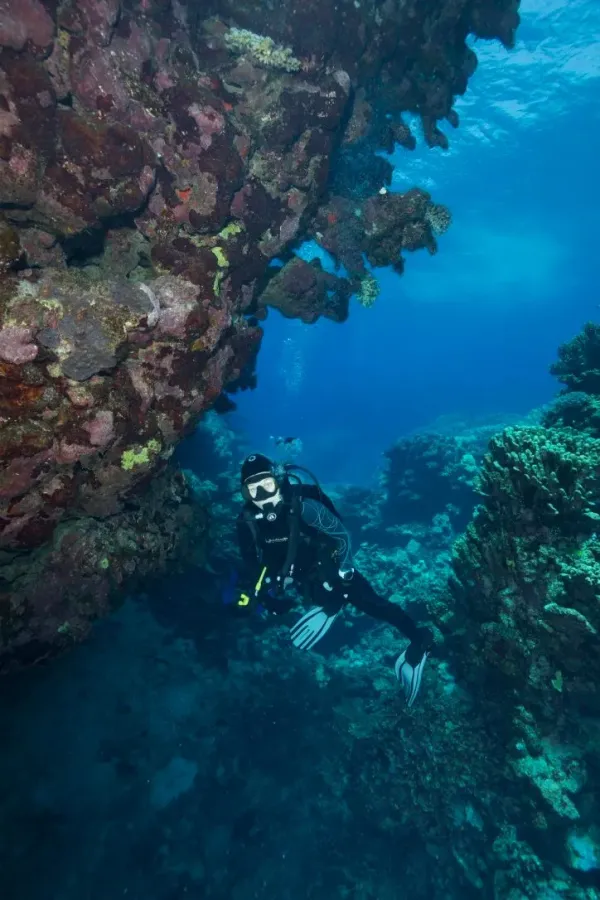
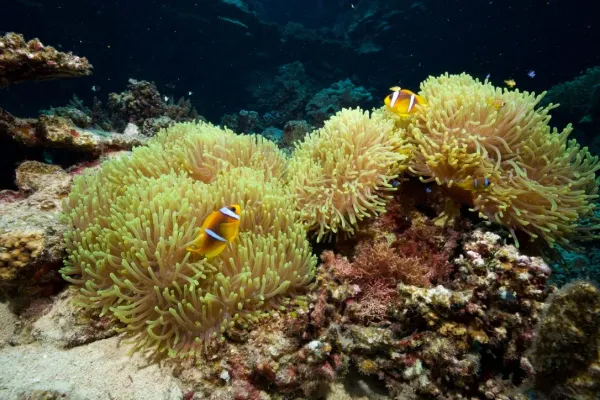
First, silhouettes of hammerhead sharks emerged from the blue — an entire school, calm and majestic, holding their course through the water column. Their hammer-shaped heads swayed in rhythm with their movement, and the sight was breathtaking even through the regulator. Then, turning along the reef wall, we spotted a manta ray — enormous, wings spread wide, gliding on the current like an underwater airship. Spotted eagle rays followed in its wake, while the reef around us pulsed with life: schools of fish, moray eels in the crevices, soft corals swaying in the flow.
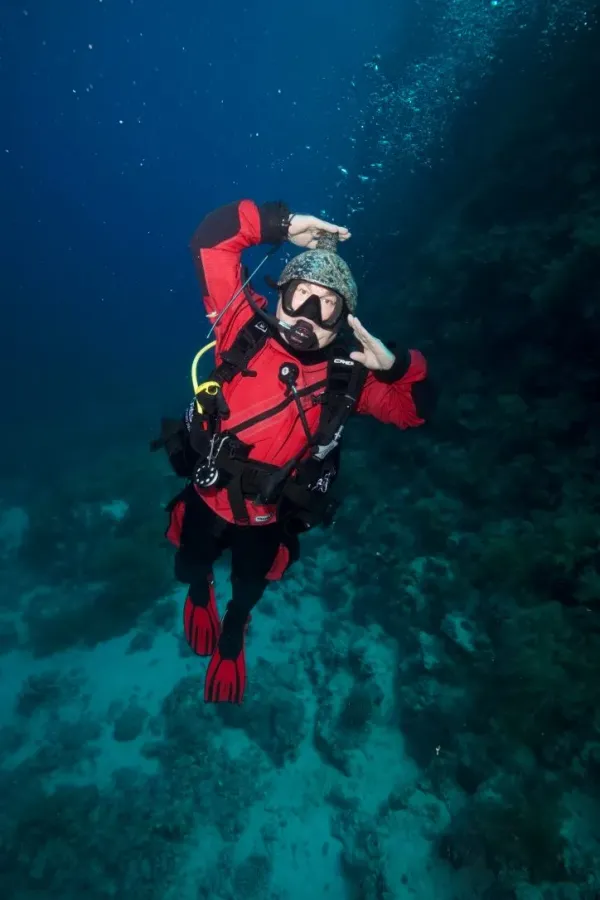
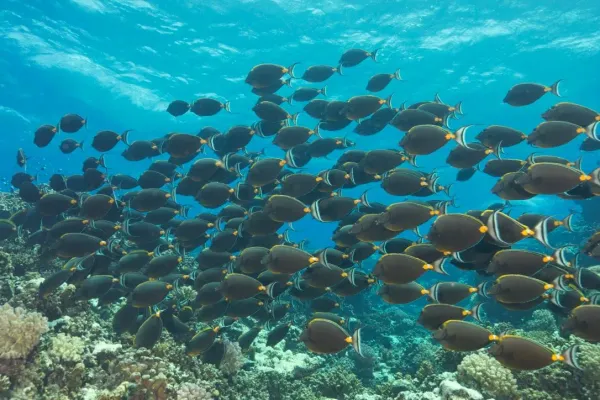
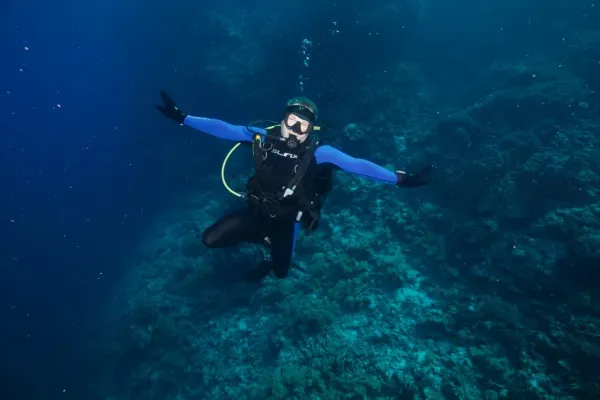
And not a single other diver. Not one. We were completely alone with this underwater theatre.
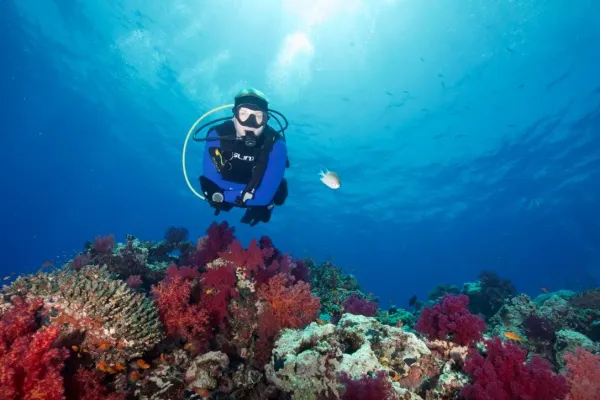
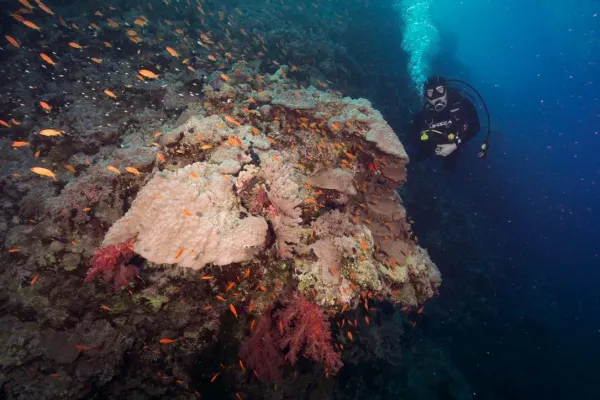
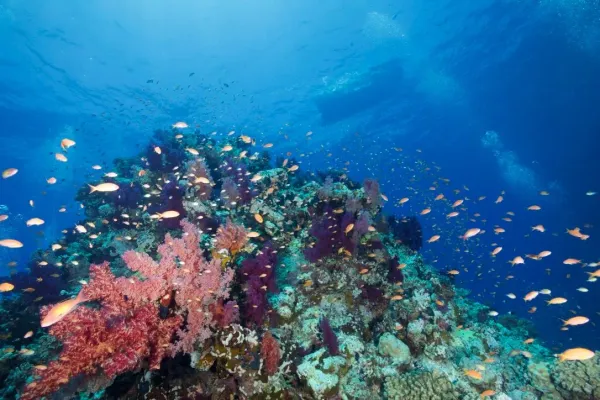
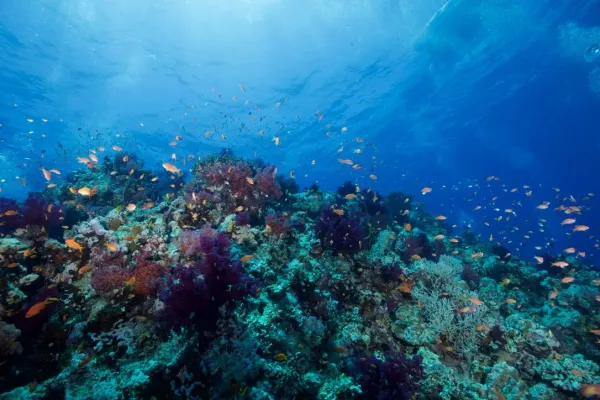
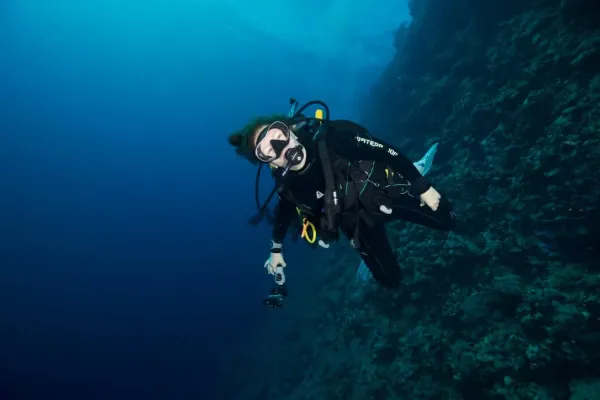
I surfaced a different person. The scepticism I had been carrying around for years dissolved in a single dive. The Red Sea hadn't gone anywhere. It is still magnificent. You just needed to find the right time, the right boat, and the right approach.
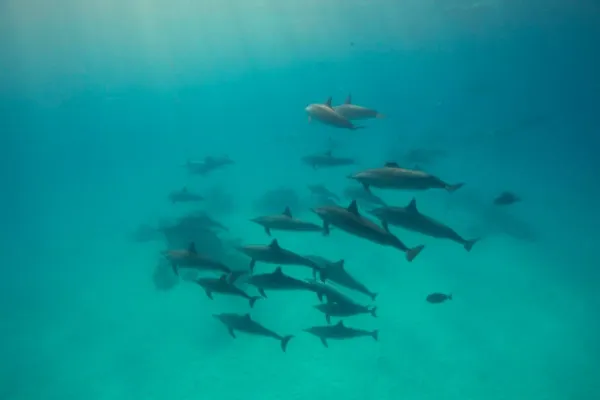
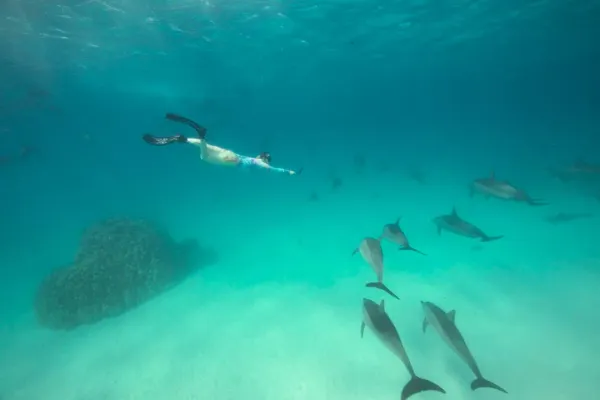
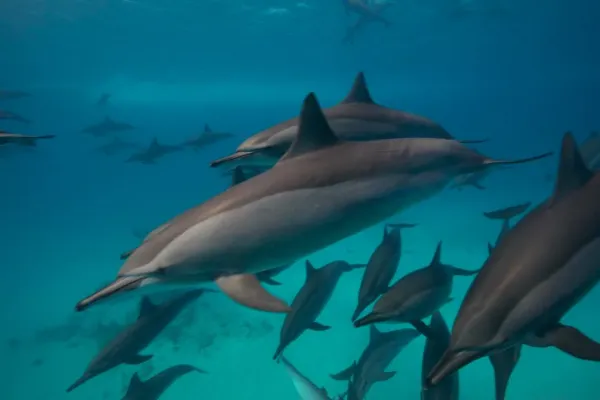
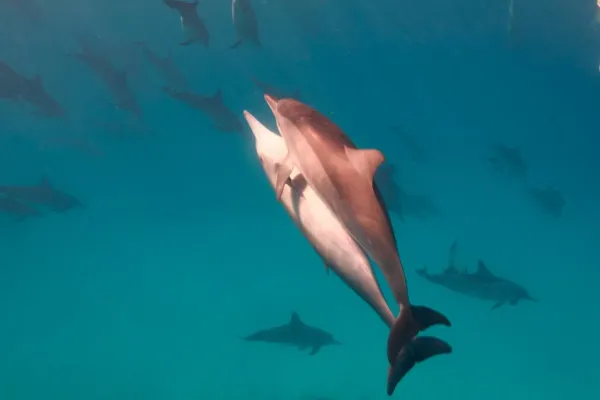
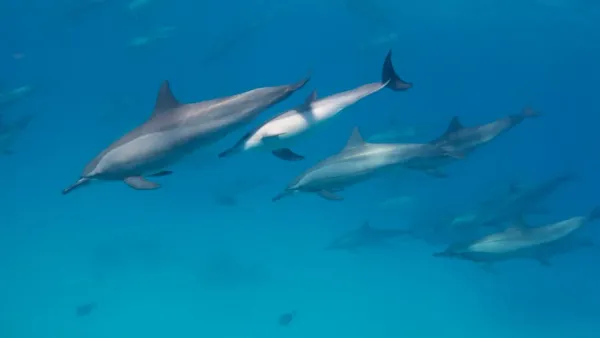
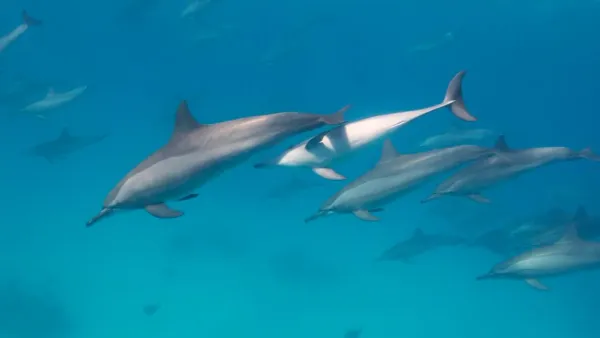
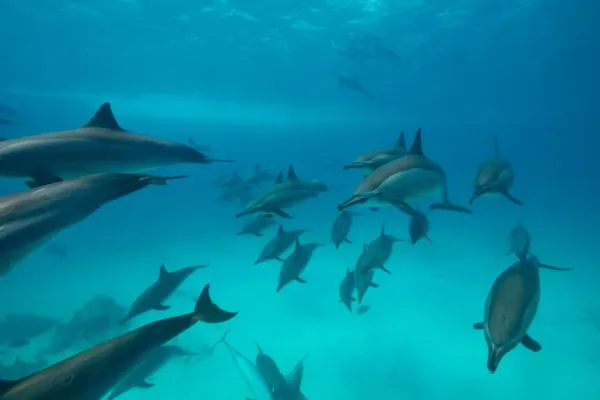
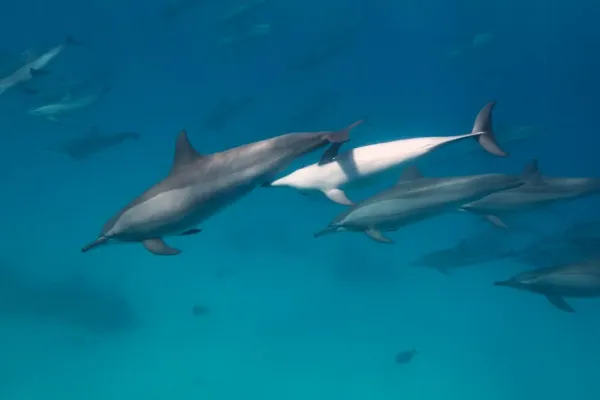
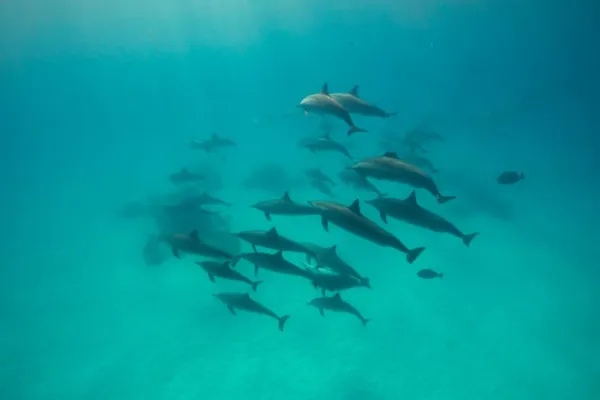
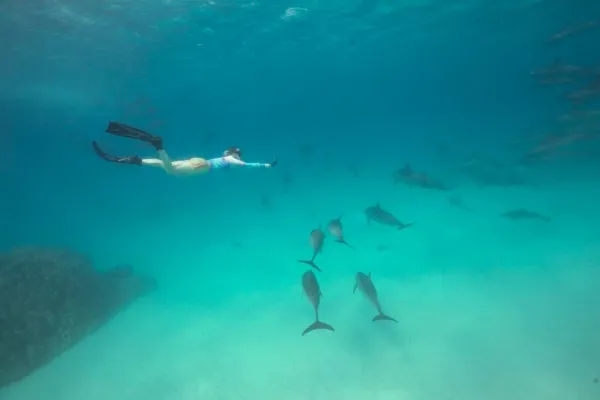
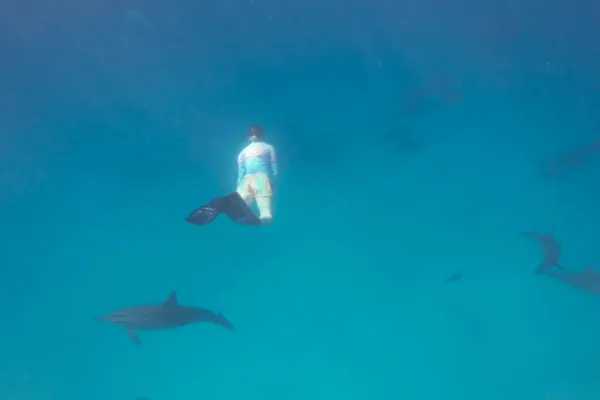
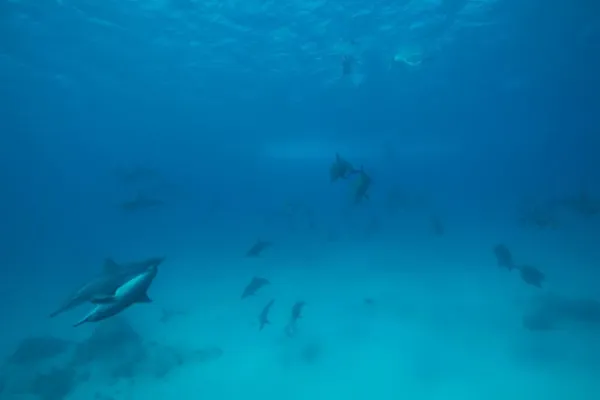
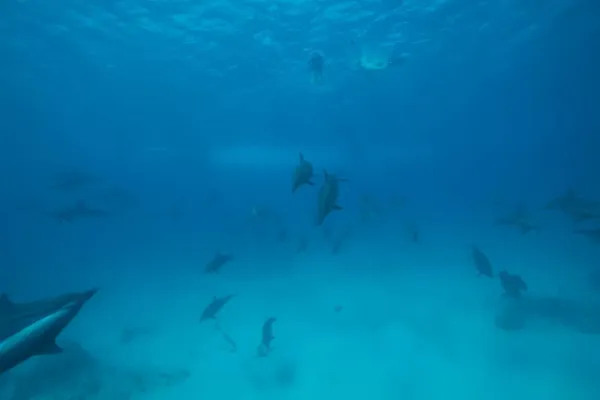
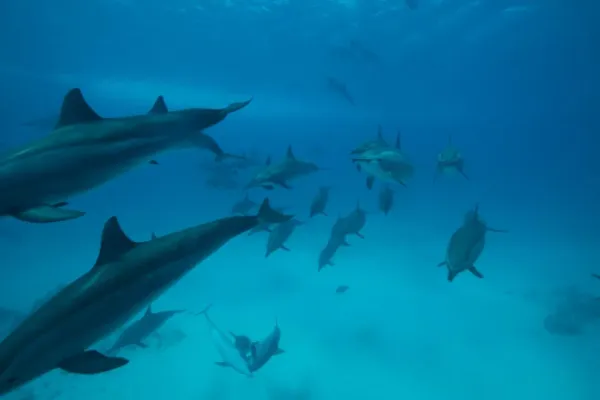
After Daedalus we moved on to Fury Shoals — a place known for its resident pod of dolphins. I expected them to appear for a minute or two and then move on, as usually happens. But the dolphins of Fury Shoals were different — sociable, curious, genuinely friendly.
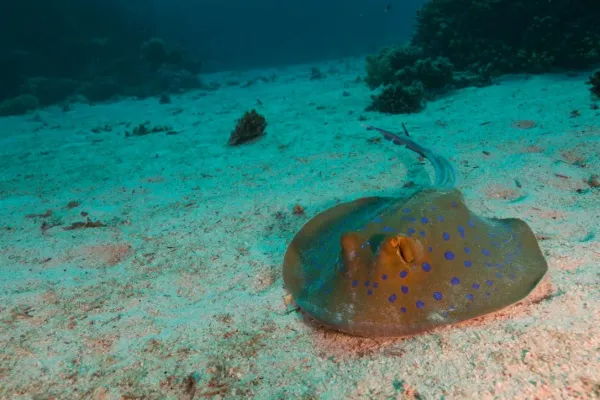
They swam right up to us, peered into our masks, circled around us, inviting us to play. We swam with them until we were exhausted. The dolphins were ready to keep going — we were the ones who gave out. I remember the feeling: hanging in the water, breathing hard, while a smooth grey body glides past and a bright eye watches you with an expression that seems to ask: "Is that it? Lightweights."
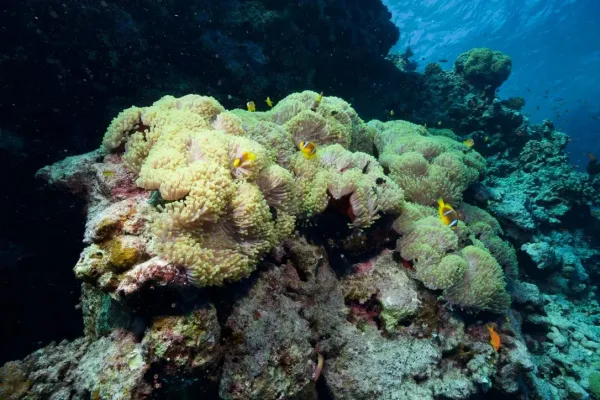
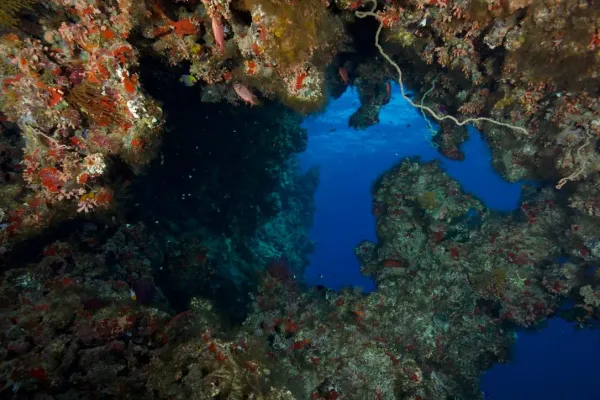
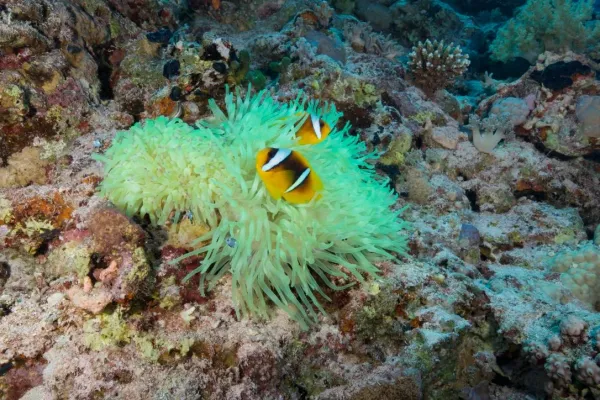
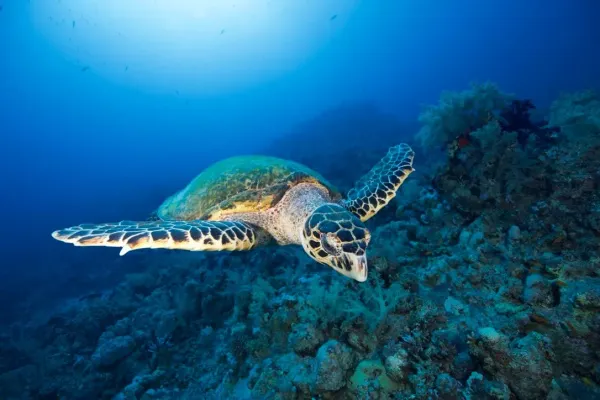
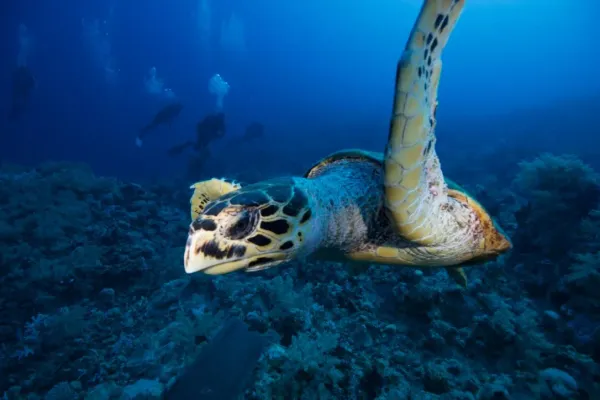
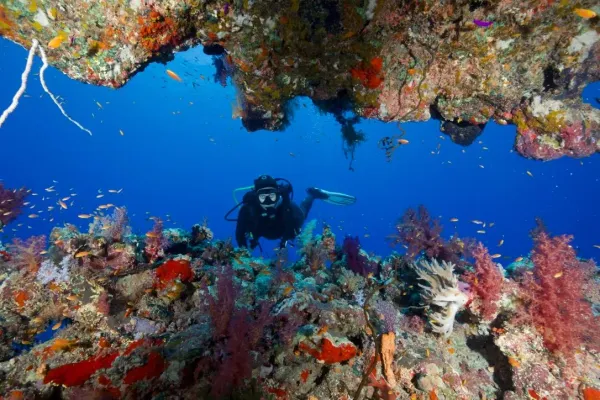
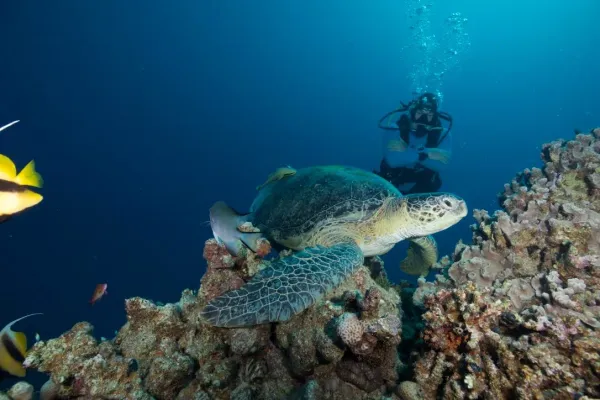
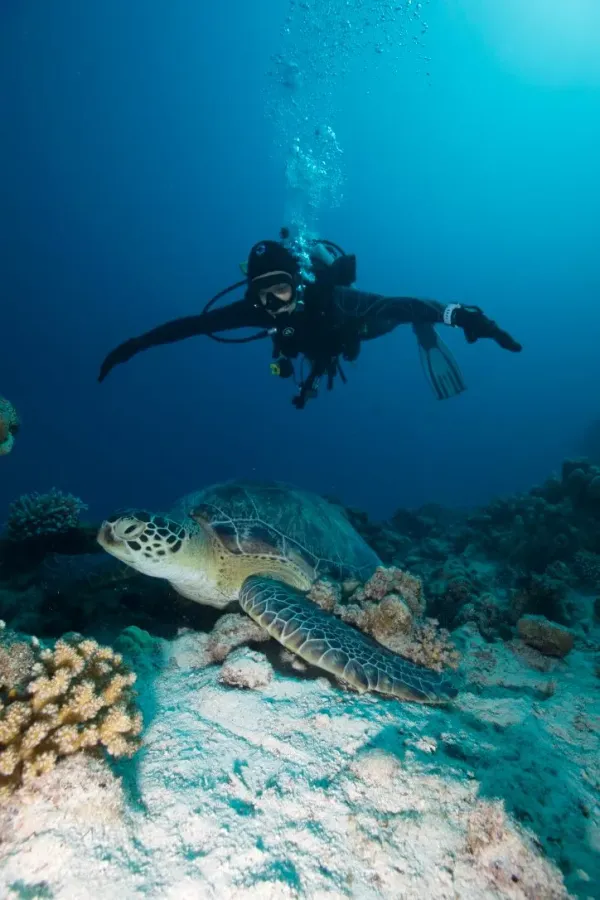
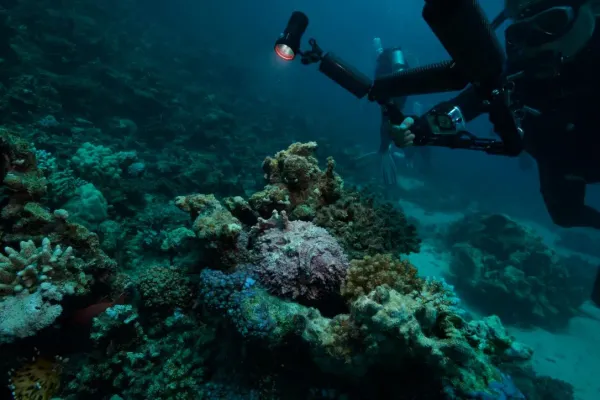
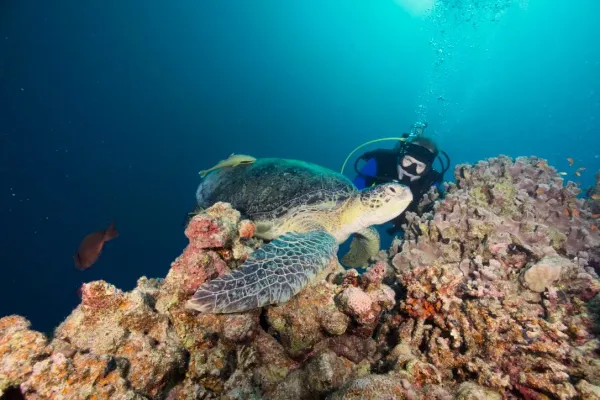
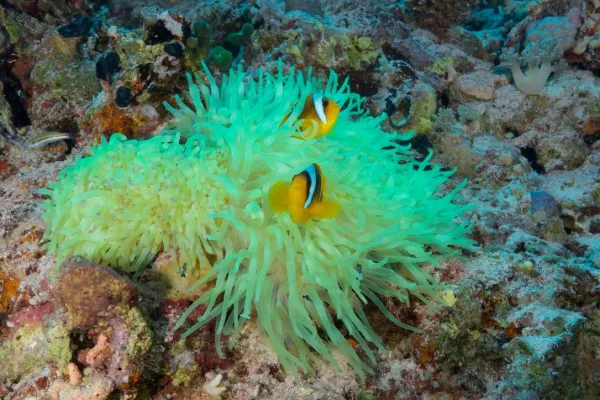
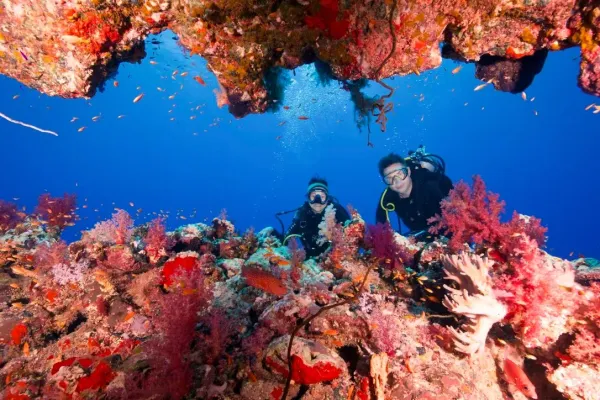
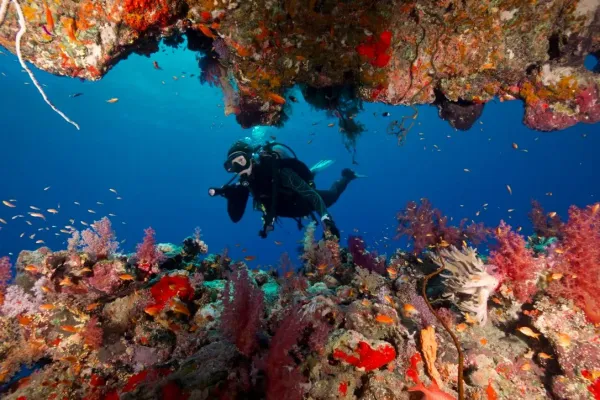
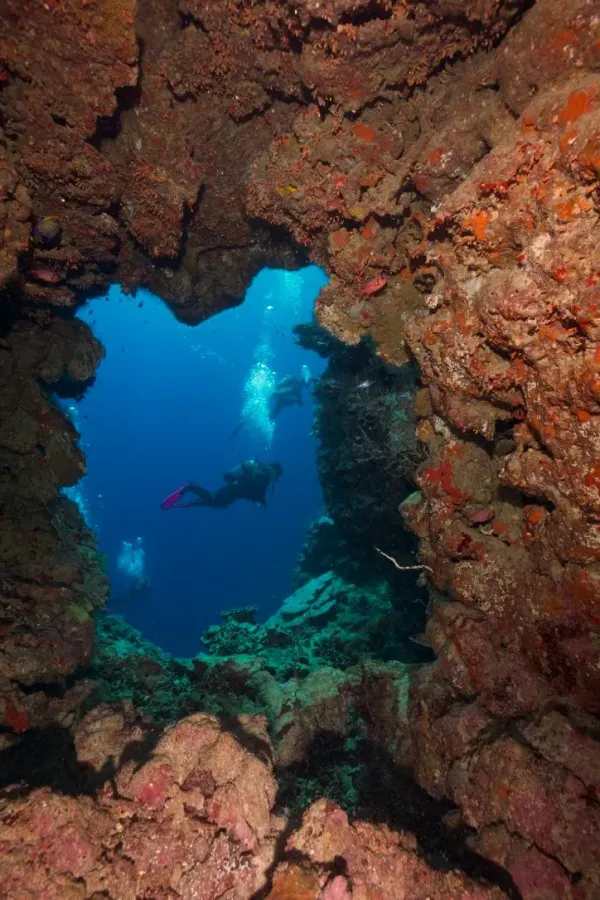
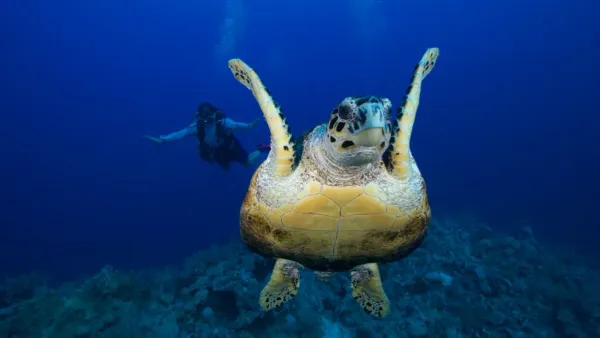
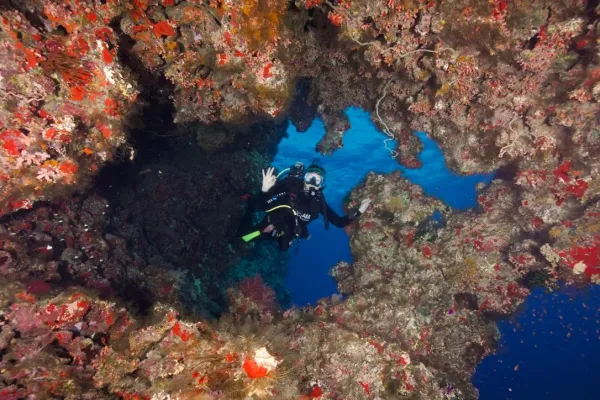
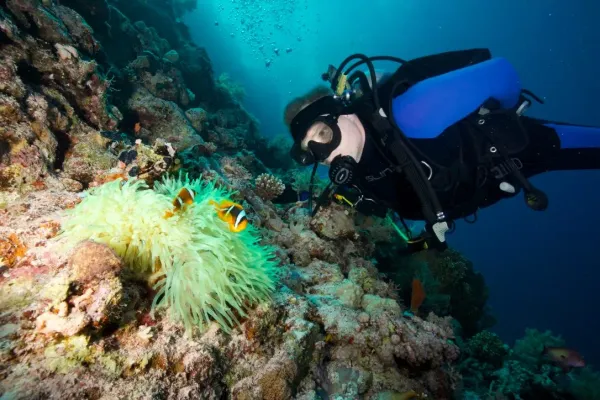
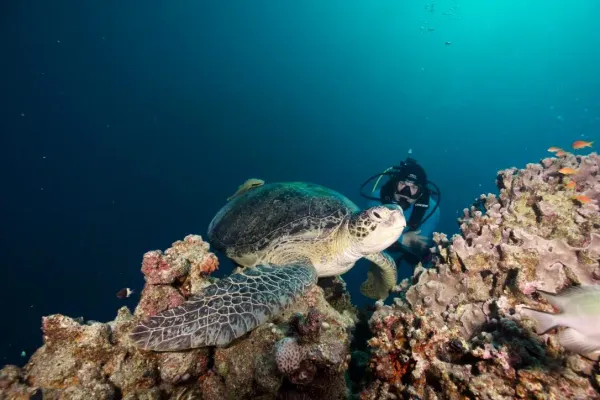
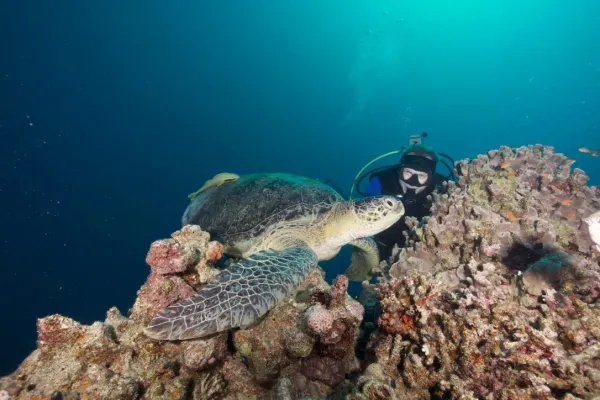
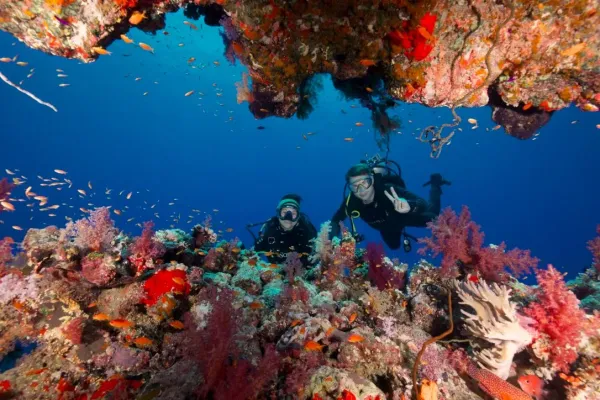
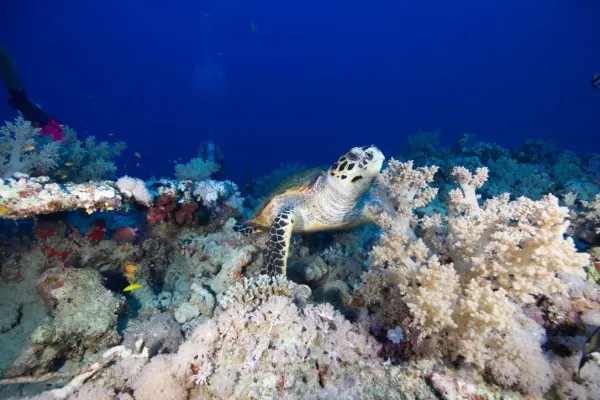
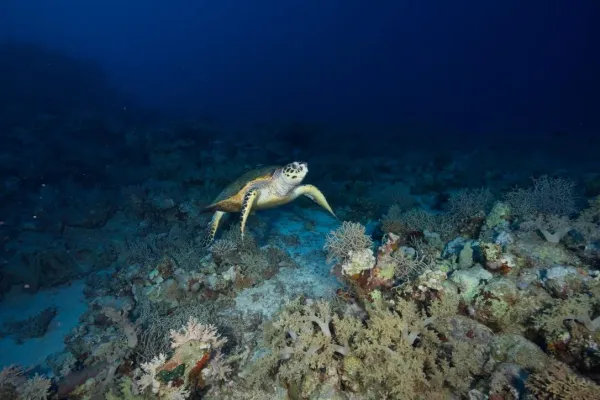
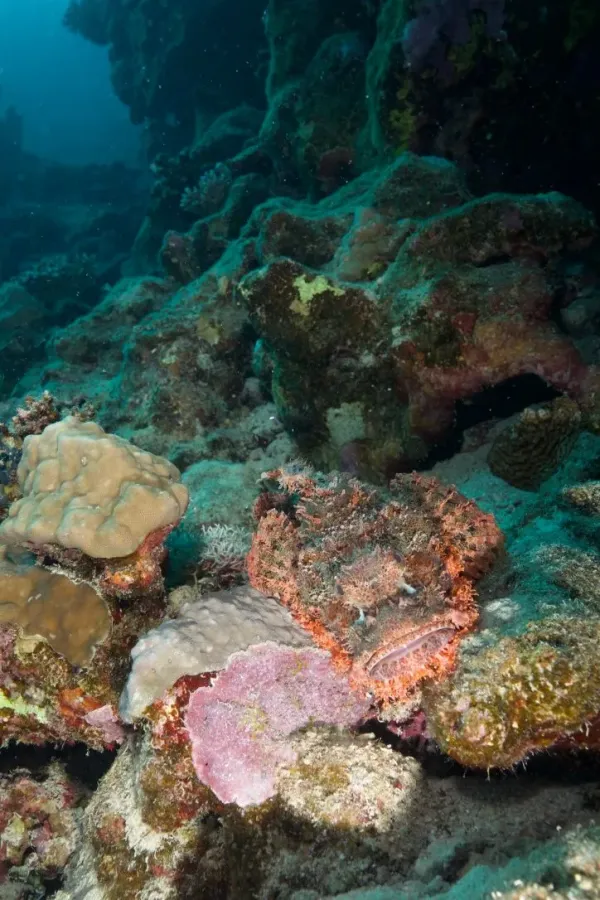
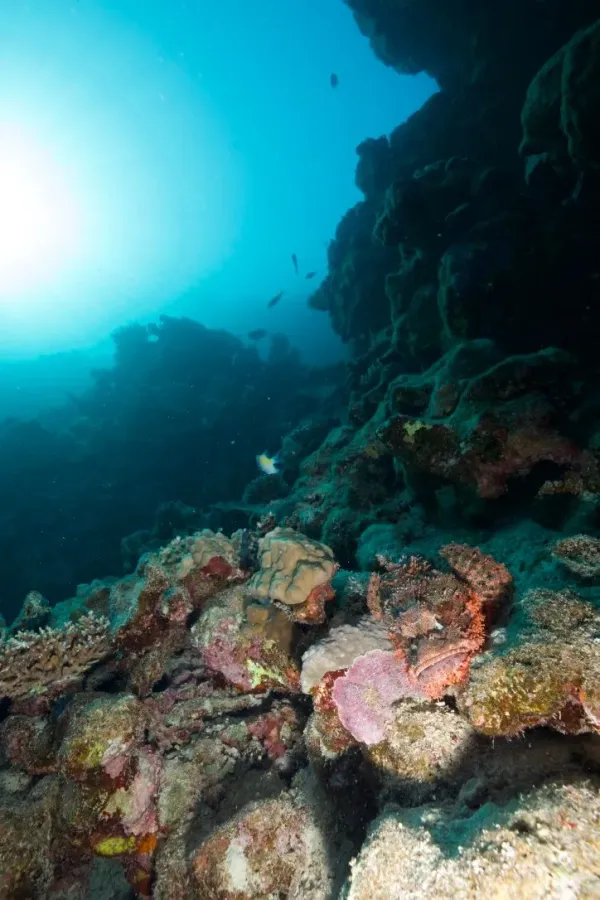
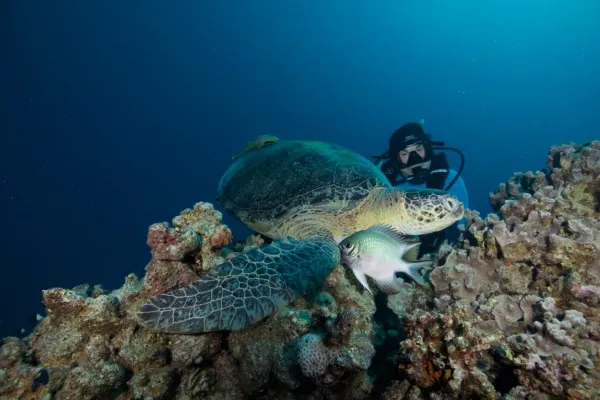
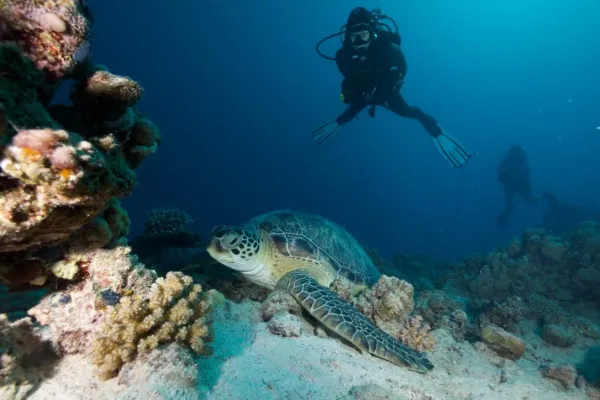
On the way back we anchored near Abu Dabab and made a few final dives in the coastal bays. Here we were met by giant green sea turtles — unhurried as sages, allowing us to come close and examine every scale on their shells. We explored reef caves, admired the macro life, enjoyed the warm clear water and that blissful sense you get when a journey is not yet over but you already know it has been a success.
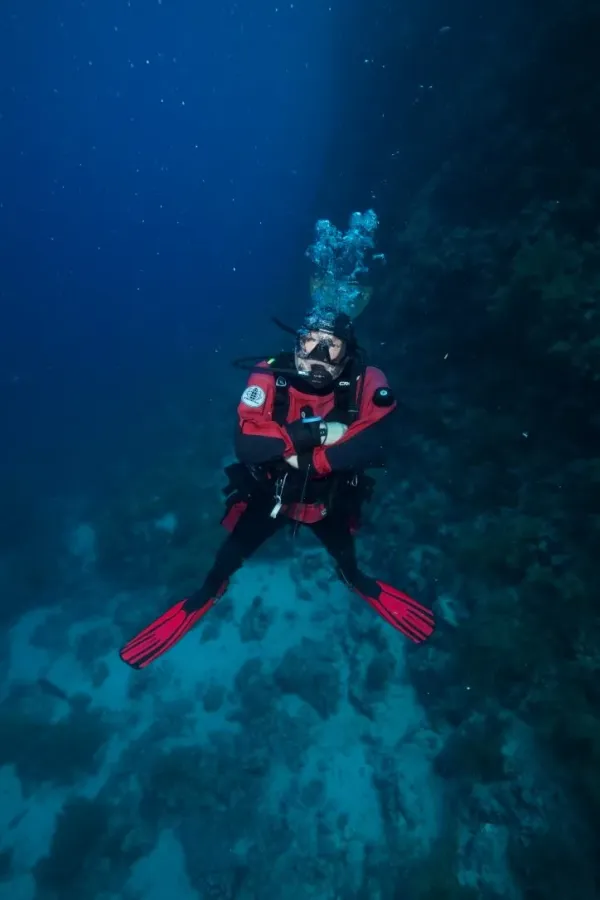
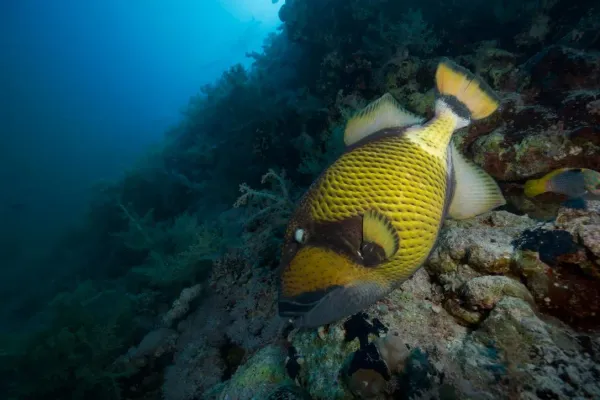
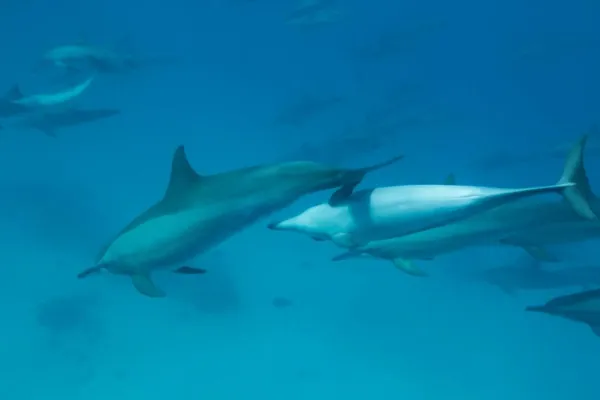
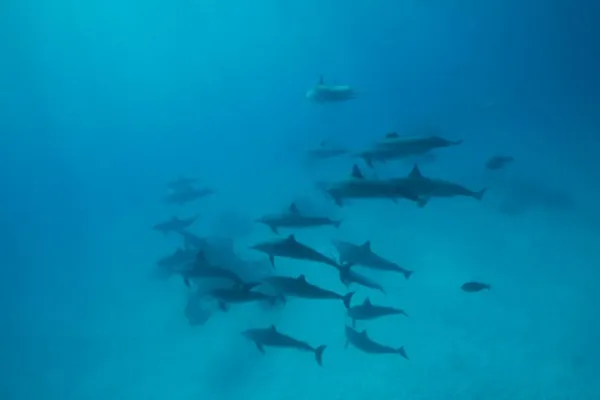
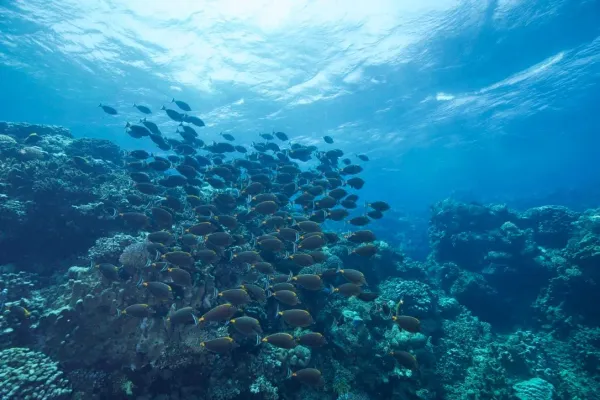
The whole safari flew by in a single breath. You inhale — and the carousel is already spinning: reefs, sharks, dolphins, sunsets on the deck, the steward's tricks, laughter over dinner, late-night conversations under the stars. The boat's crew literally carried us through the entire trip — so carefully and professionally that there wasn't a single gap through which disappointment could have crept in.
This was one of those rare times when we left tips not out of obligation, but out of genuine gratitude. The group put together a shared envelope, but that felt like not enough — almost everyone quietly, privately, pressed bills into the pockets of the steward, the dive guide, the captain. Not because that's what you do. Because there was no other way to say thank you.
When we disembarked in Hurghada, nobody said goodbye. Everyone said "see you soon." Right there on the dock, before we'd even boarded the transfer bus, we made a pact: we're coming back. Next year. Same boat. Maybe a slightly different route — to see what we missed this time.
And we've already planned that journey. In June of twenty-six we're flying to Egypt again, back on the Red Sea Explorer.
The Egypt I had turned away from for years won me back in a single week. It turned out the problem was never the country or the sea. It was about how you approach that sea — with whom, on what, and at what moment. The Red Sea was waiting. It's still waiting. You just need to choose the right boat.