You cannot arrive in Antarctica. You can only travel to it — and only four months a year.
The seventh continent has no city, no airport with scheduled flights, no hotel. A territory larger than Europe belongs to nobody: under the Antarctic Treaty of 1959 there are no states here, no borders and no visas.
Yet anyone can go. Around a hundred thousand travellers do it every season, and almost all of them the same way.
Let’s take it in order: when, from where, on what, for how much, and what actually happens for that money.
When
The Antarctic season runs from November to March. That is the southern summer: polar daylight, temperatures on the peninsula between 0 and +5, and enough open water for a ship to reach the shore.
The rest of the year the continent is closed: the sea freezes, the light goes, ships do not sail.
Within the season, the months differ noticeably.
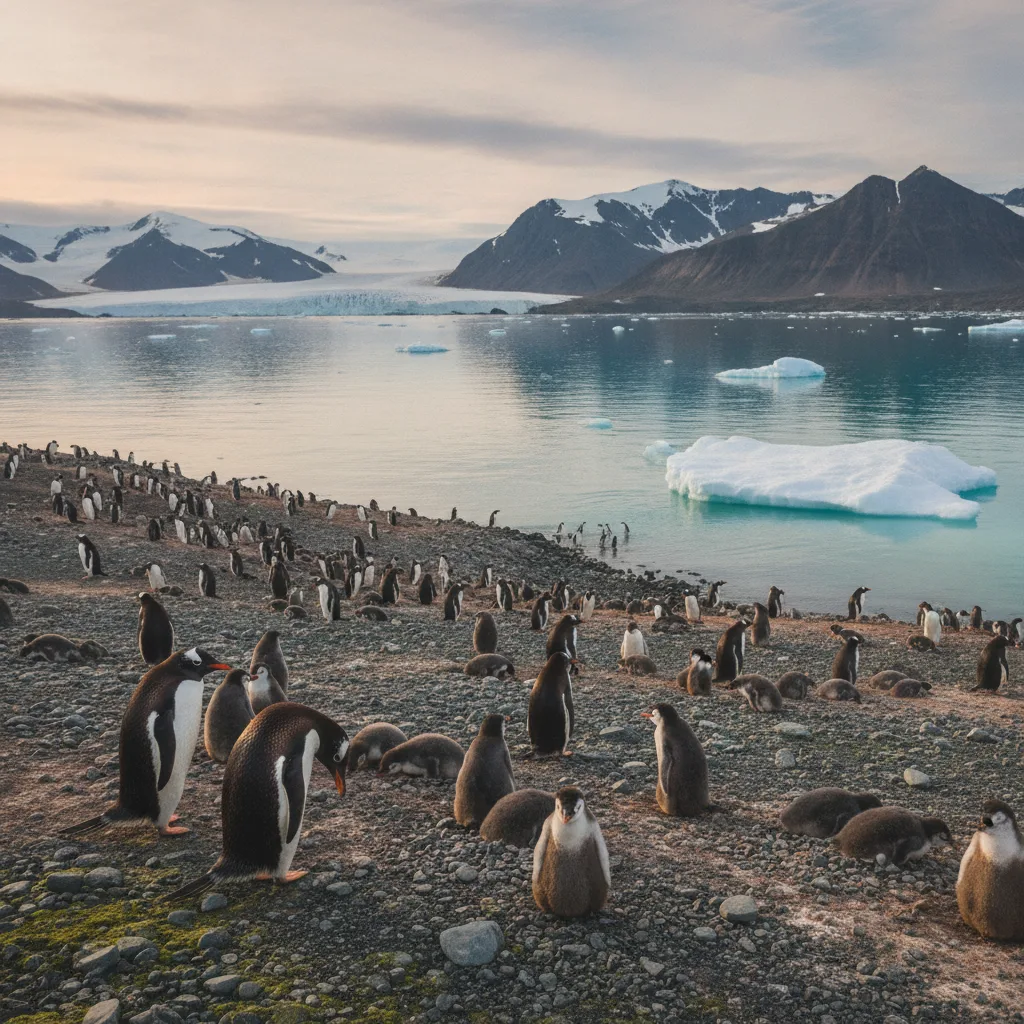
November — the beginning. Maximum ice for the whole season, icebergs not yet worn down by water, looking as though they were carved yesterday. Penguins are building nests and stealing pebbles from one another — the best time to watch their social dramas. Snow on the shores is untouched, without the marks of the colonies.
December and January — the peak. Warm by Antarctic standards, daylight almost round the clock, penguin chicks hatching. Maximum landings, maximum activity, maximum people and maximum prices. New Year below the Antarctic Circle is a story of its own: at midnight the sun sits above the horizon.
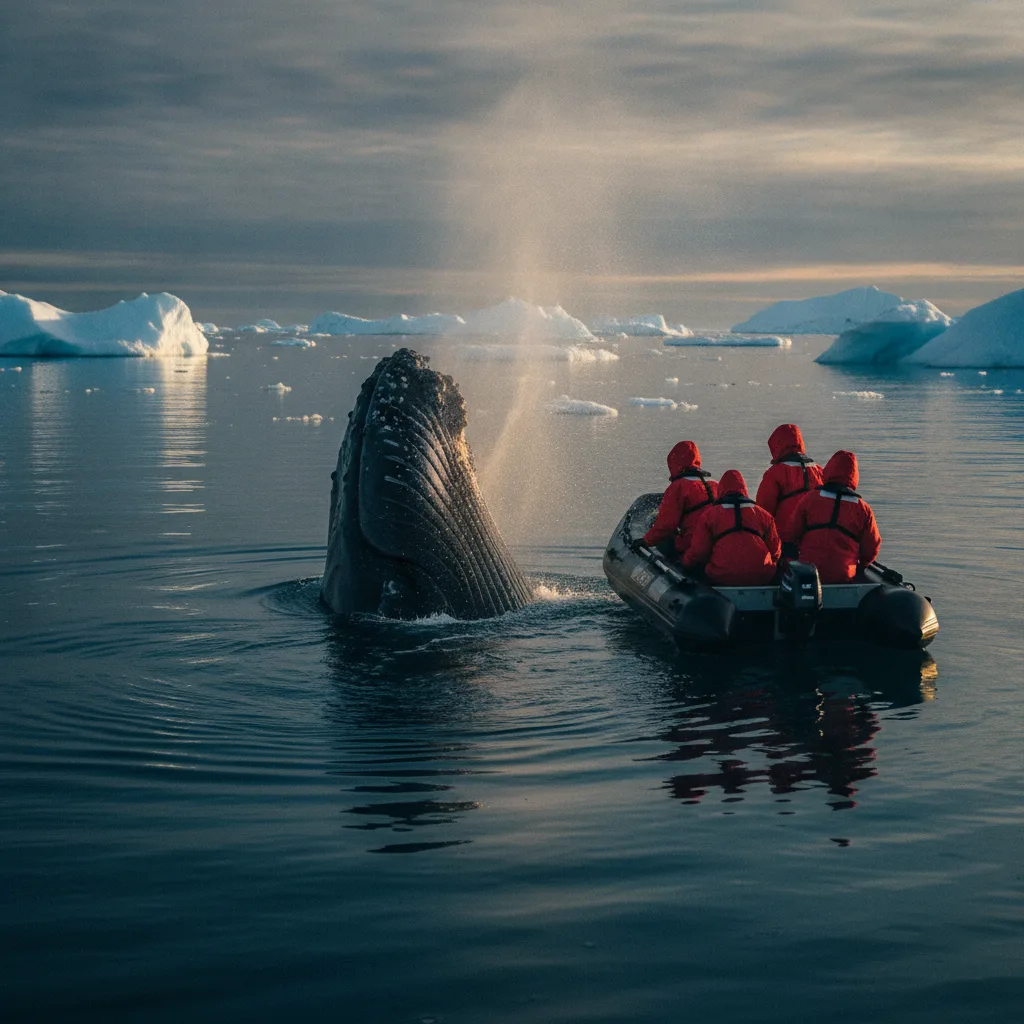
February and March — whale time. Chicks have grown and are learning to swim, the colonies are at full volume. Enough krill has built up over the summer that whales feed right beside the ship — humpbacks, fin whales, minkes. February and March are considered the best time for whale watching and for kayaking: less ice, open channels.
From where
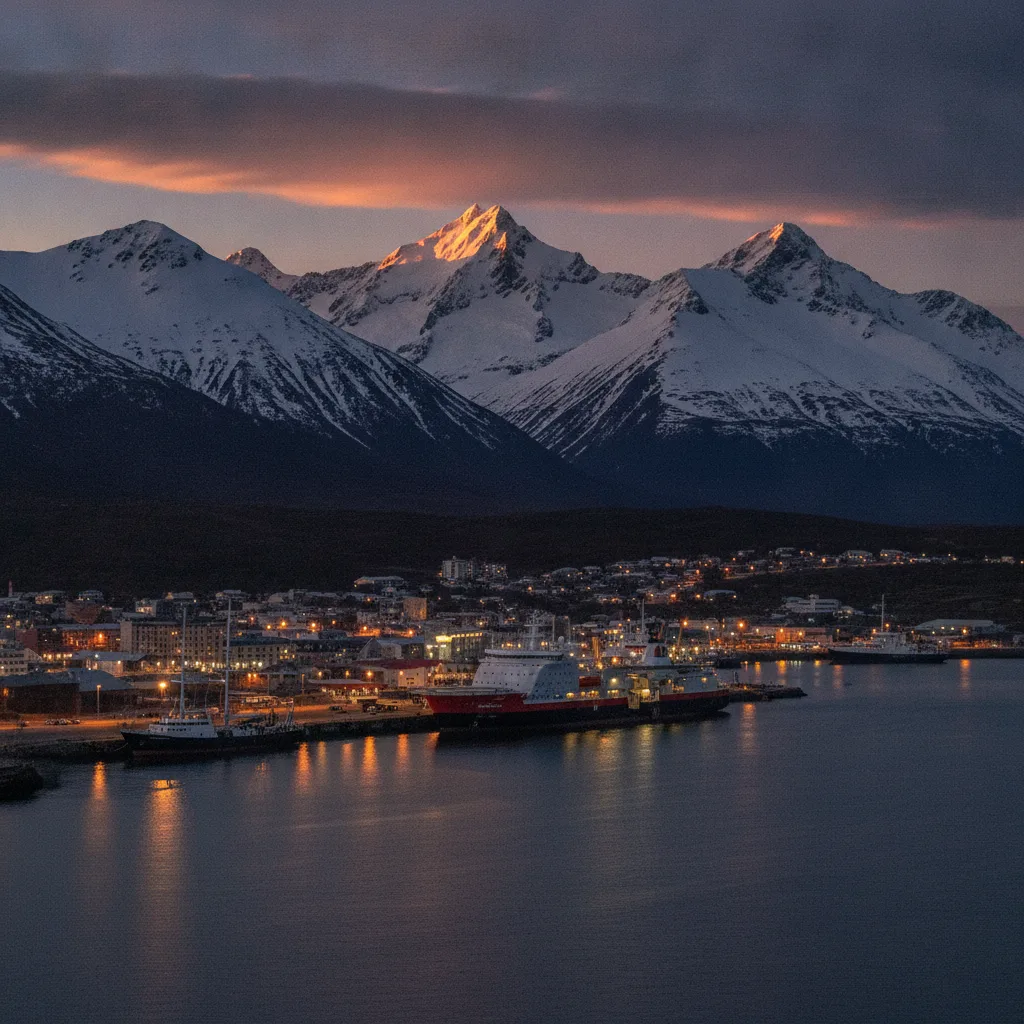
Almost every route begins in Ushuaia, the Argentinian town at the southern end of Tierra del Fuego and the southernmost city on the planet. From here the Antarctic Peninsula is closest: two days at sea across the Drake Passage.
Getting to Ushuaia means a long-haul flight to Buenos Aires and a domestic connection south. Around a full day of travel with two or three connections.
One rule saves a great deal of stress: arrive in Ushuaia at least a day before boarding. The ship does not wait, and South American domestic flights are delayed regularly. A night in a hotel costs incomparably less than a missed expedition.
The second starting point is Punta Arenas in Chile, with flights to King George Island. A two-hour flight instead of two days at sea.
On what
Here is the key difference, and it rarely appears in brochure copy.
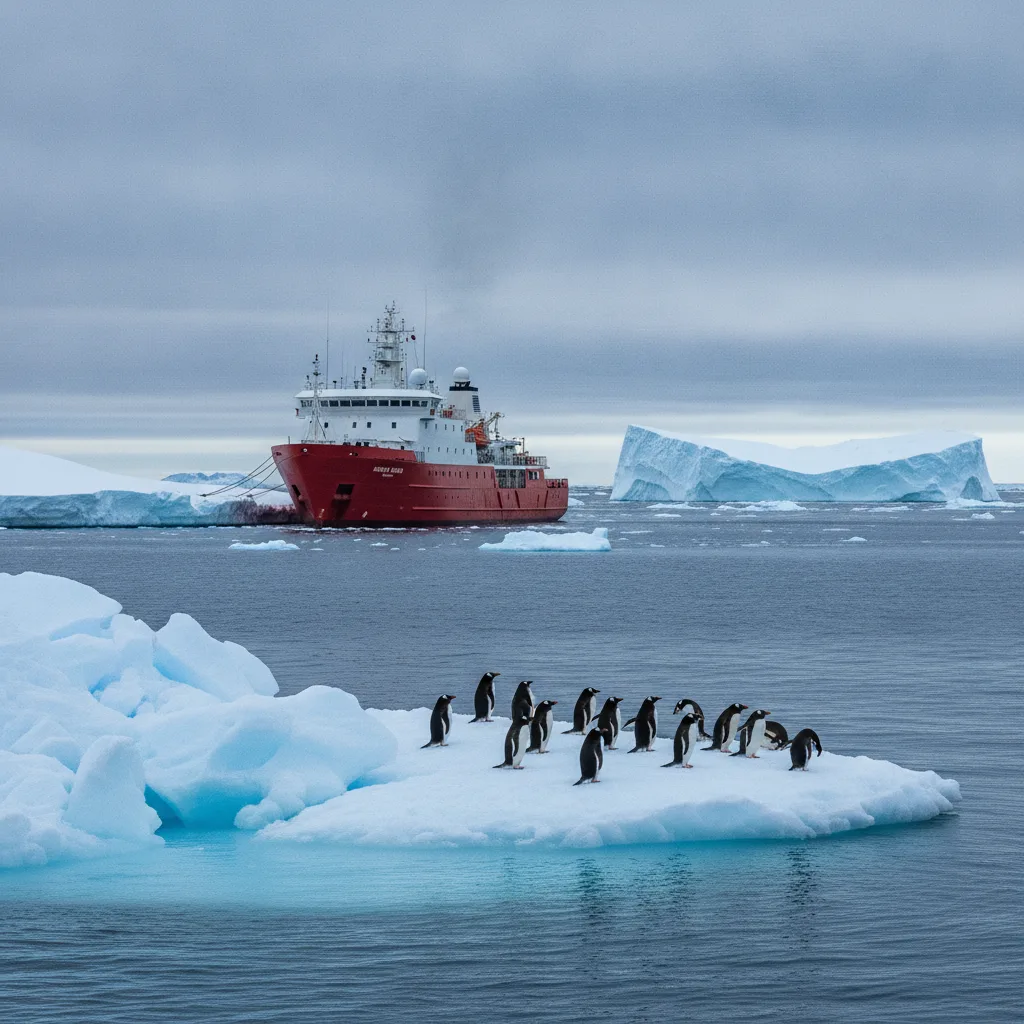
IAATO, the association of Antarctic operators, sets one decisive rule: no more than 100 people may be ashore at any one time. And ships carrying more than 500 passengers make no landings at all — they are permitted only to sail past.
The arithmetic follows.
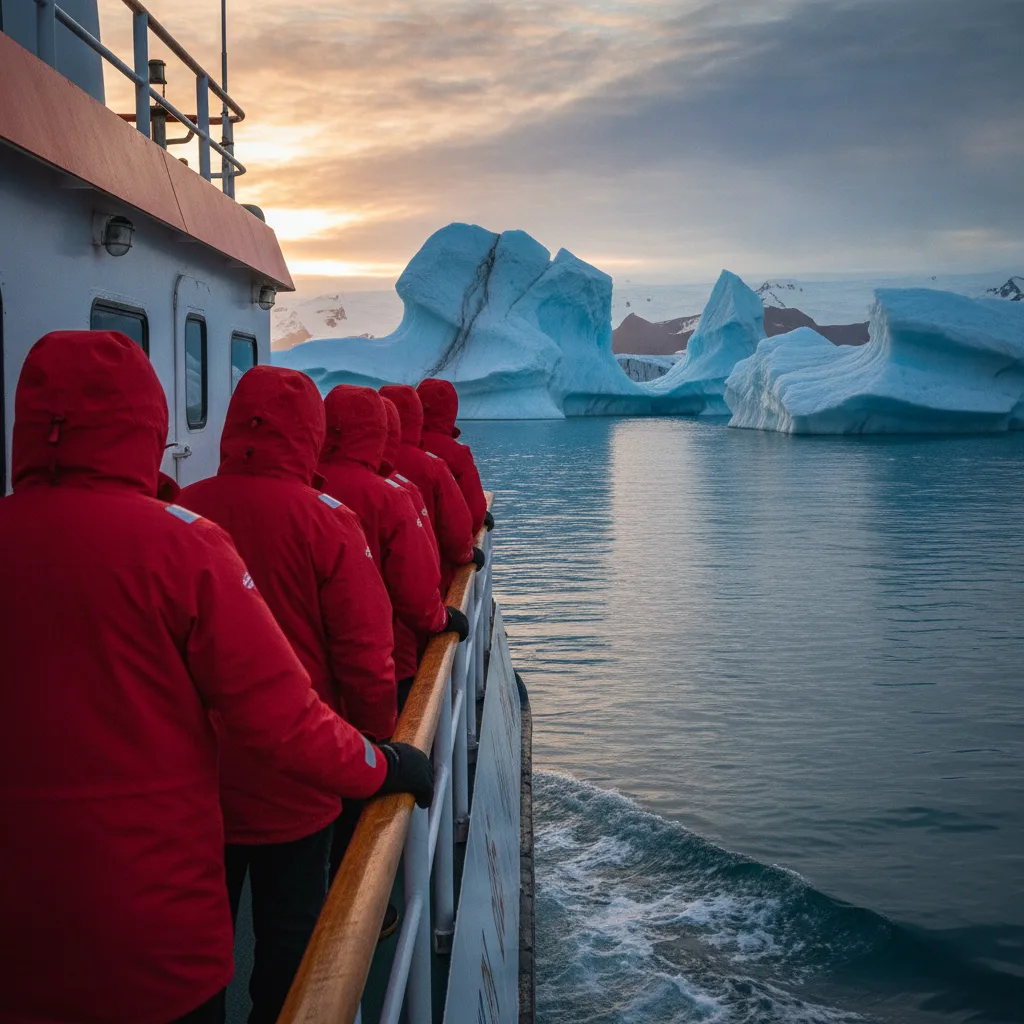
A ship for 100–200 people — the classic expedition. Everyone goes ashore, simply in two shifts. Two landings a day. This is what people come for.
A ship for 200–500 people — landings happen, but the queue is longer and time ashore is shorter; part of the day goes on waiting for your turn.
A liner for 500+ — Antarctica through a window. Beautiful, comfortable, cheaper per day. But your feet never touch the continent.
If the goal is to see Antarctica up close, the ship must be small. That is the first thing to check in any offer.
How much
Price ranges for the 2026–2027 Antarctic season:
| Format | Per person |
|---|---|
| Berth in a shared cabin, older vessel, 10–11 days | from €8,000–9,000 |
| Twin cabin, classic peninsula expedition | €12,000–18,000 |
| Balcony cabin, newer ship | €18,000–25,000 |
| Suite, premium vessels | from €25,000 |
| Long route with South Georgia and the Falklands, 18–22 days | from €20,000 |
| Fly-cruise instead of the sea crossing, 6–8 days | from €12,000 |
Our programmes this season: Peninsula and Weddell Sea — 16 days, €22,575; New Year on Scenic Eclipse — 13 days, €19,765; In the Wake of Charcot — 13 days, €14,895.
The spread is not operator greed but physics: every ice-class ship with two weeks of autonomy and a team of expedition guides aboard is a one-off, and the season lasts four months a year.
What the price includes
Usually included:
- The cabin category you choose
- All meals aboard, tea and coffee, often wine and beer with dinner
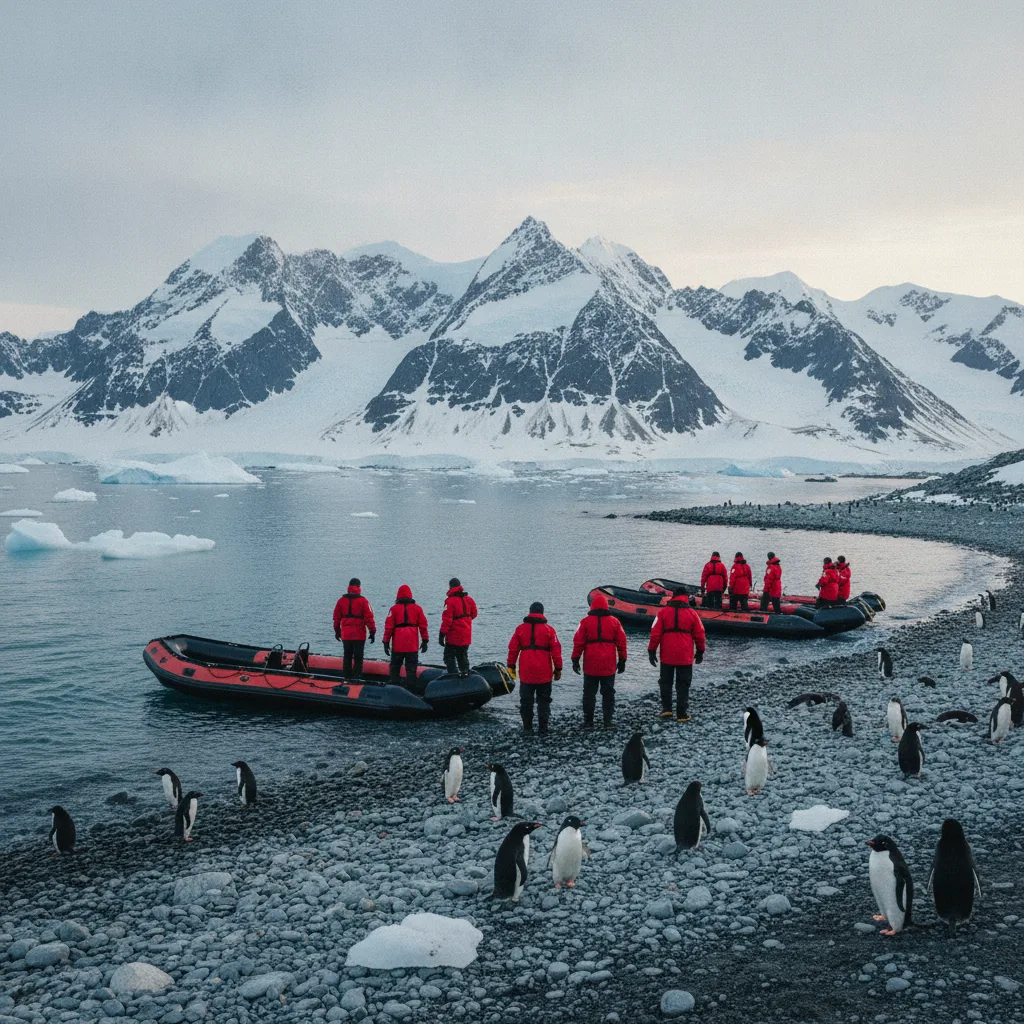
- All zodiac landings — two a day in good weather
- An expedition parka, which is yours to keep
- Rubber boots for landings
- Lectures by biologists, glaciologists, ornithologists and historians — on Antarctic ships this is a full science programme
- Port fees
Usually not included:
- Flights to Ushuaia and back — budget for these separately
- A hotel night before boarding
- Insurance — mandatory, and not ordinary travel cover. You need medical evacuation cover from $200,000, because that is what evacuation from Antarctica costs
- Extra activities — kayaking, camping overnight on the continent, diving, photography workshops. €200 to €1,500 per option
- Crew gratuities — $12–15 per person per day, the industry norm
When to book
Nine to twelve months ahead. This is not a sales tactic.
Berths are physically scarce: there are only a few dozen small ships in Antarctica, the season is short, and good cabins on New Year departures go almost a year out. Early bookings usually run 10–20% cheaper, and by the season only expensive categories or shared cabins remain.
The opposite logic — last-minute deals a month before departure — rarely applies here.
Do you need special preparation
No. An Antarctic expedition is not an athletic event.
You need basic mobility: down a gangway into a zodiac, out onto a rocky beach, a couple of kilometres on foot over snow. Passengers on these ships range from 8 to 80, and the eighty-year-olds are more common than you would think.
Clothing is layered: base layer, fleece, waterproof trousers, parka from the ship. The essentials are waterproof trousers and gloves — a zodiac means spray, and wet hands ruin a day faster than cold.
For the sea leg and how people get through it, see the article on the Drake Passage.
What you will actually see
Three penguin species on the peninsula: gentoo, Adélie and chinstrap. Colonies of several thousand birds that you smell long before they come into view.
Seals — crabeater, Weddell, leopard — draped across ice floes in postures that suggest no concern whatsoever about a passing ship.
Whales, which in February come to the zodiacs of their own accord.
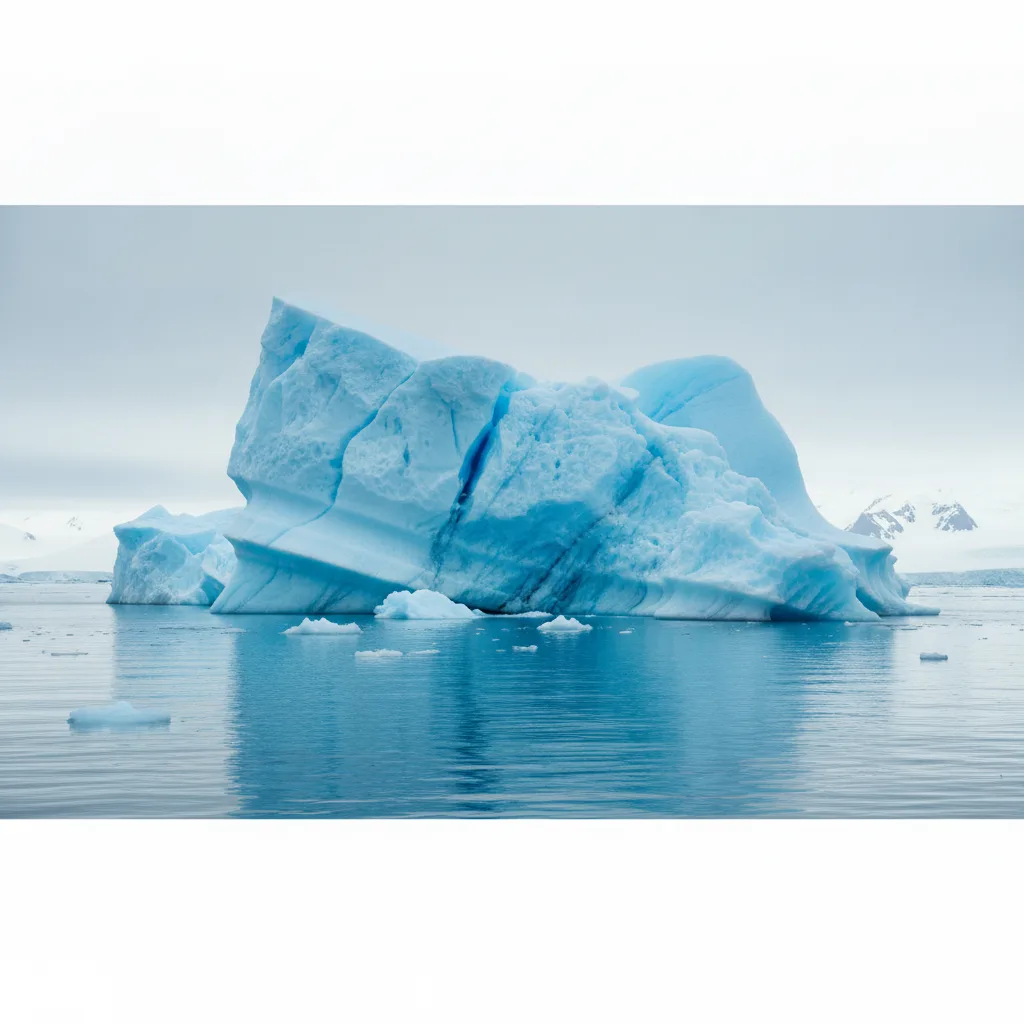
Icebergs the size of a city block, veined turquoise with ice compressed over thousands of years.
And a silence that simply does not exist in the inhabited world: no engines, no aircraft, no people, no wind — only ice cracking and birds calling a couple of kilometres away, as clearly as if they were beside you.
That is what the two-day crossing buys.